Liveaboard etiquette is the set of small habits that make a shared boat a happy one. On a Komodo liveaboard, a dozen or more guests share the decks, the dining table, the fresh water and sometimes a cabin or a bathroom for three days, with a crew that lives and works on board around the clock. Nobody hands you a rulebook, but the guests who are remembered fondly all do the same simple things. Here are twelve tips for sharing a boat, whether it is your first trip or your tenth.
Every boat has its own customs, and the crew will explain the most important ones in the welcome briefing. When in doubt, ask: the crew and the guide would always rather answer a question than fix a misunderstanding later. Good etiquette on a boat is not about formality or fine manners; it is about making three days in a small, shared space easy for everyone.
In short
- Be on time for the tender, the walks and the meals.
- Save fresh water, keep shared spaces tidy and respect quiet hours.
- Follow the crew’s briefings, and treat the crew as hosts, not servants.
- Protect the reef and the wildlife, and be flexible when the weather changes the plan.
The table sums up the twelve tips at a glance. Each one is explained below, with the reason behind it.
| Tip | In one line |
|---|---|
| 1. Be on time | The tender, the climb and the tides do not wait |
| 2. Shoes off on deck | Keep the decks clean and safe, if the crew asks |
| 3. Save fresh water | Every litre is carried on board |
| 4. Keep shared spaces tidy | Towels, gear and cables in their place |
| 5. Respect quiet hours | Early risers need their sleep |
| 6. Share cabins and bathrooms kindly | Small courtesies make close quarters easy |
| 7. Ask before drones and photos | Noise and privacy matter on a small boat |
| 8. Listen to the briefings | Safety comes first |
| 9. Respect the crew | They are your hosts and the boat is their home |
| 10. Mind the reef and the wildlife | Look, do not touch |
| 11. Drink responsibly | Rules differ on each boat |
| 12. Be flexible and kind | The weather decides, and everyone is on holiday |
1. Be on time
Time is the first rule of liveaboard etiquette. A liveaboard day runs on a schedule shaped by the sun, the tides and the park. The climb up Padar starts in the dark to reach the viewpoint for sunrise, the dragon walks run in the cool of the morning, and some snorkelling sites are best at a particular state of the tide. When one guest is late, the whole boat waits, and on a tight day that can mean a shorter stop for everyone.
Listen for the time of the next stop at each briefing, set an alarm for the early mornings and be ready at the tender a few minutes before it leaves. If you decide to skip a stop, tell the guide, so nobody waits for you. Our guide to a day on a Komodo liveaboard shows how a typical day is timed, so you know what is coming.
2. Shoes off on deck
Many boats ask guests to go barefoot on deck and inside, and to leave their shoes in a basket or rack near the entrance. It keeps the wooden decks clean of sand and dust from the islands, protects the varnish, and on a moving boat bare feet often grip better than wet sandals.
Follow what the crew asks on your boat. Rinse the sand off your feet before you climb back on board after a beach, keep your shoes in one place so nobody trips over them, and put them on again for the walks, where closed shoes with a good grip are a must. Our Komodo packing list covers what to wear on the islands.
3. Save fresh water
Every litre of fresh water on a liveaboard is carried on board or made on board. Boats on this site carry from about 5,000 litres, as on Nusantara Karya and Arham Jaya II, to ten tonnes or more on larger boats such as Neptune Cruise and Sukha Sail 2, and some, like those two, also have a water maker. That water is shared by every guest and every crew member for cooking, washing and showers for the whole trip.
Take short showers, turn the tap off while you soap or brush your teeth, and rinse your snorkelling gear with care rather than under a running hose. It is a small effort, and it makes sure the last guest in the shower on the last evening still has water. Our guide to the liveaboard bathroom explains how showers and toilets work on board.
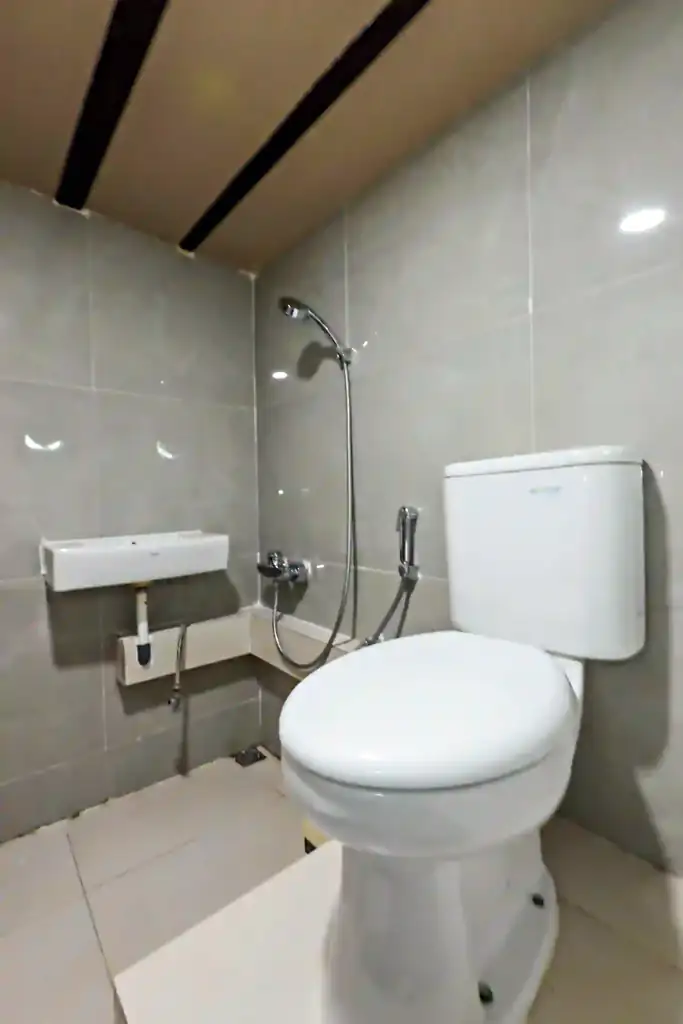
Toilets deserve a word of etiquette too. Boats use marine toilets, which have narrow pipes and block easily, so follow the crew’s instructions: on some boats toilet paper can be flushed, on others it goes in the bin beside the toilet, and nothing else, such as wet wipes or sanitary products, should ever go down. If a toilet does not flush properly, tell the crew straight away rather than trying to fix it yourself.
4. Keep shared spaces tidy
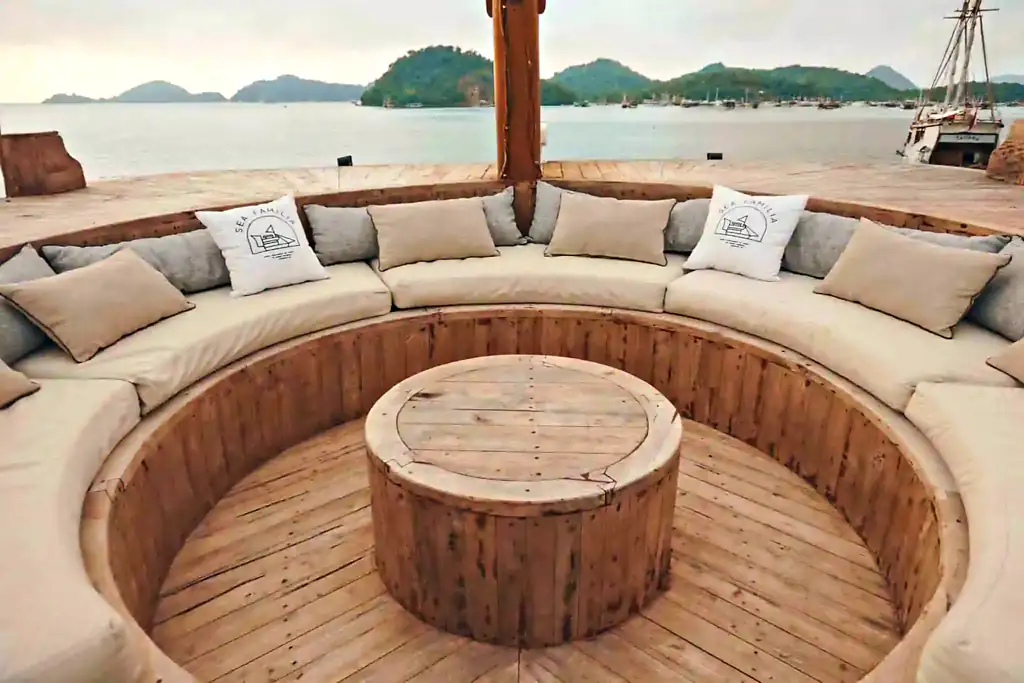
The sun deck, the lounge and the dining area belong to everyone. A wet towel left on a sofa, a mask and fins spread across a bench or a tangle of charging cables in the lounge soon add up on a small boat. Hang your towel to dry where the crew shows you, keep your gear together, and take your things back to the cabin when you leave a shared space.
The same goes for the charging points: free the socket when your device is full, and label your cables. Our guide to charging on a liveaboard has tips for sharing the power on board. And never leave rubbish lying around, on deck or anywhere else: the wind takes it straight into the sea. Ask the crew where the bins are on the first day, and use them.
5. Respect quiet hours
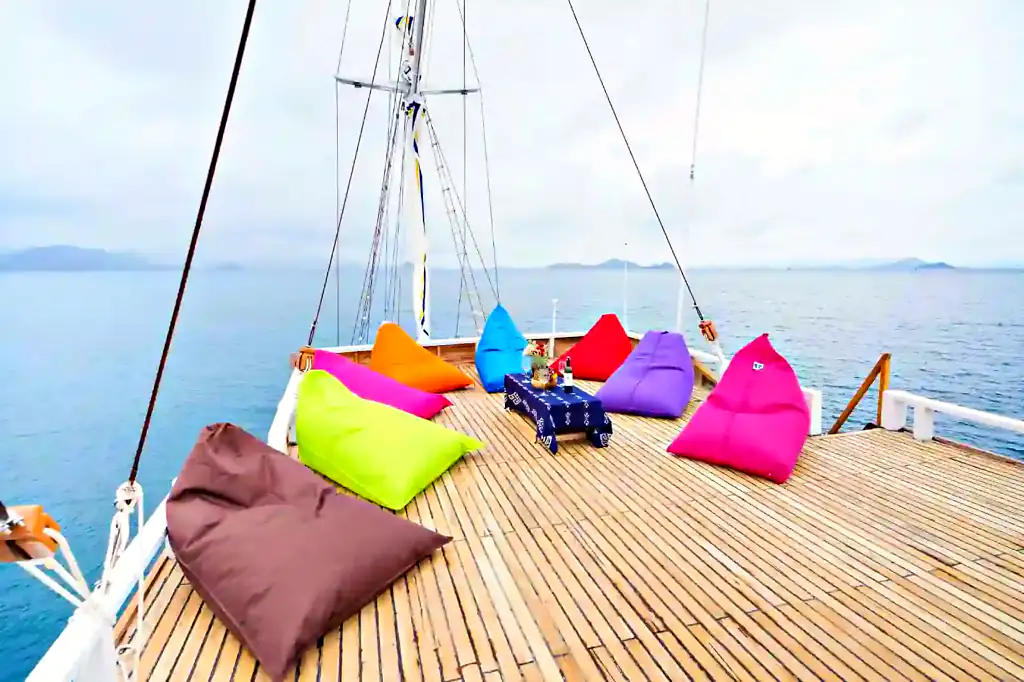
On a Komodo trip, some guests go to bed soon after dinner to be fresh for the sunrise climb, while others want to enjoy the stars and a drink on deck. Both are fine, as long as the evening stays considerate. Keep music low, take loud conversations away from the cabins, and agree with the guide on a time when the boat goes quiet.
The same courtesy applies early in the morning: whisper in the corridors, close doors gently and use a small torch rather than the main lights. At sunset by Kalong Island, keep your voice down while the flying foxes leave the mangroves; it makes the moment better for everyone. Our guide to Kalong Island explains how to watch them.
6. Share cabins and bathrooms kindly
Some guests share a cabin with a friend, and solo travellers may share one with a stranger. A few boats on this site, such as Segara’s Standard Cabin and Kanha Loka’s Share Cabin, have a shared bathroom. Close quarters work when everyone is considerate: keep your things on your side, ask before turning the air conditioning up or down, and do not take over the bathroom shelf.
In a shared bathroom, be quick in the morning rush, leave it as clean as you found it, and wipe the floor after your shower. Shared-cabin etiquette is mostly common sense: earplugs and an eye mask help light sleepers, and a short chat with your cabin mate on the first evening about alarms and bedtimes avoids awkward moments later. Our guide to solo travel in Komodo covers sharing a cabin in more detail.
7. Ask before drones and photos
A drone over a quiet bay is noisy, and on a small boat it can spoil a peaceful moment for others. Ask the crew and the guide before you fly, launch and land where they tell you, and keep away from other guests, wildlife and the flying foxes at dusk. The park has its own fee and rules for drones, which our guide to flying a drone in Komodo explains.
Photos of people deserve the same courtesy. Ask other guests before you post pictures of them, and ask the crew or villagers before you take close-up portraits. Most people are happy to say yes, and asking first turns a snapshot into a friendly moment.
Phones need the same thought. When the boat finds a signal, keep calls short and step away from the others, and use headphones for videos and music. Many guests come to Komodo to switch off for a few days, and a loud call on the sun deck at sunset can break that spell for everyone.
8. Listen to the briefings
On the first day, the crew explains where the life jackets are, how to get in and out of the tender, the rules for the walks and what to do in an emergency. Before each stop, the guide gives a short briefing on the walk, the snorkel or the current. Listening is the most important courtesy of all, because a guest who ignores the rules puts others at risk.
Follow the crew’s instructions in the water and on the tender, stay with the group on the dragon walks and tell the guide if you feel unwell. Official travel advice for Indonesia reminds travellers that sea conditions can change quickly, so the crew’s word on when to swim and when to stay on board is final. Our guide to whether Komodo National Park is safe covers the main points.
9. Respect the crew
The crew are your hosts, and the boat is their home and workplace. The captain, the deckhands, the cook and the engineer work long days, often starting before the guests wake up and finishing after they go to bed, and many of them are on call through the night. Learn their names, say good morning and thank them; a few words of Indonesian, such as terima kasih, thank you, always bring a smile.
Etiquette with the crew is simple: do not treat them as servants, and do not wake them at night unless you need help. Keep out of the wheelhouse, the engine room and the kitchen unless you are invited, and do not offer drinks to crew members on duty. If you want to thank the crew at the end of the trip, our guide to tipping on a liveaboard explains the custom.
10. Mind the reef and the wildlife
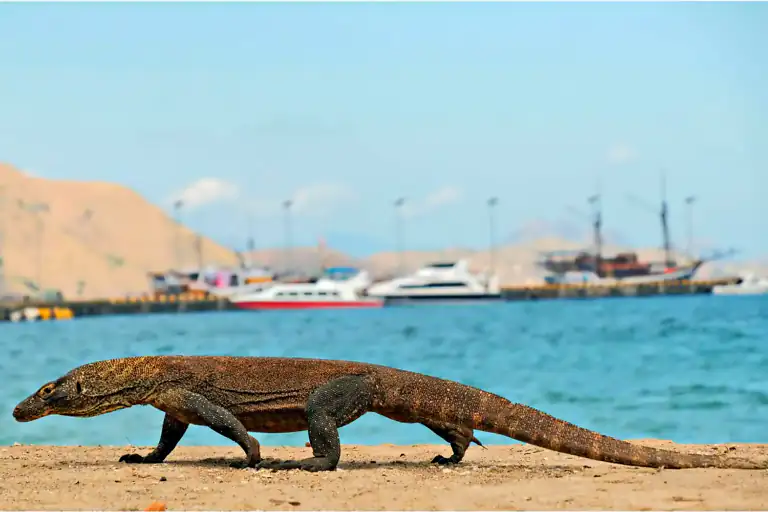
Good liveaboard etiquette extends to the park itself. Komodo’s reefs and animals are protected, and every guest helps keep them that way. Never stand on or touch the coral, keep your fins away from the reef, do not feed the fish and never chase or touch a manta ray or a turtle. On the islands, stay on the paths, keep several metres from the dragons and follow the ranger.
Use a reef-safe sunscreen, or better, cover up with a rash guard, and take every piece of rubbish back to the boat. Our guides to responsible travel in Komodo and plastic-free travel explain why these habits matter so much in the park.
11. Drink responsibly
A drink at sunset is part of many trips, but alcohol and a shared boat need care. Alcoholic drinks are not included on the boats on this site, and the rules for buying or bringing them differ from boat to boat, so ask before you book. Never drink before swimming, snorkelling or riding the tender, and keep the volume down if others are sleeping.
Look after your friends too: a guest who has had too much is a risk on a boat at night, near ladders and open edges. Our guide to alcohol on a liveaboard covers the rules and the safety points in detail.
12. Be flexible and kind
The sea and the weather have the last word in Komodo. A windy day can change the order of the stops, a strong current can move a snorkel, and the crew always chooses safety over the plan. Guests who go with the flow enjoy the trip far more than those who argue with the weather, and their mood spreads across the boat.
Kindness to other guests matters just as much. Share the best seats at sunset, include a solo traveller in the conversation at dinner, be patient with families with small children and respect other people’s diets and customs. In the villages, dress modestly and ask before you take photos. A boat full of strangers on the first day is often a group of friends by the last, and that, more than any rule, is what good etiquette on a liveaboard is for.
Our view
Liveaboard etiquette comes down to one idea: everyone on the boat, guests and crew, wants a great trip, and small courtesies make that possible. Be on time, save water, keep spaces tidy, respect sleep, the crew and the reef, and go with the flow when the weather changes. Do that, and you will be the guest everyone remembers fondly, on a boat sailing through a UNESCO World Heritage Site protected since 1991.
On a boat, good manners are not a formality. They are how a dozen strangers become one crew.
Ready to set sail? Compare the sharing trips on this site, and read our guide on when to book a Komodo liveaboard to choose the right dates.
Questions
What is liveaboard etiquette?
The simple habits that make a shared boat pleasant for everyone: punctuality, saving water, tidiness, quiet hours and respect for the crew and the reef.
Do I have to take my shoes off on the boat?
Many boats ask guests to go barefoot on deck and inside. Follow what the crew asks on your boat.
How long can I shower on a liveaboard?
Keep showers short. Fresh water is carried or made on board and shared by every guest and crew member for the whole trip.
Can I play music on deck?
Yes, at a volume that suits everyone, and not when others are sleeping before an early start.
Can I fly my drone from the boat?
Ask the crew and the guide first, follow the park’s drone rules and keep away from other guests and wildlife.
How should I treat the crew?
As your hosts. Learn their names, thank them, keep out of their working areas unless invited and do not wake them at night unless you need help.
Is it rude to skip an activity?
Not at all. Every stop is optional; just tell the guide in time, so the group does not wait for you.
What if I share a cabin with a stranger?
Agree on alarms and bedtimes on the first evening, keep your things on your side and use earplugs and an eye mask if you sleep lightly.
Is there a dress code on board?
No formal one. Casual clothes are fine, and many guests put on a T-shirt or a sarong over their swimwear at meals.
Can I swim off the boat?
Only when the crew says it is safe, and never alone or at night. The currents in the park can be strong.
What should I wear in the villages?
Dress modestly, with shoulders and knees covered, and ask before you take photos of people.
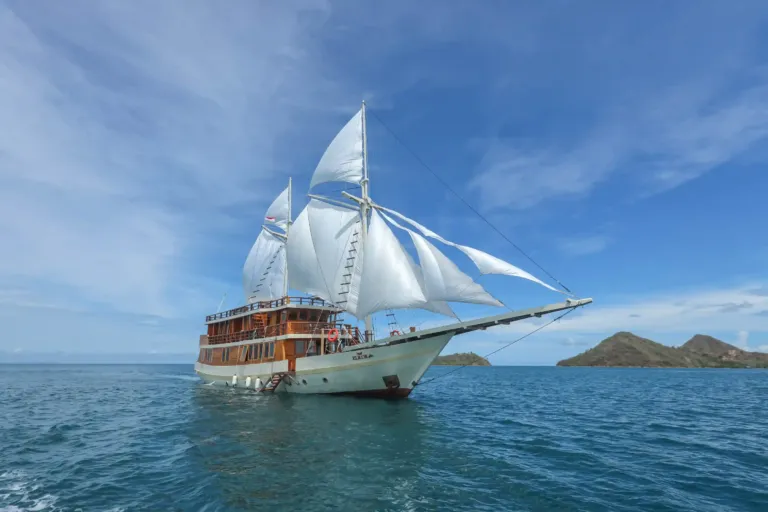

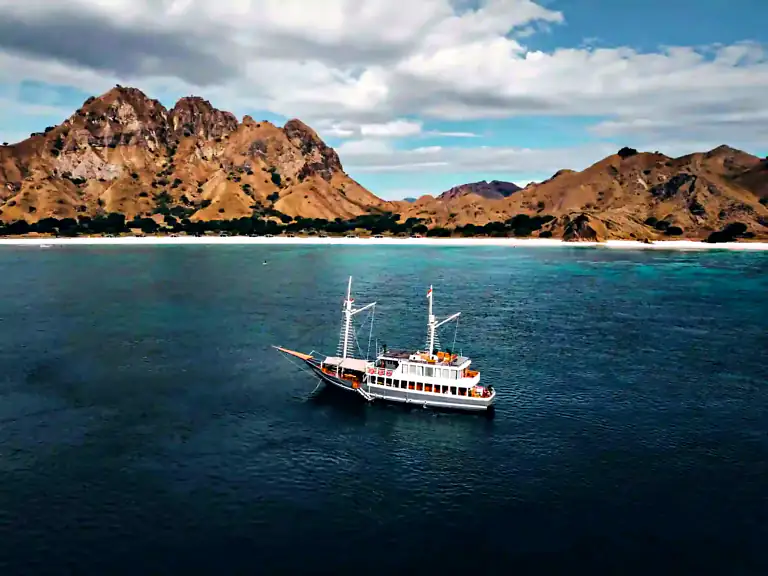
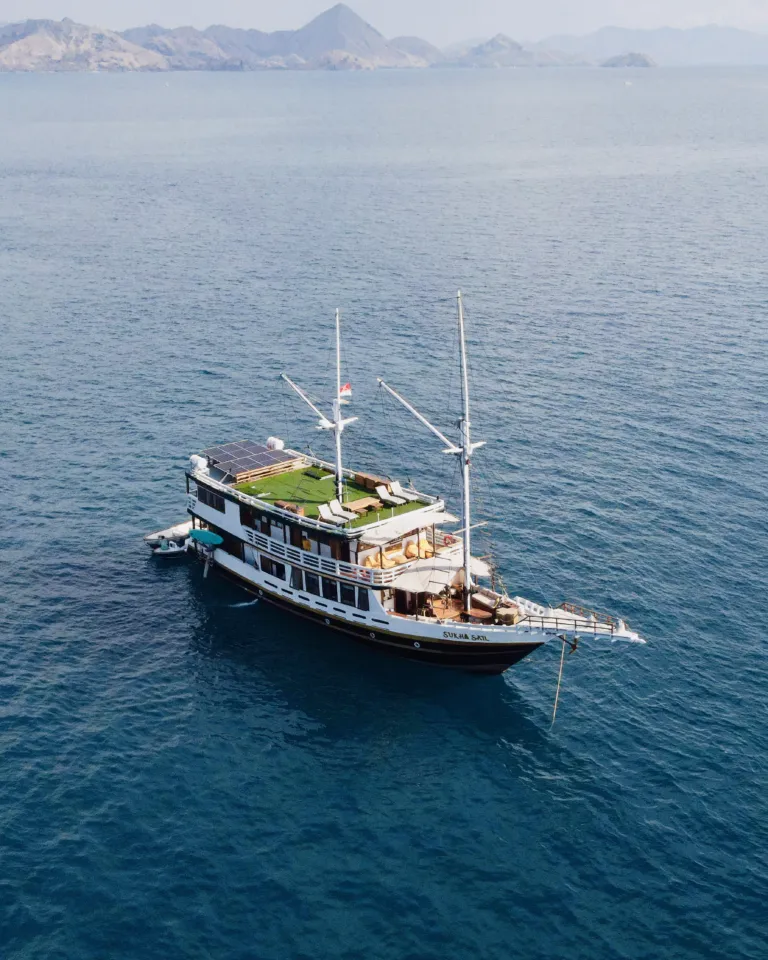
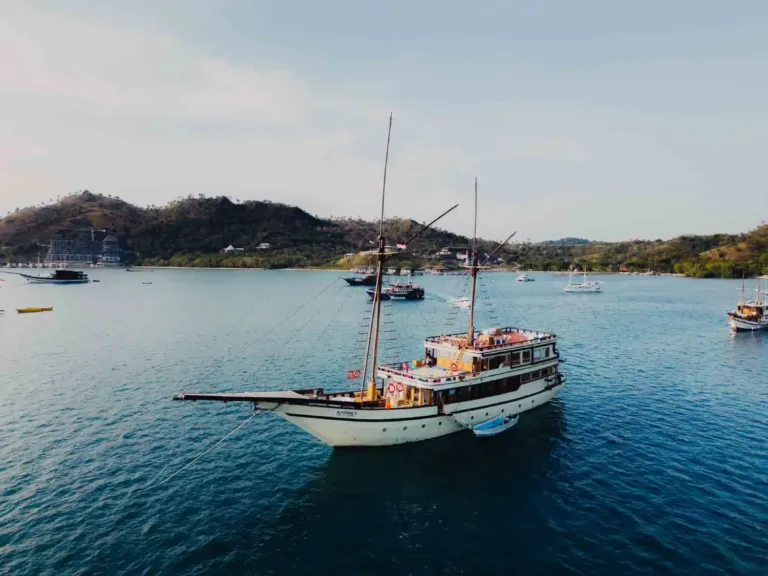
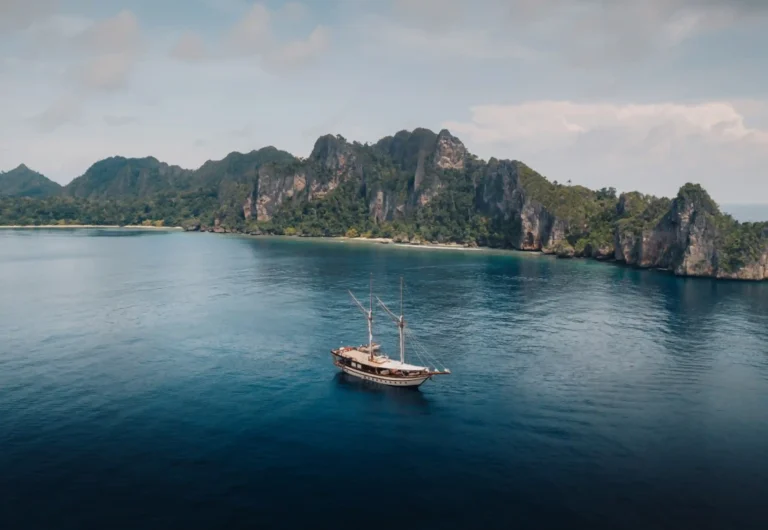
 Elbark Cruise
 Papiton Allo
 Semesta Voyages
 Sukha Sail 1