Plastic-free travel sounds like a big promise, but on a Komodo liveaboard it comes down to a few simple habits: a reusable bottle, a cloth bag, the right sunscreen and a little care with what you bring on board and what you take home. The reefs, beaches and turtles of Komodo National Park are some of the most beautiful in Asia, and plastic is one of the threats they face. This guide explains why it matters, what the rules in Labuan Bajo say, what to pack, and how to keep your trip as free of single-use plastic as possible, from the airport to the last snorkel.
In short
- West Manggarai, the regency of Labuan Bajo, has moved to limit single-use plastic, including bottled water on tour boats.
- Drinking water is included on most boats: bring a reusable bottle and ask the crew where to refill it.
- Pack solid toiletries, a cloth bag and a reef-friendly sunscreen, and cover up with a sun shirt.
- Take every piece of rubbish back to the boat, and never leave anything on a beach or in the sea.
Why plastic matters in Komodo
Komodo National Park is a marine park as much as a home for dragons. Its waters hold coral reefs, manta rays, turtles and dolphins, and the currents that make the reefs so rich also carry whatever floats in the sea from one bay to the next. A plastic bottle dropped in a harbour can end up on a remote beach, and plastic that breaks down into small pieces can stay in the sea for a very long time.
Indonesia has taken the problem seriously. In 2018, the government set a national goal of reducing the plastic waste that reaches the sea by 70 percent by 2025. According to Kompas, a review in 2025 found a reduction of about 42 percent, short of the target, with waste management on land as one of the main challenges. Progress is real, but there is a long way to go.
Visitors can help close the gap. Every bottle you do not buy and every wrapper you carry back to the boat is one less piece of plastic in the park, and the habits of thousands of visitors a year add up quickly.
Plastic and the wildlife of Komodo
The animals of the park do not know what plastic is. Sea turtles can mistake a floating plastic bag for a jellyfish, one of their foods, and seabirds and fish swallow small fragments that look like food. Manta rays, which filter tiny food from the water as they swim, take in small pieces of plastic too: a 2019 study that sampled the feeding grounds of Komodo National Park estimated that a manta ray there could swallow up to around 25 pieces of plastic an hour while feeding. A single bag or bottle may seem harmless, but the sea collects them from thousands of people.
On land, the dragons and the deer of the islands live among the dry hills and the beaches where rubbish washes up. Keeping the beaches clean protects them as well as the view. When you snorkel at Manta Point or watch a turtle surface beside the boat, you see exactly what plastic-free travel is protecting.
Labuan Bajo’s rules on single-use plastic
Labuan Bajo is acting too. In April 2025, the head of the regency of West Manggarai announced that drinks in plastic bottles and cups would no longer be allowed on tour boats, in hotels, restaurants, food stalls and offices, with tumblers and large refillable water containers instead, as detikBali reported. He asked the harbour authority to check the boats before departure, and said that boats breaking the rule would not be allowed to sail.
In May 2025, the regency signed a regulation limiting single-use plastic products and packaging. By August 2025, it applied first in government offices, with business premises, shops, markets and tourist areas to follow, according to detikBali. The rules are being introduced in stages, so what you see in town may vary from place to place.
For you as a guest, the message is simple: bring your own bottle and bag, expect fewer single-use plastics on board and in town, and support the businesses that make the effort.
Rules like these work best when visitors help. If a café offers to fill your bottle, accept; if a shop hands you a plastic bag for a single item, say you do not need it. These small choices show local businesses that travellers value the effort, and they make it easier for the rules to stick.
Plastic-free travel starts at home
The easiest plastic to avoid is the plastic you never pack. A few swaps before you leave make a real difference over a whole trip:
- A reusable water bottle, ideally insulated, so your water stays cool on the hikes.
- A foldable cloth bag for shopping in Labuan Bajo and for your wet things.
- Solid shampoo, conditioner and soap bars, which also save weight and space.
- Small refillable bottles for anything you cannot buy as a bar.
- A long-sleeved sun shirt, so you need less sunscreen in the water.
- A small pouch for rubbish on the beach stops and the walks.
Take the packaging off new things at home, not in Komodo, and leave the single-use travel minis behind. Our Komodo packing list covers everything else you need on board.
Choose gear that works on a boat. An insulated metal bottle keeps water cool in the heat and survives knocks on the tender; a mesh bag lets wet swimwear dry; a small dry bag keeps your phone safe on the beach stops; and a tin or a cloth pouch holds soap bars without leaking. Good reusable gear lasts for years, so the plastic you save on this trip adds up over every trip after it.
On board: water, meals and waste
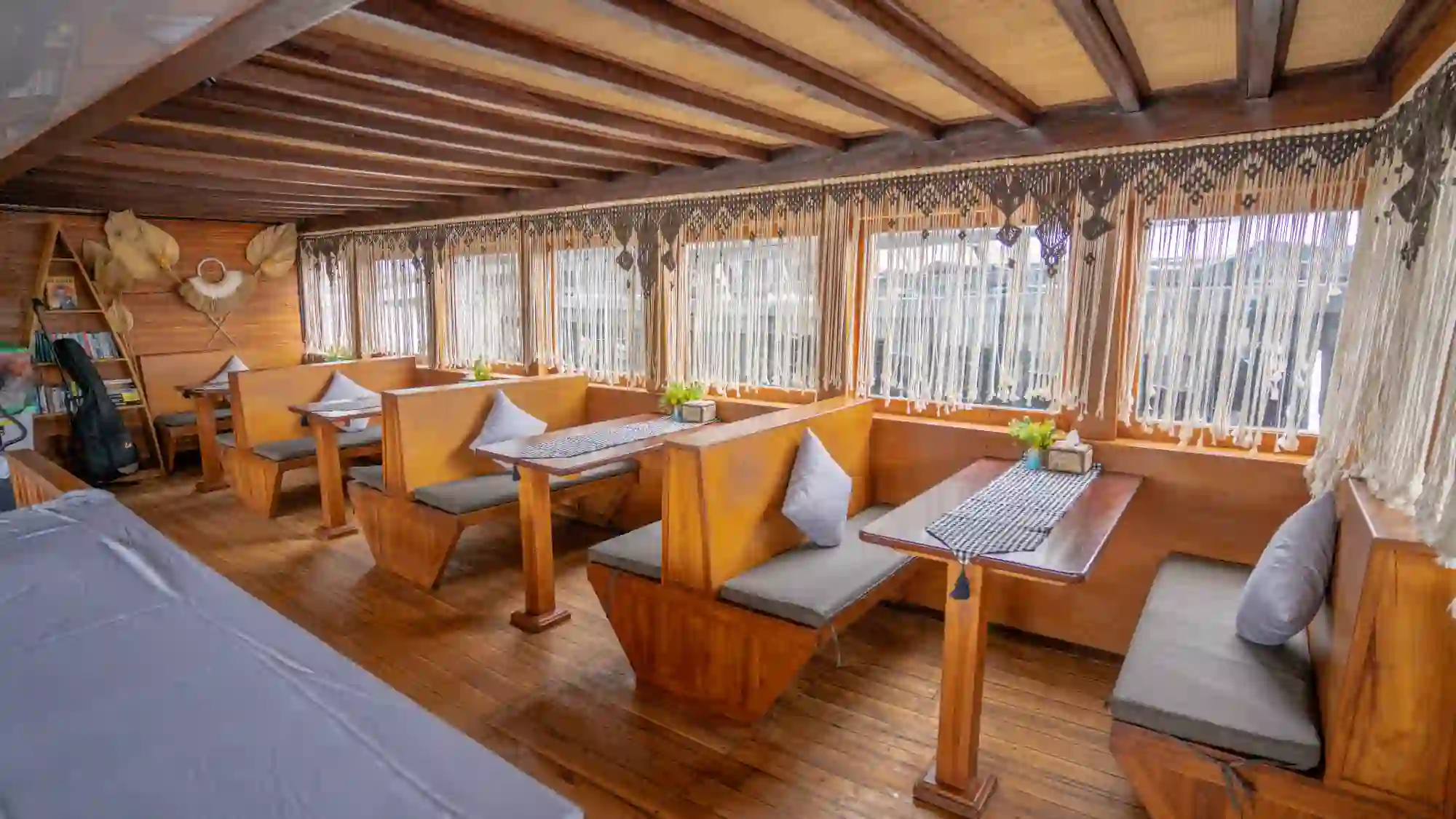
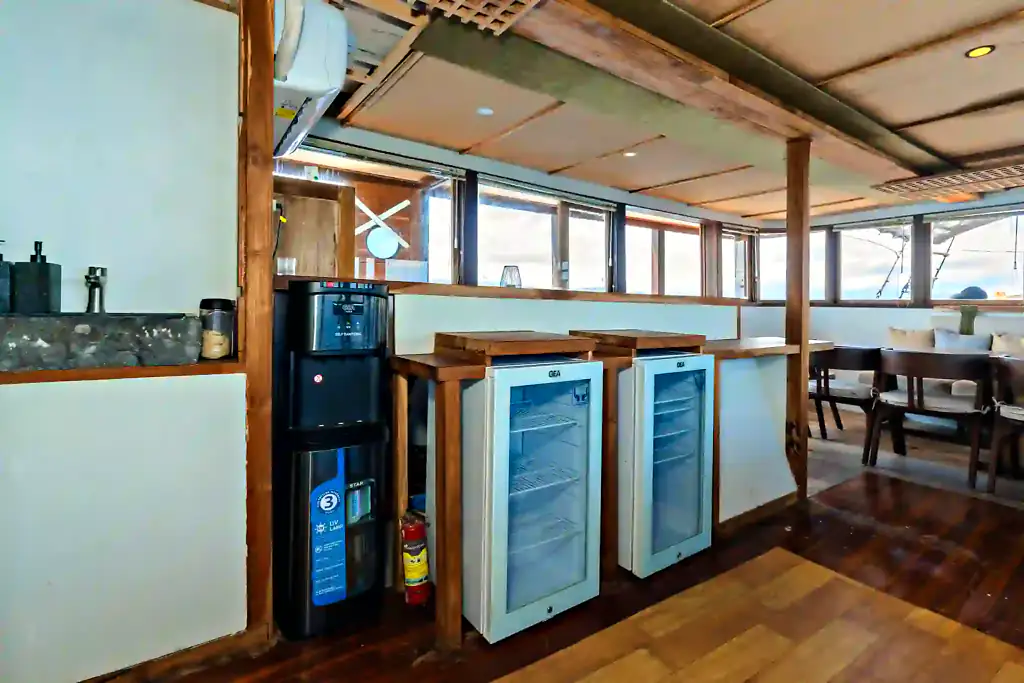
On most boats on this site, drinking water, coffee and tea are included, so there is no need to buy bottled water for the trip. Fill your bottle before every stop, especially before the Padar climb and the dragon walk, and ask the crew on the first day where and how to refill it.
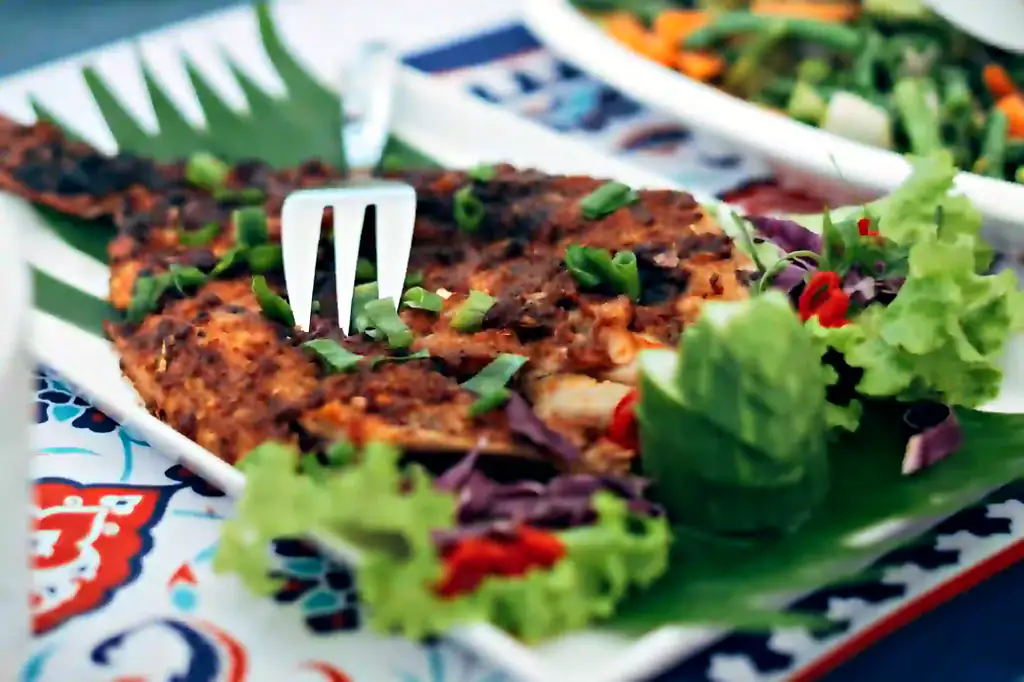
Meals are cooked fresh on board, with fish, rice, vegetables and tropical fruit, and served on plates at a shared table, which keeps food packaging to a minimum. Our guide to food on a liveaboard describes a typical day of meals. If you bring snacks from home, bring them in a reusable container rather than in many small wrappers.
Think about drinks too. If you bring your own beer, wine or soft drinks on boats that allow it, choose larger containers over many small ones, and take the empties back to town. A reusable cup with a lid is handy on deck, where the wind can easily blow a light cup into the sea.
Whatever waste you create, keep it on the boat. Put it in the bins the crew provides, never throw anything overboard, and take small items such as used batteries home with you, where they can be recycled. A boat is a small world, and the less you bring on board, the less there is to deal with at the end of the trip.
Questions to ask your boat
Boats differ in how they handle water and waste, and a few questions before you book or when you board tell you how to help. You do not need to make a fuss; most crews are happy to explain how things work on their boat.
- Where can I refill my bottle? Knowing where the drinking water is saves you from asking for bottled water.
- Where should I put my rubbish? Ask whether there are separate bins for different kinds of waste.
- Can I skip the plastic straw or cup? Ask for drinks in a glass or your own cup.
- Are towels and toiletries provided? If they are, you can leave yours at home and travel lighter.
If you notice something that could be done better, mention it kindly to us after the trip. Feedback from guests helps the boats improve, and it shows that travellers care about plastic-free travel in Komodo.
On the beaches and the reefs
Leave every beach as you found it, or better. Take back everything you bring ashore, including cigarette ends, bottle caps and fruit peel, and if you see a piece of plastic on the sand or floating near the boat, pick it up if it is safe to do so. Many guests do this without thinking, and it sets a good example for everyone around.
Never take shells, coral or sand from the park, not even a handful of the pink sand of Pink Beach. These small things are part of the ecosystem, and if every visitor took a little, there would soon be nothing left. Our guide to Pink Beach Komodo explains why its colour is so fragile.
In the water, stay off the coral, keep your fins away from the reef and never feed the fish. Plastic is only one of the threats to the reefs; careless snorkelling is another, and the two together do the most damage. Our guide to responsible travel in Komodo has more simple ways to protect the park.
Sunscreen and the reef
Sunscreen protects your skin, but some of its ingredients can harm the reef. The US National Oceanic and Atmospheric Administration lists several chemicals, including oxybenzone, octinoxate and octocrylene, that can harm corals and other sea life, and suggests choosing products without them, according to its page on skincare chemicals and coral reefs.
The same page recommends UV-protective clothing, such as sun shirts and leggings, and shade in the middle of the day. That is also the most plastic-free option: a long-sleeved swim shirt can be worn for years, while every bottle of sunscreen is one more piece of plastic packaging. Read the labels carefully, look for packaging you can refill or recycle, and put on sunscreen at least a little while before you swim, so less of it washes off into the sea.
In Labuan Bajo
Most trips start and end in Labuan Bajo, and your habits in town matter as much as on the boat. Carry your bottle and your cloth bag, say no to plastic bags for small purchases, and refuse straws when you order a drink. Fresh fruit from the market needs no packaging at all.
Choose cafés and restaurants that serve drinks in glasses and offer water refills, and hotels that provide refillable toiletries. If you order a takeaway meal, bring your own container or eat in, and carry a spare cloth bag for the market, where fresh fruit, spices and snacks are sold loose. When you shop for souvenirs, look for local crafts, such as woven cloth from Flores, rather than plastic trinkets. Our guide to planning a Komodo trip covers the town and the practical steps before the boat.
Simple swaps for plastic-free travel
| Instead of | Bring or choose |
|---|---|
| Bottled water | A reusable bottle, refilled on board and in your hotel |
| Plastic bags | A foldable cloth bag or a small backpack |
| Mini toiletry bottles | Solid bars and small refillable bottles |
| Lots of sunscreen | A long-sleeved sun shirt and a reef-friendly sunscreen |
| Wrapped snacks | Fresh fruit and snacks in a reusable container |
| Straws and cups | No straw, or your own reusable cup |
| Plastic souvenirs | Local crafts, such as woven cloth from Flores |
None of these swaps cost much, and most of them make your trip easier, not harder: a good bottle keeps water cold on the hike, and a sun shirt beats reapplying sunscreen after every swim.
Do not worry about being perfect. Some things on a trip will come in packaging you cannot avoid, from medicines to the occasional snack. Plastic-free travel is about reducing what you can and dealing responsibly with the rest, not about guilt. Pick two or three swaps that suit you, make them habits, and add more on your next trip.
Plastic-free travel with children
Children are often the most enthusiastic guardians of the beach. Give them their own bottle and a small bag for any rubbish they find, and turn it into a game on the beach stops. Explaining why turtles and fish suffer from plastic is a lesson they will remember far longer than any classroom.
Pack their snacks in reusable boxes, choose a sun suit for the water, and let them help refill the bottles on board. Our family guide to Komodo with kids has more tips for a trip with children.

Our view
Plastic-free travel on a liveaboard is less about perfection than about habits: a bottle you refill, a bag you reuse, a sun shirt instead of a second bottle of sunscreen and every wrapper carried back to the boat. Labuan Bajo is moving in the same direction, and every guest who follows suit helps protect the reefs and beaches of a UNESCO World Heritage Site that has been protected since 1991.
Bring a bottle, carry a bag, take your rubbish home: the reef will never know you were there.
Ready to travel lighter? Compare the sharing trips on this site, and ask the crew about refilling your bottle when you board.
Questions
Is drinking water included on the boats?
On most boats on this site, yes. Bring a reusable bottle and ask the crew where to refill it.
Is single-use plastic banned in Labuan Bajo?
The regency announced a ban on bottled drinks and plastic cups on tour boats and in hotels and restaurants in 2025, and signed rules limiting single-use plastic. They are being introduced in stages.
Which sunscreen is best for the reef?
One without the chemicals that NOAA lists as harmful to corals, such as oxybenzone. A sun shirt is the most reef-friendly protection of all.
Can I take shells or sand home from Komodo?
No. Leave shells, coral and sand where they are, including the pink sand of Pink Beach.
What should I do with my rubbish on the boat?
Use the bins the crew provides, never throw anything overboard, and take small items like batteries home for recycling.
What is the easiest plastic-free swap?
A reusable water bottle. It replaces several plastic bottles a day and keeps your water cooler on the walks.
Do solid toiletries work on a boat?
Yes. Bars of shampoo and soap are light, cannot leak in your bag and keep well in a small tin or a cloth pouch.
Why does plastic matter for manta rays?
Manta rays filter their food from the water and swallow small pieces of plastic with it. A 2019 study in Komodo National Park estimated up to around 25 pieces an hour while feeding.
How can I help keep the beaches clean?
Take back everything you bring ashore, and pick up any plastic you see on the sand if it is safe to do so. Every piece counts.
Is a sun shirt better than sunscreen for the reef?
For your back and shoulders in the water, yes. NOAA recommends UV-protective clothing, and a sun shirt also saves plastic bottles of sunscreen.
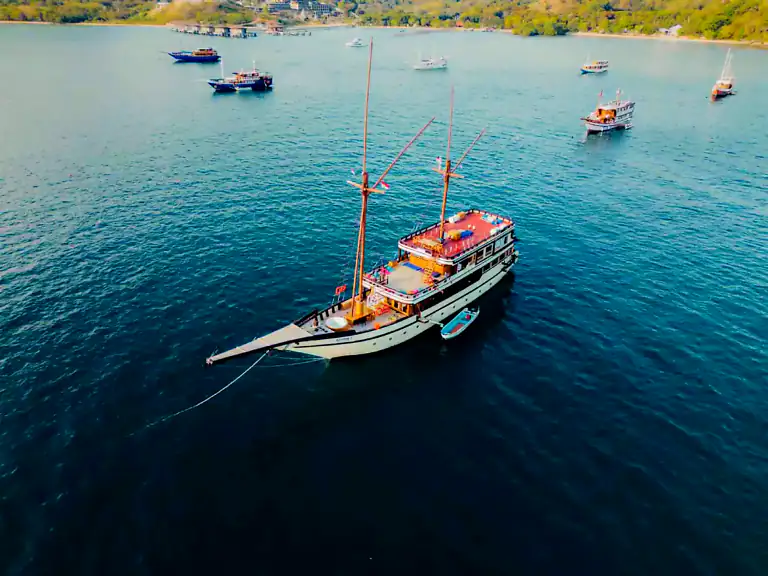
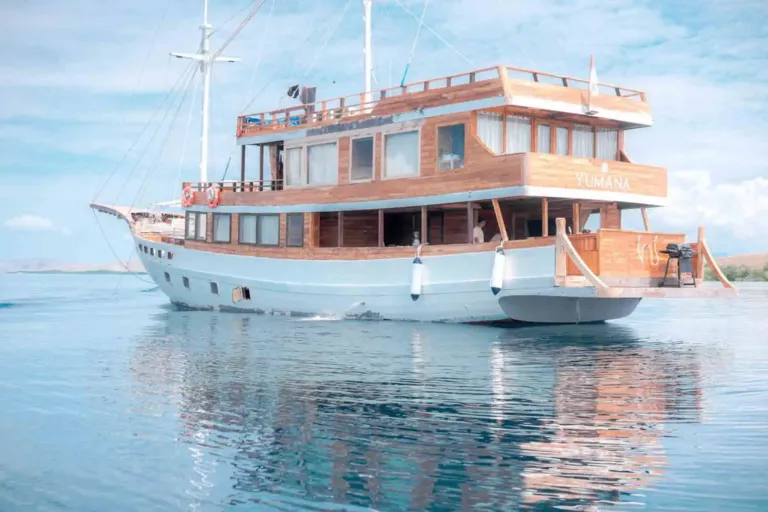
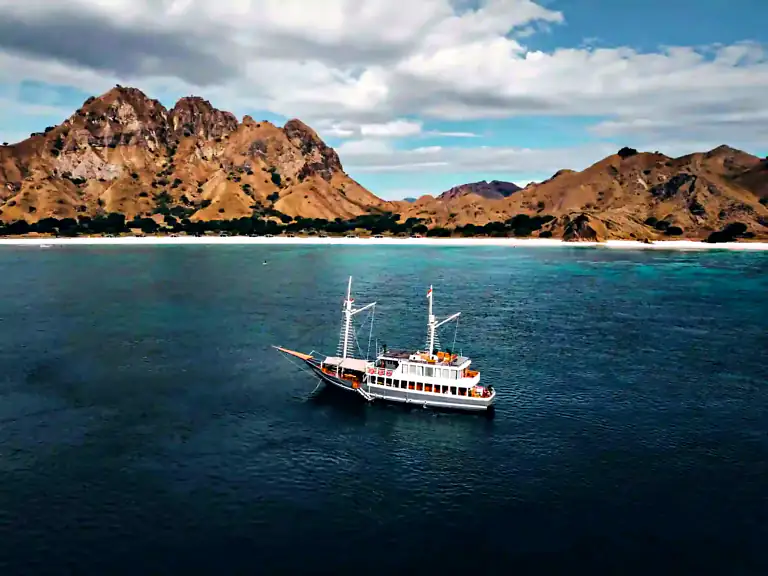
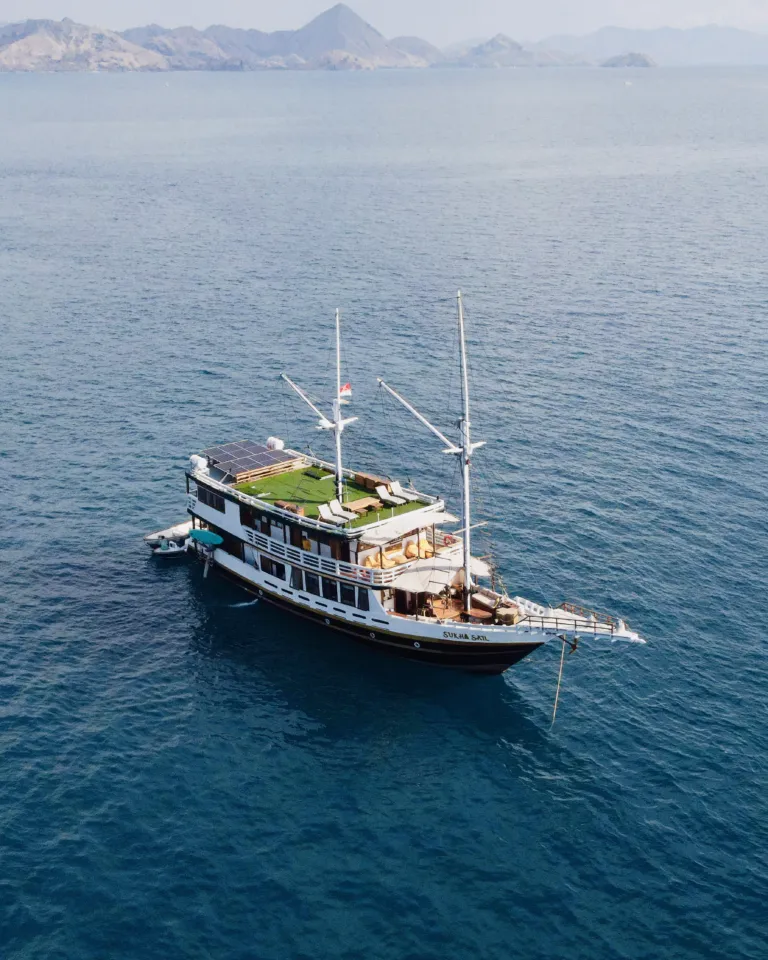
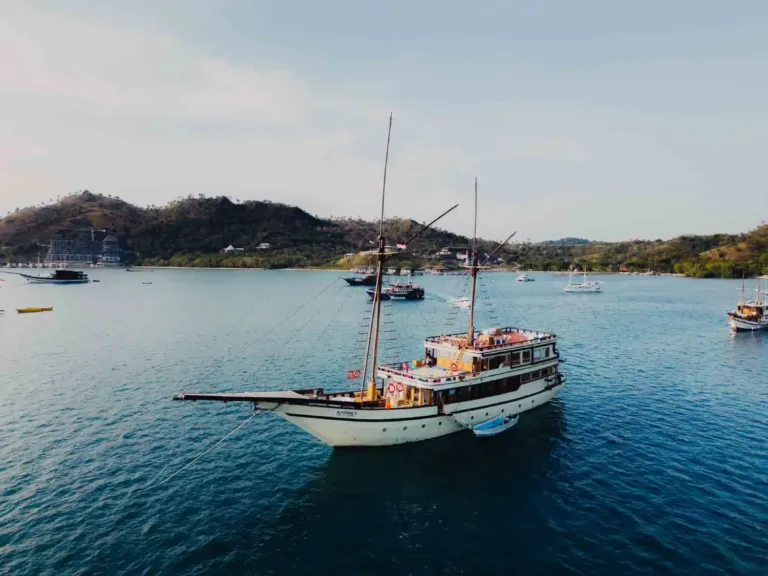
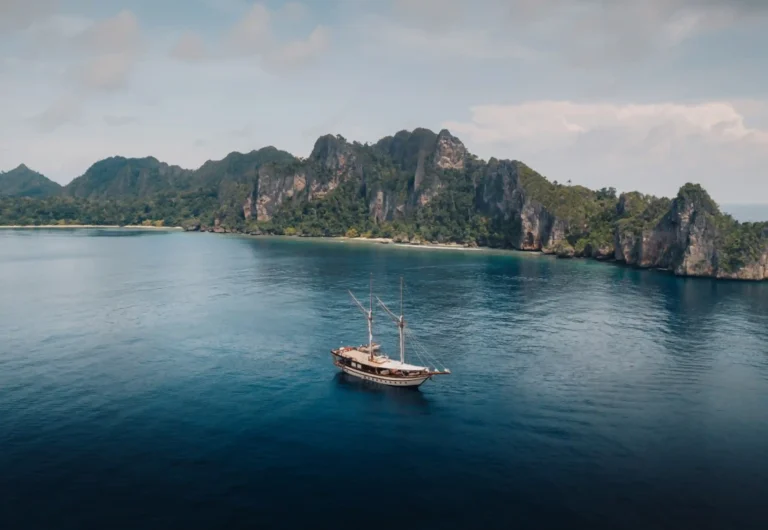
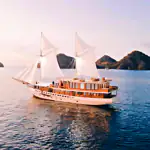 Elbark Cruise
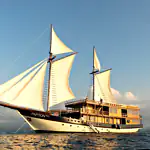 Papiton Allo
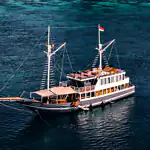 Semesta Voyages
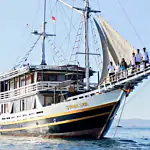 Sukha Sail 1