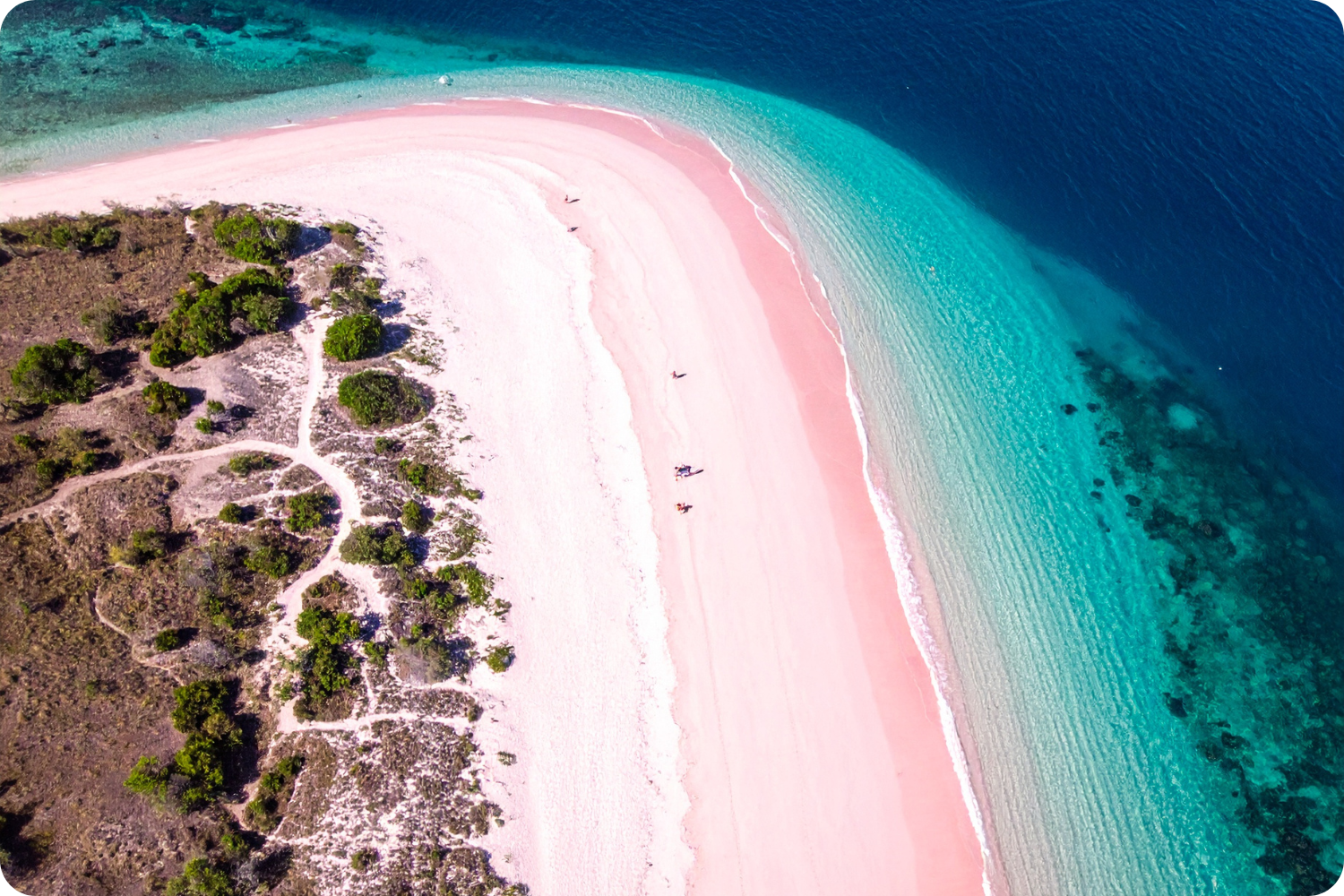
Pink Beach Komodo is one of the few places on Earth where the sand really is pink. A soft curve of rose-tinted sand runs between dry hills and turquoise water, with a coral reef just a few strokes from the shore. It is one of the most loved stops in Komodo National Park, and in 2025 it was named the most beautiful beach in the world on one well-known list. This guide explains where Pink Beach is, why the sand is pink, when it looks its best, how to snorkel there and how to visit on a liveaboard or a day trip.
In short
- Pink Beach, known locally as Pantai Merah, lies in Komodo National Park, near Komodo Island.
- The colour comes from tiny red organisms called foraminifera, mixed with white coral sand.
- The pink is strongest at the water’s edge and in soft light, and from above.
- Most liveaboards stop there on the second day, often in the morning, with time to snorkel the reef.
Where is Pink Beach Komodo?
Pink Beach is inside Komodo National Park, in the province of East Nusa Tenggara, close to Komodo Island. Locally it is called Pantai Merah, which means “red beach”. There is no road and no village at the beach: you arrive by boat from Labuan Bajo, the harbour town on the western tip of Flores, either on a liveaboard that spends a few days in the park or on a speedboat day trip.
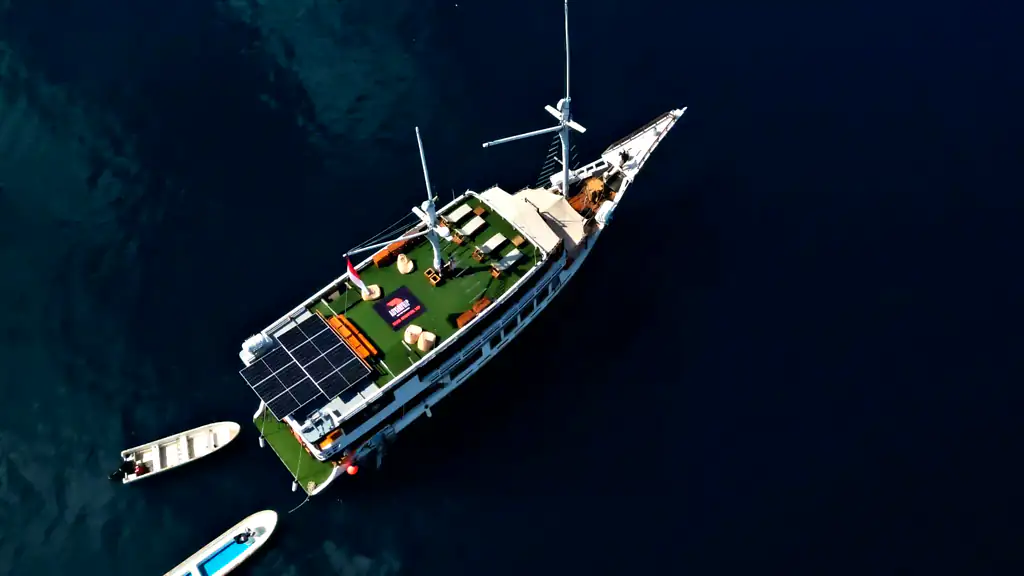
On a typical liveaboard trip of three days and two nights, Pink Beach comes on the second day, after the sunrise climb on Padar and before the dragon walk on Komodo Island. The boat anchors offshore, and a tender takes you to the beach. Our guide to Komodo Island covers the dragon walks nearby.
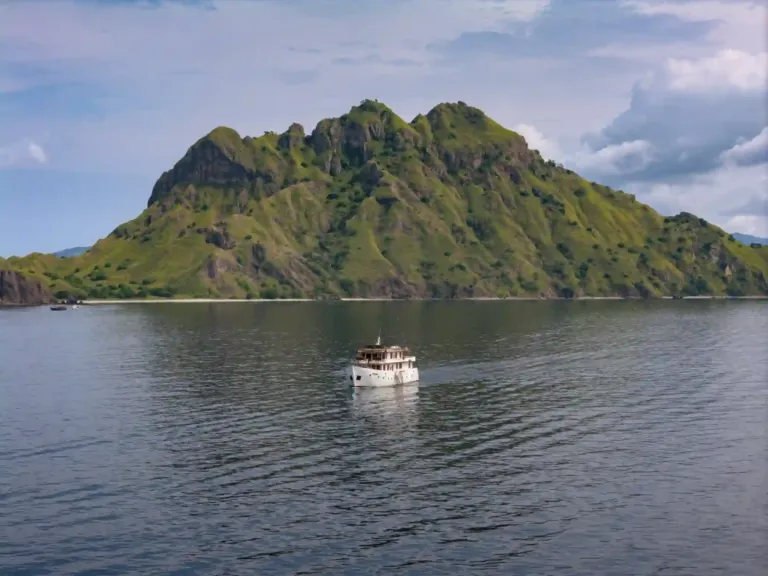
The setting is part of the magic. Behind the beach rise dry, rugged hills, green in the wet season and golden brown in the dry months, and in front of it the water shifts from turquoise over the sand to deep blue over the reef. Because Pink Beach is one of the stops that most boats share, it can be busy at the most popular hours, which is why the timing of your visit matters.
Why is the sand pink?
The pink comes from the reef. Mixed into the white coral sand are countless tiny red fragments of foraminifera, single-celled organisms that live on the reef and build small shells. When they die, the waves break their bright red shells into grains and wash them ashore, where they mix with the white sand and turn the beach pink.
According to Good News From Indonesia, the species most often named is Homotrema rubrum, the same red organism that colours the famous pink beaches of Bermuda. Fragments of red coral may add to the colour too. Because the pink depends on how much red material the waves bring, the colour varies along the beach and from day to day, stronger in some places and paler in others.
Pink sand beaches are rare around the world, because they need just the right mix: a healthy reef close to the shore, plenty of red organisms living on it and waves that carry the fragments onto a sheltered beach. Komodo has all three, which is why its pink beaches are among the best known on Earth.
The reef behind the colour
Homotrema rubrum is a tiny, bright red organism that grows on pieces of coral rubble on tropical reefs. It lives in colonies, attached to the reef, and builds a hard little shell. When the colonies break off and the shells are worn down by the waves over many years, the red grains end up on the nearest beach.
That means the pink of the beach depends on the health of the reef in front of it. A living reef keeps supplying the red fragments that colour the sand; a damaged reef supplies fewer. It is a good reason to snorkel gently, keep your fins off the coral and never stand on it. Seen this way, the beach and the reef are one place, and every visitor plays a small part in keeping both of them as they are.
When does it look the pinkest?
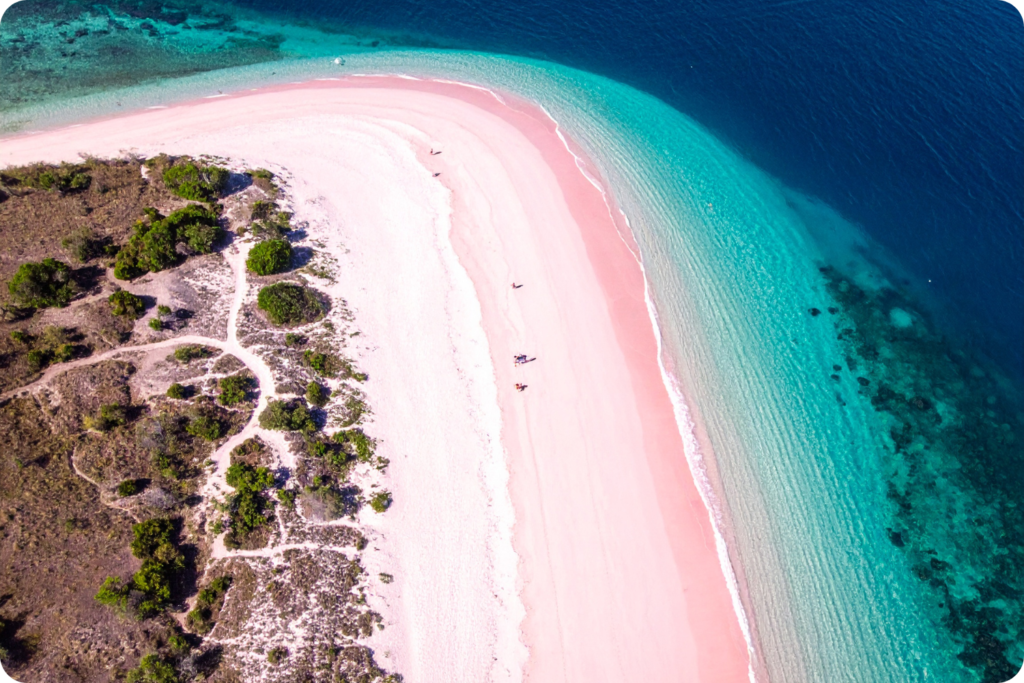
Many visitors are surprised at first: standing on the dry sand at midday, the beach can look almost white. The pink is strongest where the sand is wet, at the edge of the water, where the grains darken and the red fragments stand out. Soft light, in the morning or the late afternoon, brings out the colour far better than the hard light of midday.
Height helps too. From a hill behind the beach, from the deck of the boat as you arrive or in a drone photo, the whole curve of the beach shows its pink against the turquoise water. If you want to see the colour up close, kneel at the water’s edge and look at a handful of wet sand: you will see the tiny red grains among the white ones.
Cloudy days are not a loss here. Under a soft, overcast sky, colours often look richer than in harsh sunshine, and the pink of the wet sand can be easier to see and to photograph. In the wet season, the green hills behind the beach add another colour to the scene.
Snorkelling at Pink Beach
Pink Beach is not only for looking at. The reef just offshore is excellent for snorkelling, with corals and schools of small fish in shallow water, and it is one of the easiest snorkelling stops of the trip. You swim straight from the beach or from the tender, and the guide shows you where the best corals are.
Snorkelling equipment and life jackets are on board on most boats, so you can swim even if you did not bring your own. Float on the surface, keep your fins up and never stand on the coral: the reef is what makes the sand pink, so protecting it protects the beach too. Keep a few metres from any turtle you see, and stay within sight of the group and the tender.
Near the shore, the water is usually calm, which makes Pink Beach a good place for a first snorkel or for less confident swimmers. Conditions change with the tide and the weather, though, so listen to the guide’s briefing, wear a life jacket if you are unsure in the water and do not swim out beyond the area the guide shows you.

How to visit Pink Beach
There are two ways to visit. On a liveaboard, Pink Beach is part of the route, usually on the second day of a trip of three days and two nights, often in the morning, when the light is soft and the water calm. Because the boat sleeps inside the park, it can reach the beach at a quieter hour, and you have time to swim, snorkel and simply sit on the sand.
On a speedboat day trip from Labuan Bajo, Pink Beach is one of several stops in a long day, together with Padar, the dragons and Manta Point. It is a good option if you have only one day, but the time at each stop is shorter. Our comparison of a Komodo liveaboard and a day trip explains the difference.
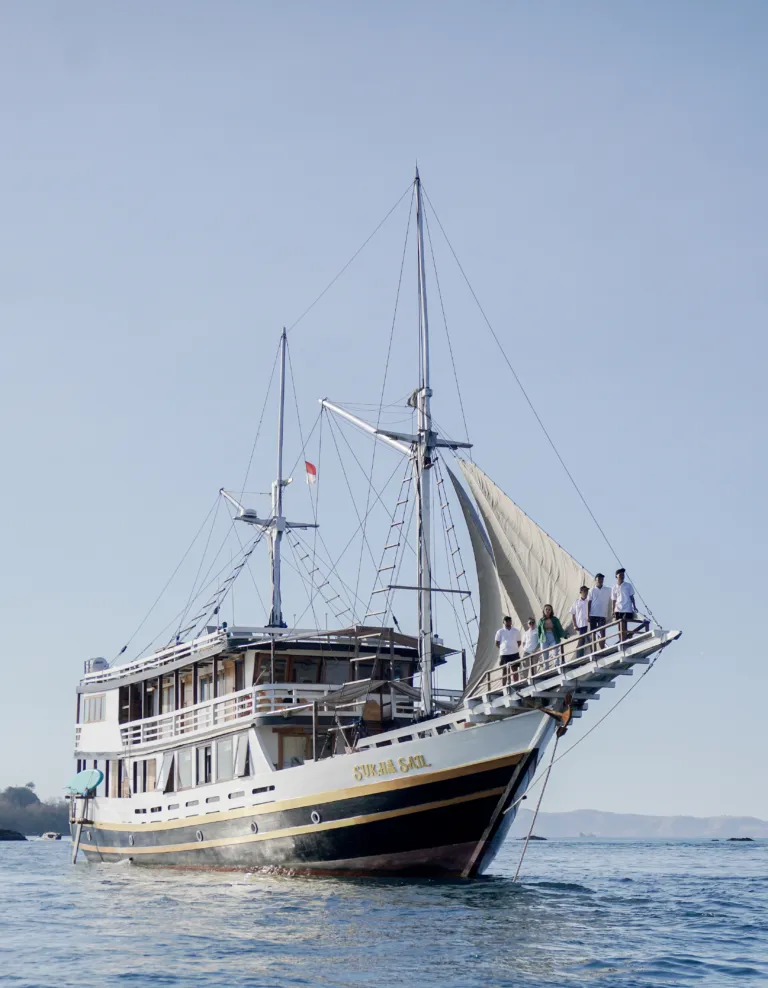
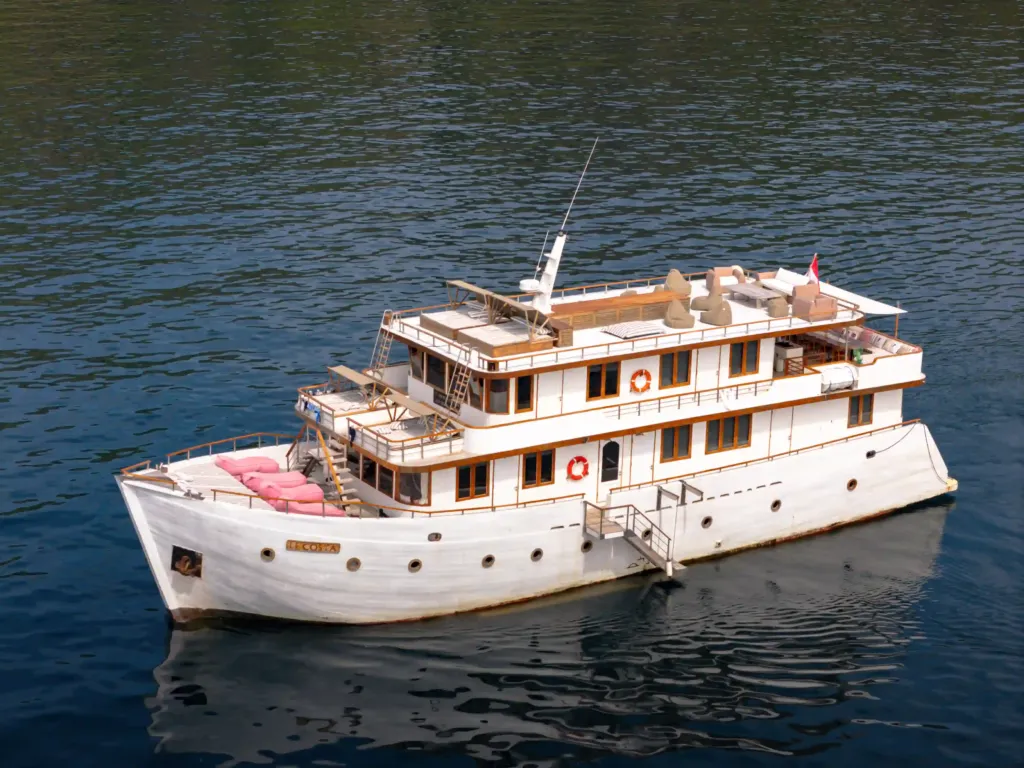
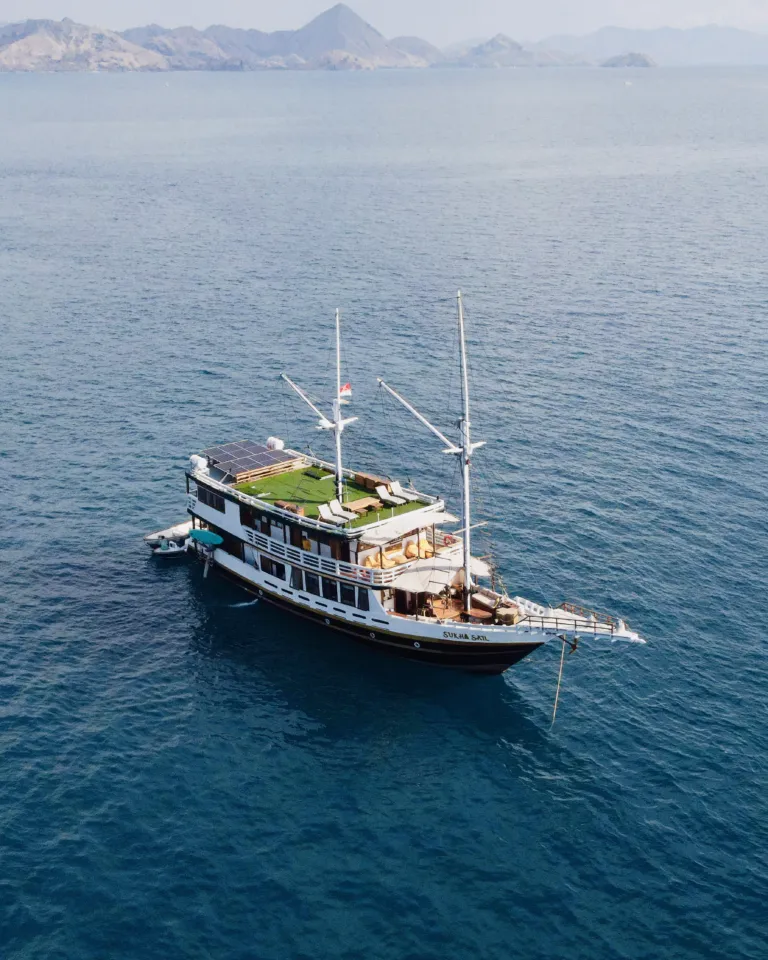
The boats that sail between Lombok and Labuan Bajo stop at Pink Beach too. On Alfathran 3, Lady Grace and Sukha Sail 1, the route through Komodo National Park includes Pink Beach together with Komodo Island, Padar and Manta Point, after the stops along the coast of Sumbawa. Each boat page shows its full itinerary, so you can check that Pink Beach is on the plan.
A typical stop at Pink Beach
On a liveaboard, the stop usually follows breakfast on the second day. The tender drops you on the beach, where you have time to walk along the sand, take photos and swim. Then comes the snorkel, either from the beach or from the tender over the reef, before you return to the boat and sail on to the dragon walk on Komodo Island.
There is no shade on much of the beach and nothing to buy, so bring water, a hat and reef-friendly sunscreen, and take all your rubbish back to the boat. The sand is soft, but the water’s edge can have coral rubble, so water shoes or sandals help when you walk in and out of the sea.
Pink Beach is inside Komodo National Park, so the park entrance fee applies. When you book a liveaboard with us, it is added to your invoice, IDR 650.000 for foreign guests on most boats, so there is nothing to pay at the beach. Children under 2 do not pay.
The most beautiful beach in the world?
Many visitors think so, and in 2025 a list agreed. On 8 August 2025, the British travel company Explore Worldwide named Pink Beach in Komodo the most beautiful beach in the world, ahead of Le Morne in Mauritius and Boulders Beach in South Africa, as reported by Good News From Indonesia.
Rankings come and go, but the reasons are easy to see: the rare colour of the sand, the clear water, the reef close to shore and the wild setting, with dry hills behind and no buildings in sight. It is one of the moments on a Komodo trip that guests remember most, alongside the view from Padar and the dragons.
Fame has a price, of course: more visitors come every year. That makes it all the more important to visit with care, at a quieter hour if you can, and to leave the beach exactly as you found it for the people who come after you.
Other pink sand in Komodo
Pink Beach is the most famous, but not the only place with pink sand in the park. From the viewpoint on Padar, you look down on three curving bays, each with sand of a different colour, and one of them has a pink tint. Other small beaches in the park show a touch of pink at the water’s edge, wherever the reef nearby supplies enough red fragments.
On a longer trip, look out for the colour at the beaches you visit, and ask the guide which ones have it. Each beach has its own shade, from a faint blush to a deeper rose, depending on the reef in front of it and the light on the day. Our guide to Padar Island describes the three bays and how to see them at sunrise.
Leave the sand where it is
It is tempting to take a little pink sand home in a bottle. Please do not. Pink Beach is part of a national park, and taking sand, shells or coral from the park is against the rules. More importantly, the pink colour is fragile: it depends on red fragments that build up slowly, and if every visitor took a handful, the beach would lose its colour over time.
Take the colour home in a photo instead. A close-up of your hand holding wet pink sand, taken at the water’s edge and then poured back, makes a lovely souvenir that costs the beach nothing.
Leave the sand, the shells and the coral where they are, take your rubbish back to the boat and keep your fins off the reef. Our article on responsible travel in Komodo explains other simple ways to protect the park.
What to bring for Pink Beach
- Swimwear and a long-sleeved swim shirt for the sun and the snorkel.
- Reef-friendly sunscreen, a hat and sunglasses; there is little shade on the beach.
- Water shoes or sandals for the coral rubble at the water’s edge.
- A bottle of water and a small bag for your rubbish.
- A dry bag for your phone and camera on the tender.
Families with children love Pink Beach: the water near the shore is shallow and clear, and children can watch fish from the surface with a mask. Keep them close, put them in a life jacket for the snorkel and make sure they rest in the shade of the boat afterwards. Our Komodo packing list covers everything for the rest of the trip.
Photography tips for Pink Beach
- Shoot the wet sand at the water’s edge, where the pink is strongest.
- Get low, close to the sand, to fill the foreground with colour.
- Go up: from the boat or a hill, the curve of the beach shows its pink best.
- Use soft light, in the morning or the late afternoon, rather than midday.
- Use a polarising filter to cut the glare on the water and deepen the blue.
Drones need a permit and a fee in the park, but on most sharing trips on this site, photo and drone documentation is included, so you may get aerial shots of the beach without flying yourself. Our Komodo photography guide has more tips.
Our view
Pink Beach Komodo lives up to its name and its fame. Come in the soft light, kneel at the water’s edge to see the red grains, snorkel the reef that makes the colour and leave everything as you found it. Komodo National Park has been a UNESCO World Heritage Site since 1991, and its pink sand is one of its small wonders.
Every grain of pink on this beach was made by the reef. Look after the reef, and the beach stays pink.
Ready to see it for yourself? Most trips on our 3 days and 2 nights page stop at Pink Beach, with live prices and departures.
Questions
Why is Pink Beach pink?
Tiny red fragments of foraminifera, single-celled organisms from the reef, mix with the white coral sand and give it a pink colour.
Is the sand really pink?
Yes, although the colour varies. It is strongest where the sand is wet and in soft light, and paler on dry sand at midday.
Can I snorkel at Pink Beach?
Yes. The reef just offshore has corals and schools of small fish in shallow water, and the equipment is on board on most boats.
How do I get to Pink Beach?
By boat from Labuan Bajo, on a liveaboard or a speedboat day trip. Most liveaboards stop there on the second day.
Can I take some pink sand home?
No. Taking sand, shells or coral from the national park is against the rules, and it would fade the beach over time.
When is the best time to visit?
In the dry season, from April to November, in the morning or late afternoon, when the light is soft and the colour strongest.
Is Pink Beach crowded?
It can be at the most popular hours, because most boats stop there. A liveaboard can often reach it at a quieter time.
Is there a fee to visit Pink Beach?
Pink Beach is inside the national park, so the park entrance fee applies. When you book a liveaboard with us, it is on your invoice.
Are there shops or cafés at Pink Beach?
No. There is nothing to buy at the beach, so bring water and sunscreen from the boat, and take your rubbish back with you.
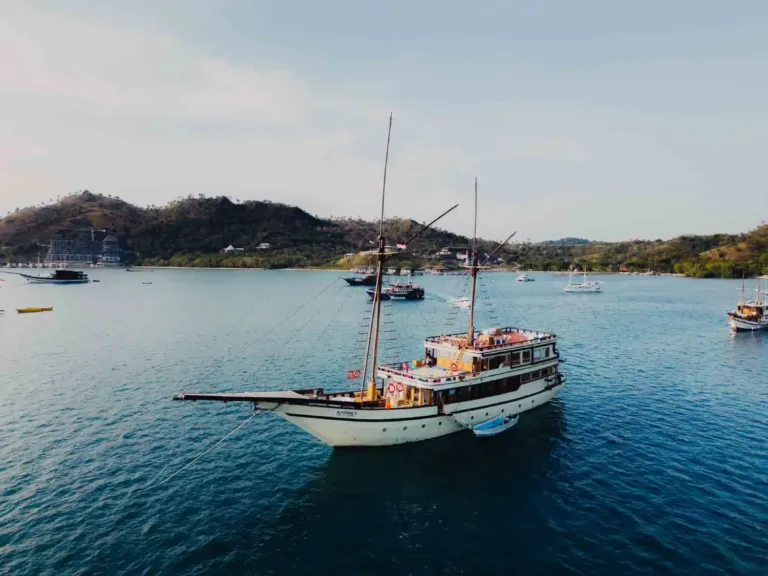
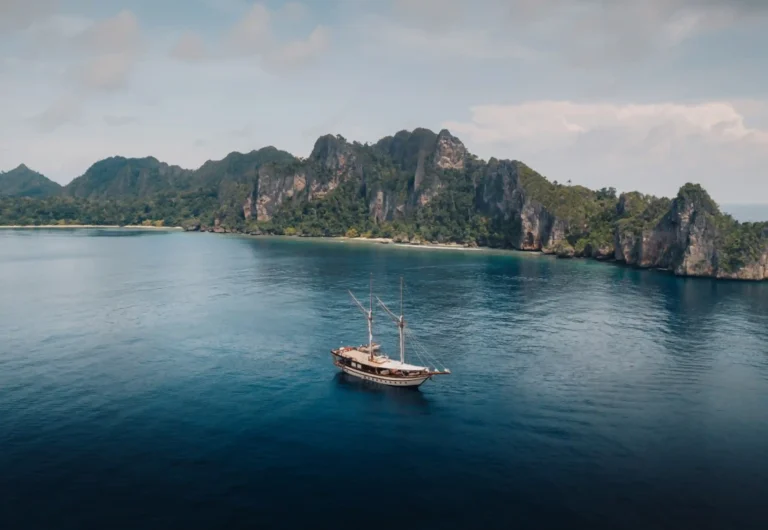
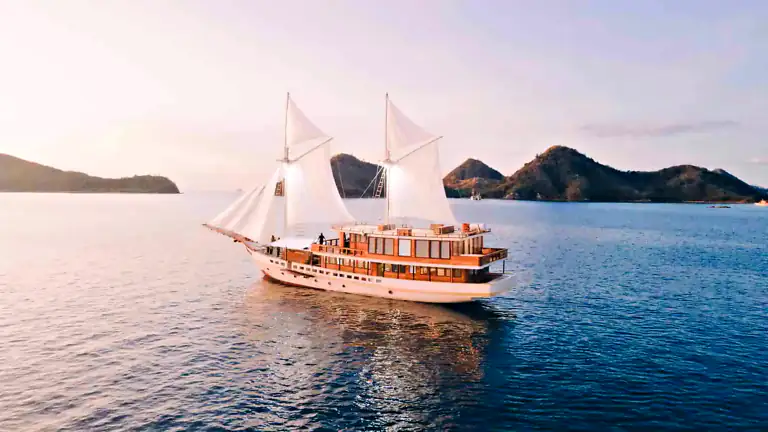
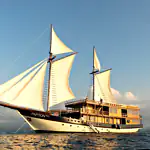
 Elbark Cruise
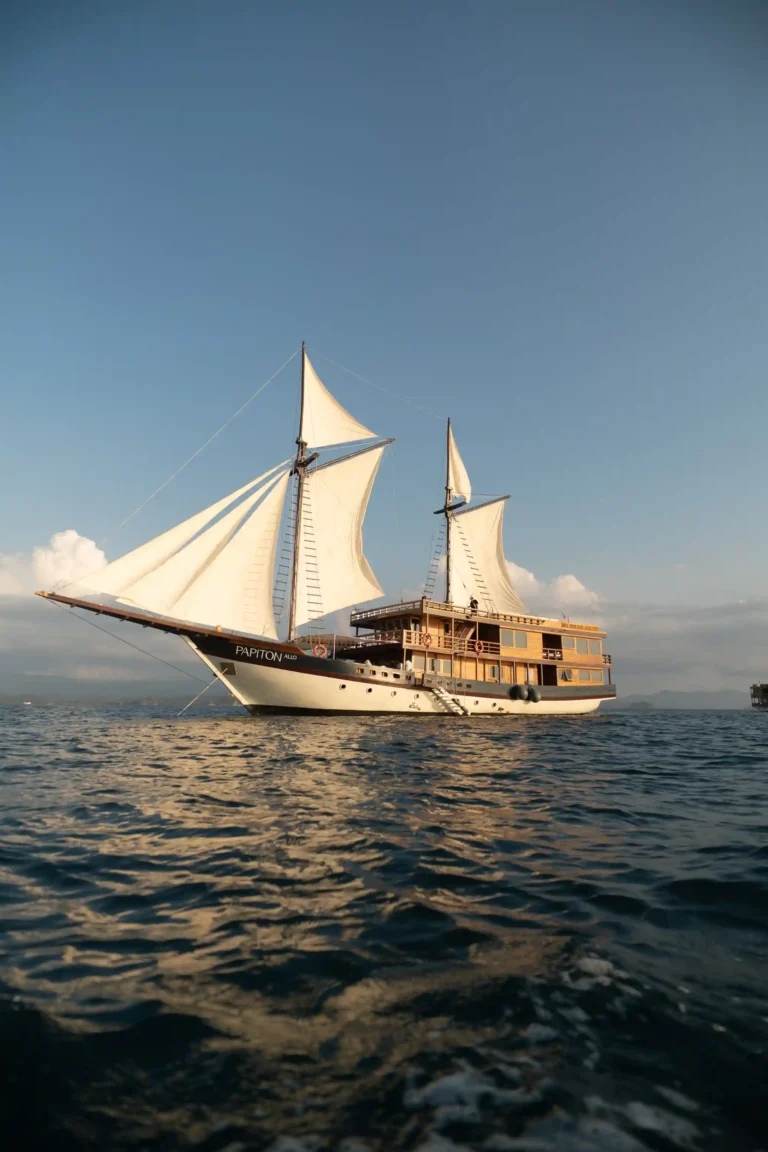
 Papiton Allo
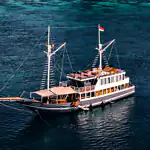 Semesta Voyages
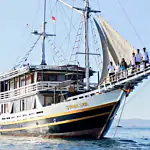 Sukha Sail 1