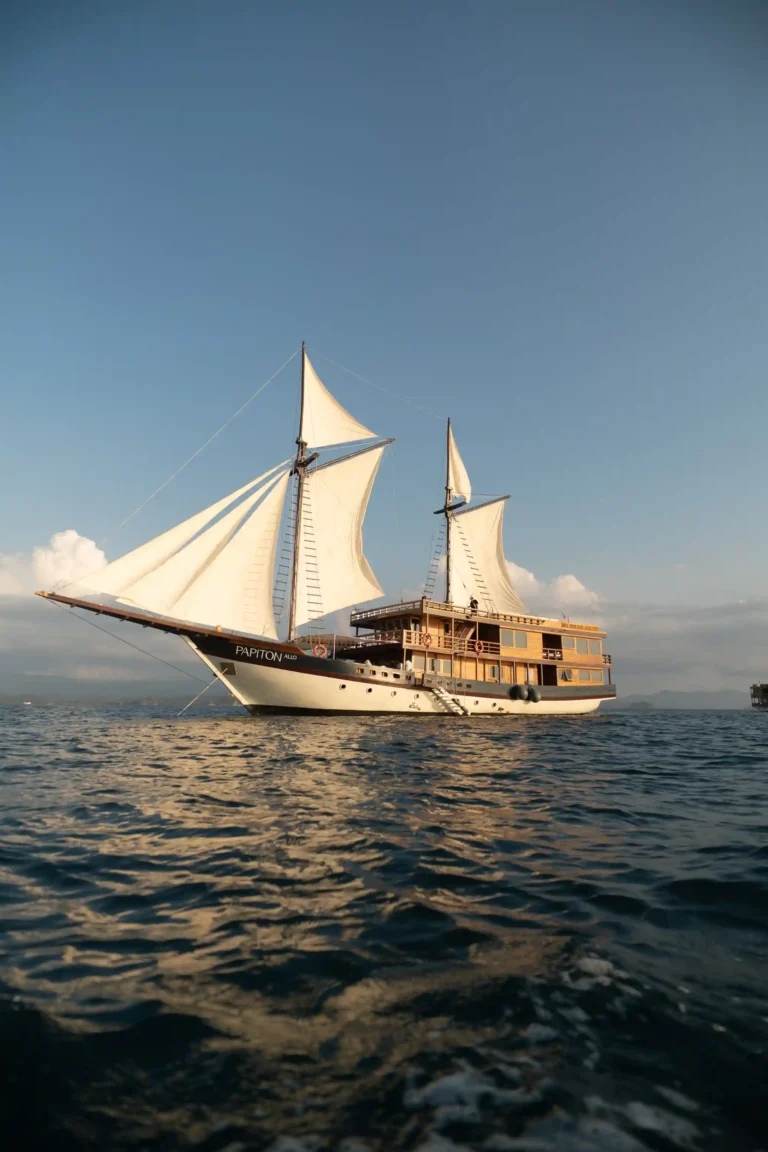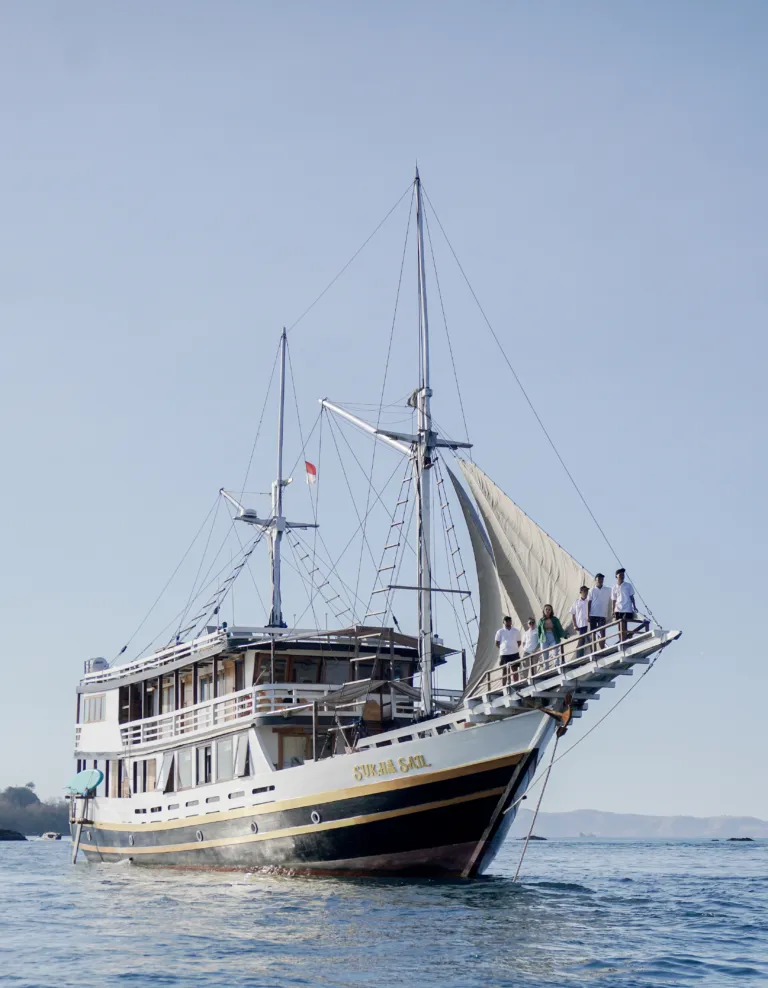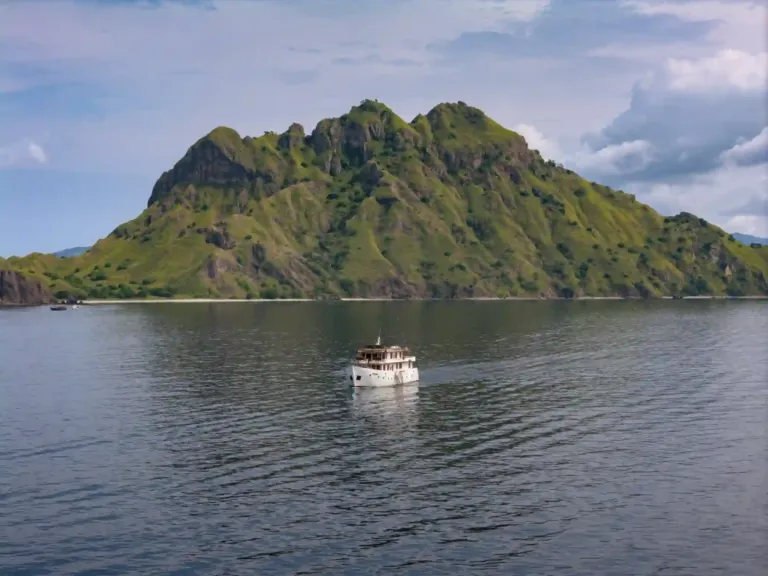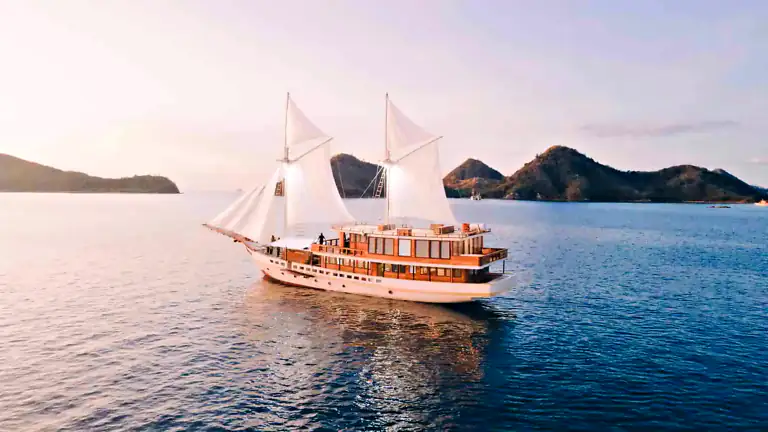
Food on a liveaboard is one of the questions guests ask most before a trip to Komodo, and one of the things they talk about most afterwards. You eat three meals a day on board, plus an afternoon snack, cooked in a small galley while the boat sails between the islands. This guide explains what is included on most boats, what a typical day of meals looks like, which Indonesian dishes you may try, what to drink and how to arrange special diets.
In short
- On most boats on this site, breakfast, lunch and dinner are included, with an afternoon snack and juices.
- Drinking water, coffee and tea are included; alcoholic drinks are paid separately.
- Meals mix Indonesian and international dishes, often with fresh fruit and fish.
- Tell us about dietary needs when you book, so the kitchen can plan before the boat leaves.
What is included: food and drinks on board
On almost every boat on this site, the price of a sharing trip includes three meals a day, breakfast, lunch and dinner, along with drinking water, coffee and tea. Most boats also serve an afternoon snack with juices, and a few include soft drinks. On a private charter, the same meals and drinks are included on most boats, with the timing set around your own plans.
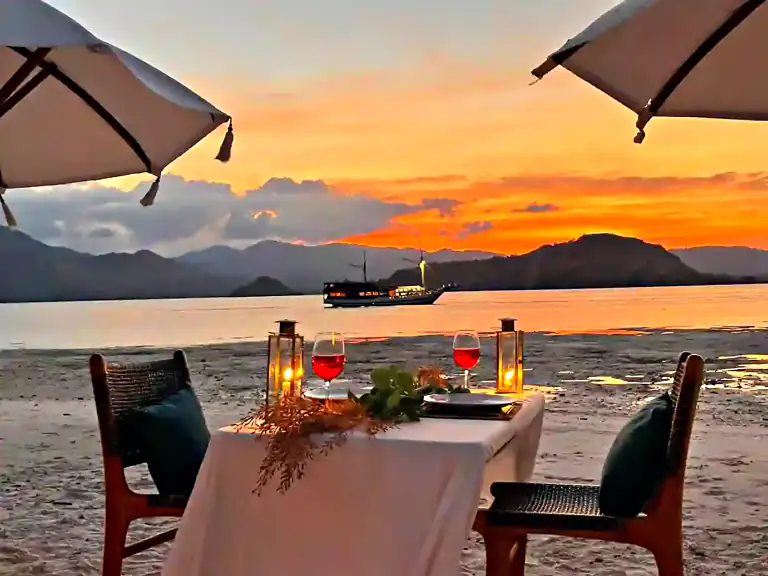
Alcoholic drinks, such as beer, wine and spirits, are not included and are paid separately, as are personal expenses. The exact list of what is included is shown on each boat page, so check it when you compare boats. On one boat on this site, a dinner on the beach is part of the trip, which shows how much the details can differ from boat to boat.
On a private charter, the boat is yours, so the meals can follow your plans: an earlier breakfast before a long walk, a late lunch after an extra snorkel or dinner on deck at the time you like. Tell us your wishes when you send your request, and the crew will plan around them.
Breakfast: an early start
Days on a Komodo liveaboard start early, often with a climb on Padar before sunrise, so breakfast usually comes after the first activity of the day. Coffee and tea are ready before you leave, and a proper breakfast waits when you come back on board, hungry and happy.
If you find it hard to climb on an empty stomach, take a banana or a biscuit with your coffee before you go ashore. The climb on Padar takes around 30 to 45 minutes, and a small snack and a bottle of water make it much easier in the warm morning air.
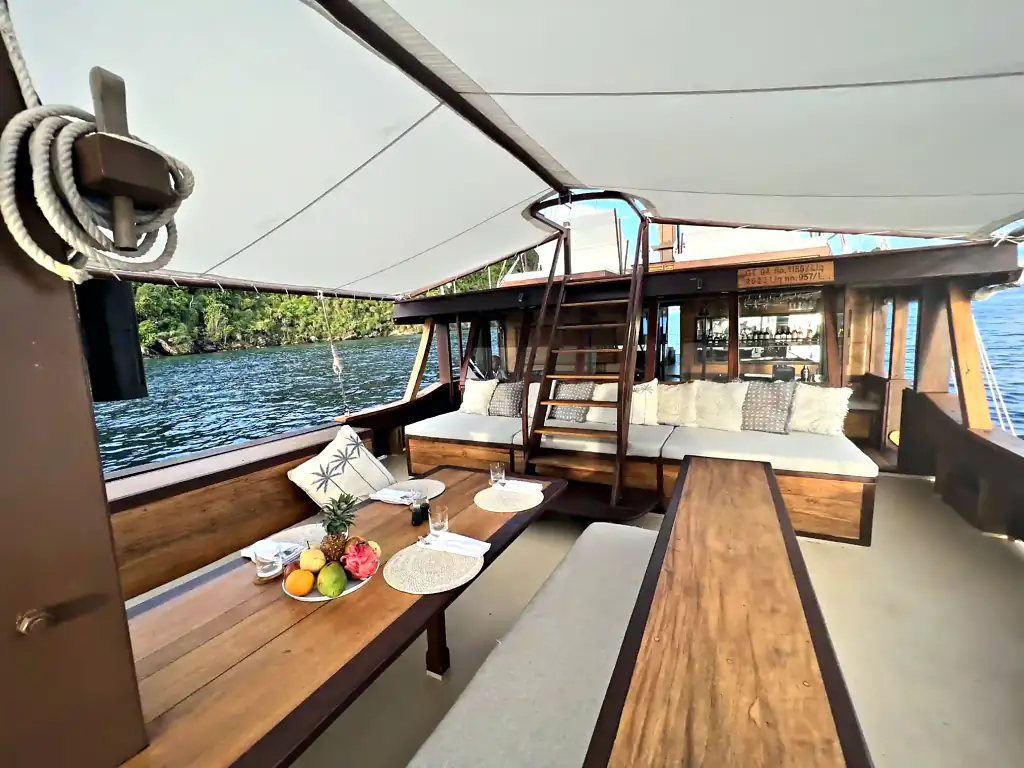
A typical breakfast on board may include eggs cooked to order, toast, pancakes, fried rice or noodles, and a plate of tropical fruit such as papaya, banana, pineapple and watermelon. It is a relaxed meal, often eaten on deck while the boat sails to the next stop, and a good moment to talk over the sunrise and plan the day with the guide.
Lunch between the stops
Lunch is usually served on board around midday, between the morning stops and the afternoon ones, often while the boat moves to the next anchorage. It is often the largest meal of the day, served family style, with several dishes on the table for everyone to share: rice, a vegetable dish, a fish or chicken dish, perhaps tofu or tempeh, soup and a sambal for those who like it hot.
After a morning of hiking and snorkelling, lunch is also a time to rest. Many guests take a nap in the cabin or on a daybed afterwards, while the boat sails through the heat of the day.
On the first day, lunch is often the first meal on board, served soon after the boat leaves Labuan Bajo. It is a good time to meet the other guests and the crew, and to tell the guide about anything you do not eat, if you have not done so already.

Afternoon snack and juices
Between the last snorkel and sunset comes one of the most popular moments of the day: the afternoon snack. On most boats it comes with juices, and it is often something sweet and local, such as fried bananas, small cakes or pancakes, or simply a plate of fresh fruit.
It is served on deck as the light turns golden, and it fills the gap nicely until dinner. After a long swim in the sea, a cold juice and something sweet taste better than anything you could buy in town.
If there is a snack from home you cannot live without, bring a few, but do not overpack: most guests find there is more than enough food on board, and that the days are so full that the next meal always seems to arrive just in time.
Dinner at anchor
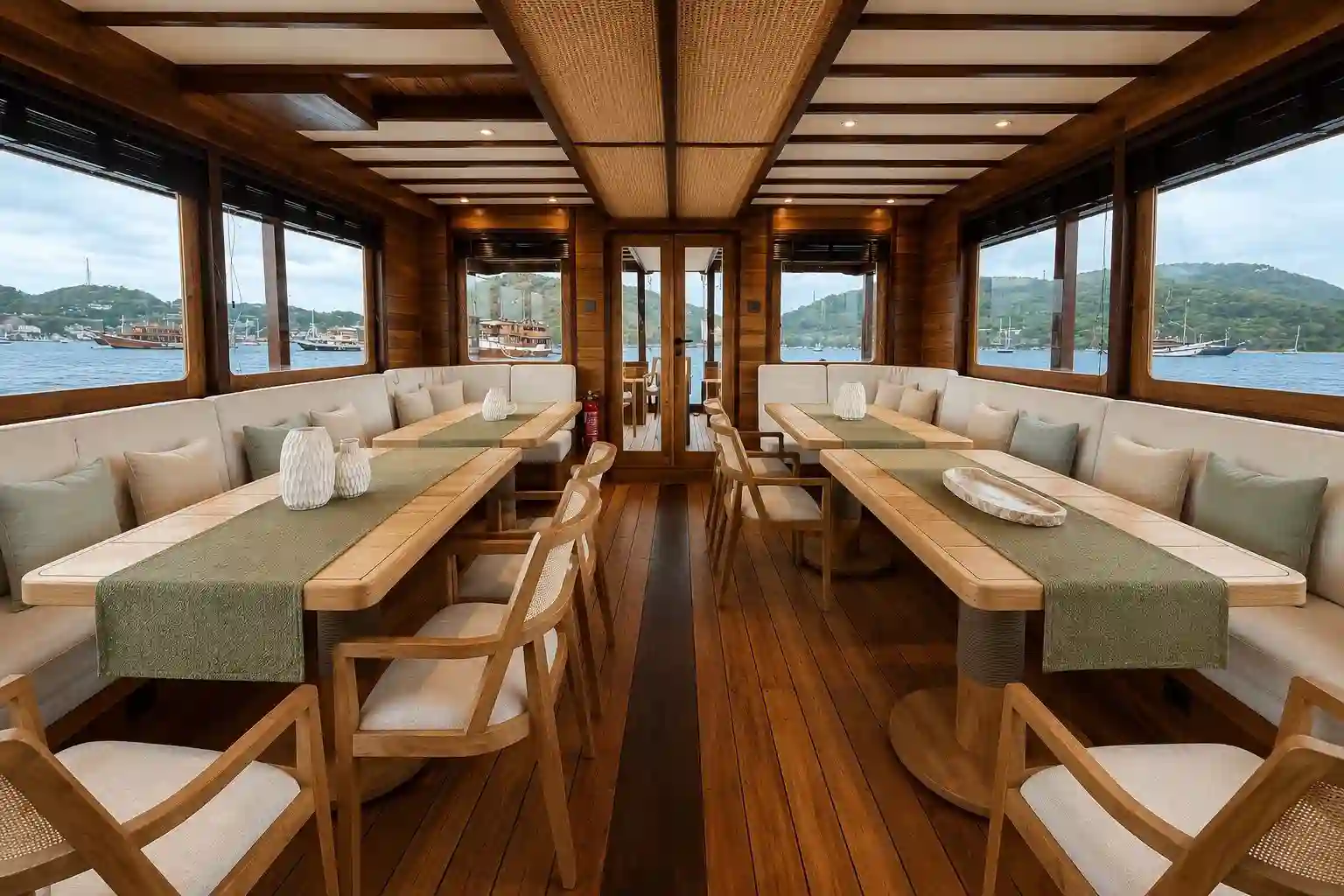
Dinner is served once the boat is at anchor for the night, usually at a shared table, on deck or in the dining area. It is the most relaxed meal of the day, with the sea still around you and the stars coming out overhead. Like lunch, it is often several dishes to share, and fresh fish may appear on the table when the cook has found a good catch.
Dinner is also when the group comes together. Guests share their photos of the day, the guide explains tomorrow’s plan, and the conversation often runs long after the plates are cleared. If you are celebrating a birthday or an anniversary on board, tell us when you book; the crew loves an occasion.
Dessert is often simple: a plate of fresh tropical fruit, or something sweet from the galley. After a full day in the sun and the sea, most guests find that simple food tastes best, and that they sleep very well after it.
When the boat anchors near mangroves, such as at Kalong Island, a long-sleeved top and some insect repellent make dinner on deck more comfortable in the evening.
Indonesian dishes you may try
Every boat has its own menu, but many serve a mix of Indonesian dishes and simple international food. Here are some of the Indonesian favourites you may find on the table:
- Nasi goreng: fried rice with garlic, shallots and sweet soy sauce, often topped with a fried egg.
- Mie goreng: fried noodles with vegetables and egg.
- Gado-gado: vegetables, tofu, tempeh and egg with a peanut sauce.
- Sate: small skewers of grilled chicken or meat with peanut sauce.
- Ikan bakar: grilled fish with a spicy sauce and lime.
- Tempeh and tofu: fried or cooked in a sauce, and a good source of protein for vegetarians.
- Sambal: the chilli sauce that comes with almost every meal, from mild to very hot.
- Pisang goreng: fried bananas, a classic afternoon snack.
- Kerupuk: light, crunchy crackers served on the side of many meals.
Rice comes with almost every lunch and dinner. In Indonesia, a meal without rice hardly feels like a meal, and the dishes are made to be eaten with it, a spoonful of rice with a little of each dish on the table.
If you are not used to spicy food, do not worry: the sambal is usually served on the side, so you add as much heat as you like. Ask the crew for the names of the dishes; they are usually happy to explain how they are made.

Drinks on board: water, coffee, tea and more
Drinking water, coffee and tea are included on almost every boat, and you can help yourself through the day. Bring a reusable bottle and refill it, so you drink enough in the sun and avoid plastic bottles. Indonesian coffee is strong and good, and many boats serve it black or with sweet condensed milk.
Flores itself is known for its coffee, grown in the cool highlands of the island, including the Manggarai region around Labuan Bajo. If you like coffee, look for a bag of Flores beans in town before or after your trip; it is one of the best souvenirs you can take home.
Alcoholic drinks are not included on any boat on this site. Some boats have a bar and sell beer, wine or spirits on board; others do not, so ask before your trip what is available and whether you may bring your own. A cold beer at sunset is part of the trip for many guests, but in the heat, water is what your body needs most.
Special diets and allergies
Vegetarians usually eat well on board, because Indonesian cooking has many dishes based on vegetables, tofu and tempeh. Vegan, gluten-free, halal or other diets, and food allergies, need more planning, because the boat buys its supplies before it leaves Labuan Bajo and there are no shops among the islands.
When you book online, the booking form has a notes field for dietary needs, celebrations and questions. Use it, and be specific: “no peanuts, severe allergy” is far more useful to a cook than “allergies”. If you have a serious allergy, bring your own medicine, tell the guide on the first day and consider packing a few safe snacks of your own.
Food for children
Children usually find plenty to like on board: rice, noodles, eggs, pancakes, fried chicken and fresh fruit are rarely refused. If your child is a fussy eater, mention it in the booking notes and pack a few familiar snacks, because there is nowhere to buy them once the boat has left. Plenty of water matters even more for children in the heat.
The galley: how a small kitchen feeds everyone
The kitchen on a boat is called the galley, and on a phinisi it is small, hot and busy. The cook and the kitchen crew prepare every meal for the guests and the crew in a space smaller than most home kitchens, often while the boat is moving. Fresh supplies are bought in Labuan Bajo before departure, and the menu is planned around what keeps well at sea.
That is also why meals come at set times, and why the crew may ask you to tell them early if you will skip a meal. If you are curious, ask whether you may take a look at the galley when the cook is not busy; seeing what comes out of such a small space makes every meal taste even better.

Eating well at sea
Sun, salt water and long days burn more energy than you think, so eat well and drink plenty of water. If you are prone to seasickness, eat something light before the longer crossings, avoid heavy or greasy food just before you sail and stay on deck in the fresh air, looking at the horizon. Ginger, in tea or sweets, helps some people.
Go easy on alcohol during the day. Sun, heat and alcohol dehydrate you quickly, and alcohol and snorkelling in currents do not mix. Save the cold beer for sunset, when the swimming is over for the day.
Wash your hands before meals, especially after the dragon walk and the beach stops, and keep a small bottle of hand sanitiser in your day bag. The water from the taps on board is for washing, not for drinking, so use the drinking water provided for your bottle.
A sample day of meals
Every boat plans its own menu, so this is only an example of what a full day of meals on board could look like on the second day of a trip of 3 days and 2 nights:
| Meal | When | What it could be |
|---|---|---|
| Coffee and tea | Before the Padar climb | Coffee, tea and a light bite |
| Breakfast | After the climb | Eggs, toast or pancakes, fried rice, fresh fruit |
| Lunch | Around midday | Rice, vegetables, fish or chicken, tofu or tempeh, soup, sambal |
| Afternoon snack | Before sunset | Fried bananas or cake, fruit, juice |
| Dinner | At anchor | Several dishes to share, often with fish, and fruit for dessert |
The timing moves with the stops, the tides and the weather, and the crew will tell you when each meal is ready. Our guide to the trip of 3 days and 2 nights shows the stops around which the meals are planned.
9 things to know about food on board
- Three meals a day are included on almost every boat, plus an afternoon snack on most.
- Water, coffee and tea are included; bring a reusable bottle.
- Alcohol is extra, and not every boat sells it.
- Meals are shared, usually family style at one table.
- Breakfast often comes after the sunrise climb.
- The sambal is on the side, so you control the heat.
- Tell us about diets and allergies in the booking notes.
- There are no shops at sea, so bring any special snacks you need.
- Say thank you to the cook; “terima kasih” works wonders.
Our view
Food on a liveaboard is simple, fresh and generous, and it is part of what makes a few days on a boat feel like a holiday. You never have to think about where to eat, the meals fit around the stops, and sharing a table with the other guests at anchor is one of the nicest parts of the trip. Komodo National Park has been a UNESCO World Heritage Site since 1991, and few restaurants anywhere have a view like a dinner table at anchor between its islands.
The best seat in Komodo is at the dinner table, at anchor, with the sea all around you.
Ready to compare boats? Each boat page lists what is included, and our guide to choosing a Komodo liveaboard helps you weigh the cabins, the decks and the route. For what to pack, see our Komodo packing list.
Questions
Are meals included on a Komodo liveaboard?
Yes. On almost every boat on this site, breakfast, lunch and dinner are included, and most boats add an afternoon snack with juices.
Is drinking water included?
Yes, along with coffee and tea. Bring a reusable bottle to refill.
Can I bring my own alcohol?
It depends on the boat. Alcohol is not included in any trip on this site, so ask before your trip what the boat sells and what it allows.
Is the food spicy?
Usually not very. The chilli sauce, sambal, is served on the side, so you choose how hot your food is.
Can the boat cater for vegetarians?
Usually yes, with dishes based on vegetables, tofu and tempeh. Tell us in the booking notes so the kitchen can plan.
What if I have a food allergy?
Write it clearly in the booking notes, tell the guide on the first day, bring your own medicine and consider packing a few safe snacks.
Where do I eat before and after the trip?
In Labuan Bajo, which has restaurants and cafés for every budget, from local warungs to places with a sunset view over the harbour. Meals in town are not part of the trip price.
Should I tip the cook?
Tips for the crew are not included in the price and are a personal choice. Many guests leave a tip for the crew at the end of the trip, in rupiah cash.
Can I drink the tap water on board?
No. Use the drinking water provided on board for drinking and for your bottle; the water from the taps is for washing.
 Elbark Cruise
 Papiton Allo
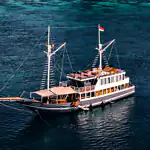 Semesta Voyages
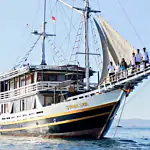 Sukha Sail 1