The heat in Komodo surprises many visitors. The park lies a few hundred kilometres from the equator, the sun is strong all year, the air is humid and the famous hills, from Padar to Rinca, have little shade. On a boat, the sea breeze keeps you comfortable; on a steep climb at midday, the same day can feel very different. This guide explains how hot Komodo really gets, which months are hottest, how the trips are planned around the heat and how to stay cool, safe and well on the trails and on the boat.
This is general information, not medical advice. If you have a heart condition, diabetes, kidney disease or take regular medication, ask your doctor how heat affects you before you travel.
In short
- Daytime temperatures reach about 30 to 33°C all year, with high humidity.
- October and November are the hottest months; June to August are a little cooler at night.
- Walk early, rest in the shade at midday and drink when you are thirsty.
- Know the signs of heat exhaustion and tell the guide at once if you feel unwell.
How hot is Komodo?
Hot and humid, all year round. According to Weather Spark’s averages for Labuan Bajo, the temperature usually ranges from about 21°C at night to about 33°C in the afternoon, and rarely goes above 34°C. The same data describes the climate as hot and oppressive year round, with muggy air almost all the time.
Those numbers do not sound extreme, but they are only part of the picture. The humidity makes it harder for sweat to cool you, the tropical sun is strong in the middle of the day, and on the open hills there is little shade and often little wind. The temperature you feel on a dusty trail at noon is far higher than the figure in a weather app.
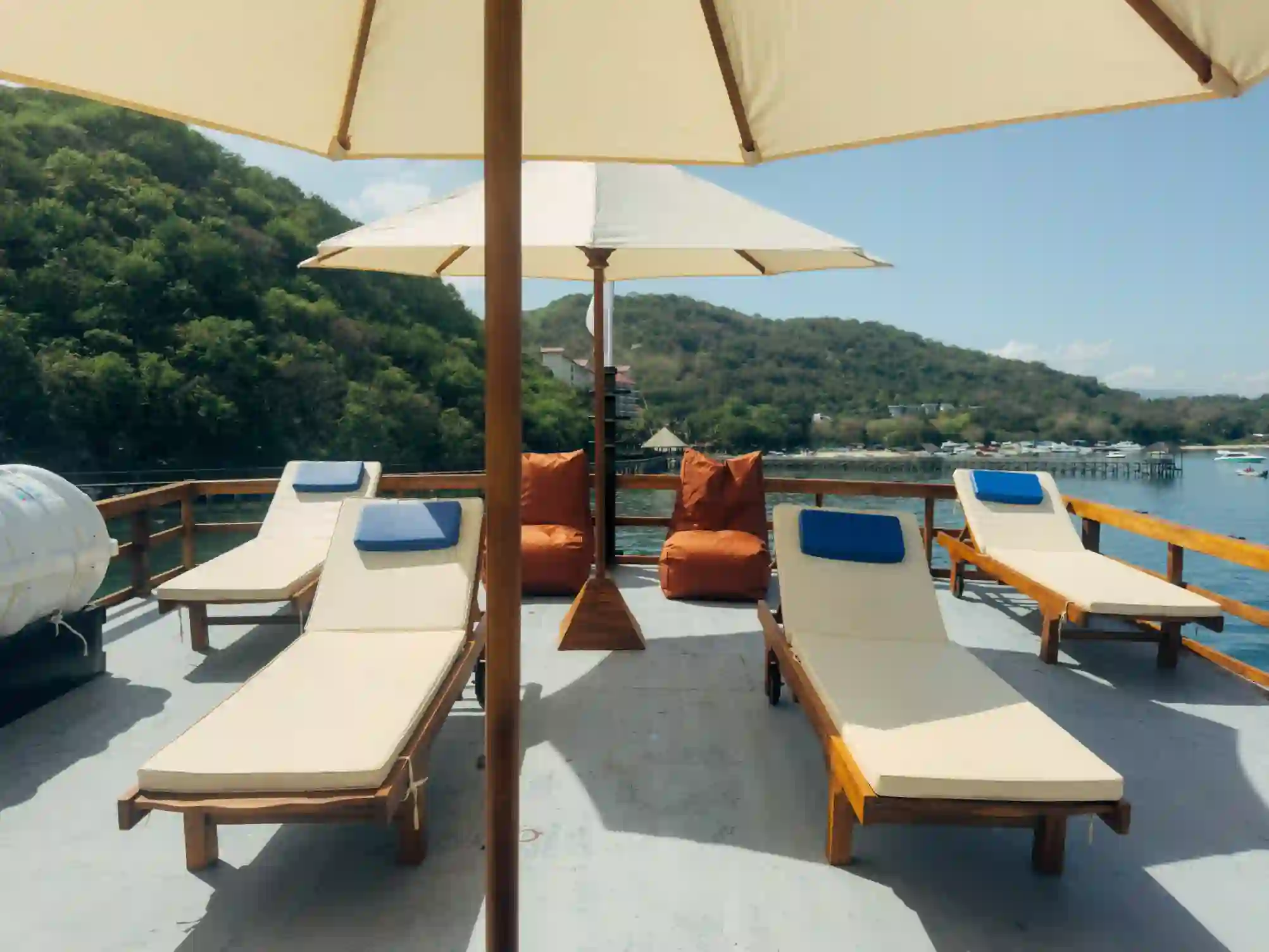
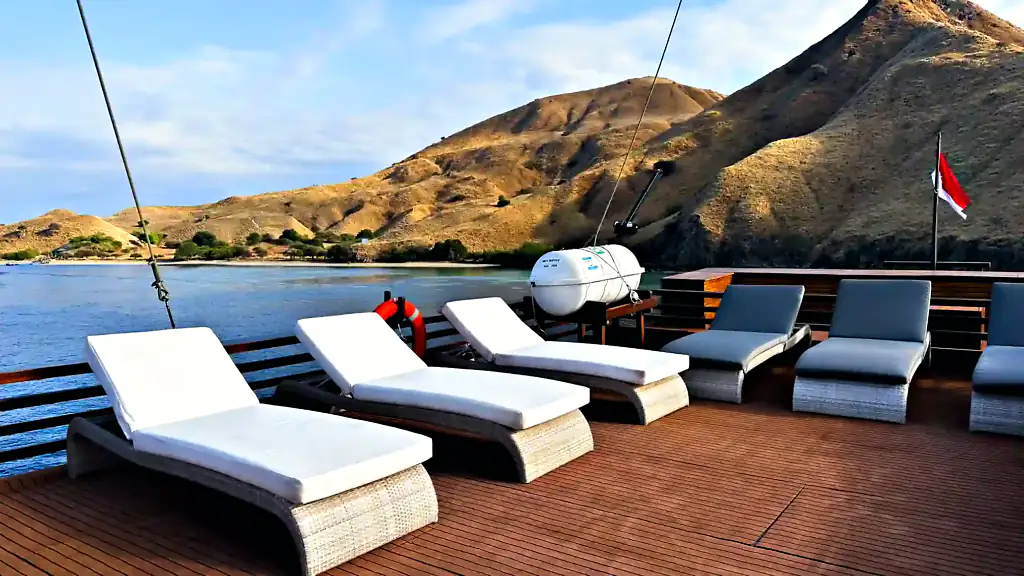
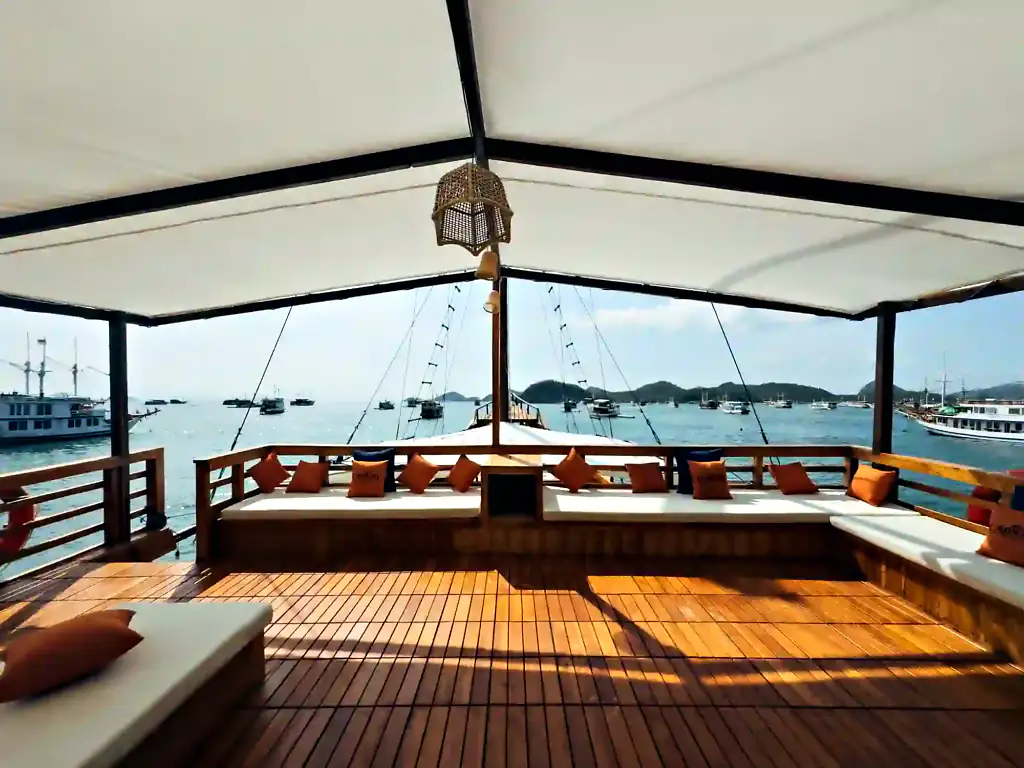
On the water, things are easier. A breeze crosses the deck while the boat sails, the sea is warm but refreshing, and every boat on this site has air-conditioned cabins to retreat to. Most of the heat in Komodo is felt on land, on the walks and climbs, and that is where a little planning helps most.
The hottest and coolest months
Komodo is warm in every month, but there are differences. The table shows the typical range for a few key times of year, from Weather Spark’s long-term averages, rounded.
| Time of year | Typical range | What it feels like |
|---|---|---|
| January | About 24 to 30°C | Humid and cloudy, with showers |
| Early August | About 21 to 31°C | The coolest nights, dry and clear |
| Late October | About 24 to 33°C | The hottest time of year, dry and bright |
| November | About 24 to 32°C | Hot and humid, as the rains return |
The middle of the dry season, from June to August, brings the coolest nights and fresher mornings, which make the early walks more pleasant. The end of the dry season, in October and November, is the hottest and brightest time, with dry hills that reflect the heat. In the wet season, from December to March, the clouds take the edge off the sun, but the humidity rises. Our guide to the best time for a Komodo liveaboard goes through every month.
How the trips are planned around the heat
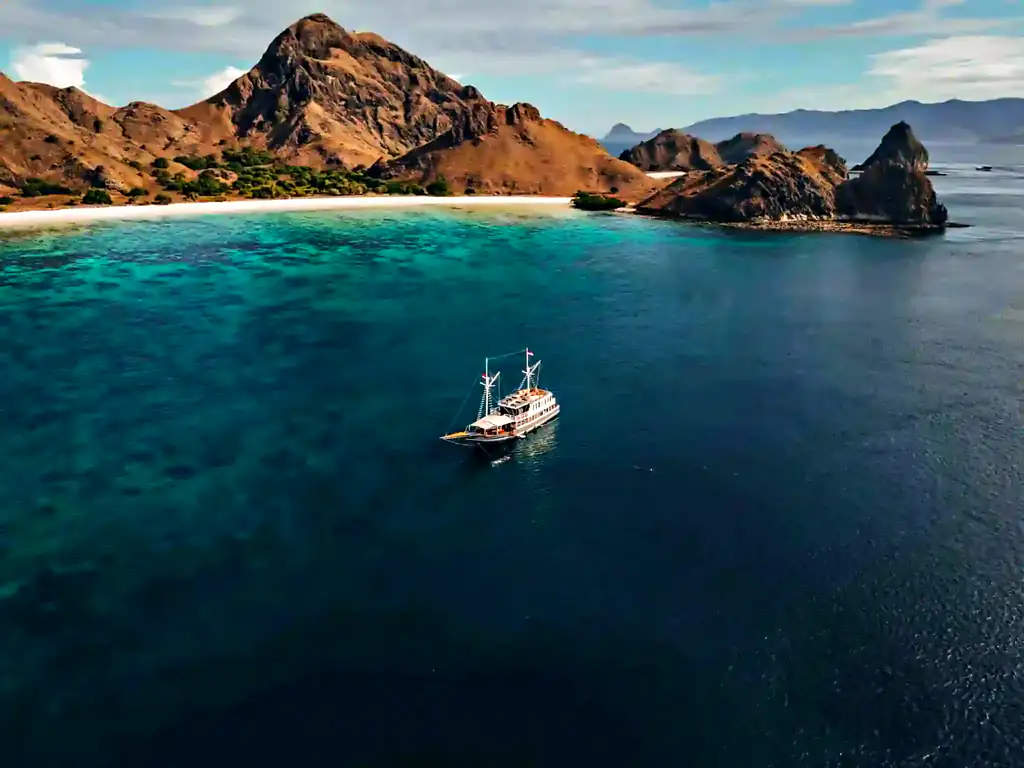
The boats know the heat in Komodo well, and the classic itinerary is built around it. The climb up Padar starts before sunrise, when the air is at its coolest. The dragon walks on Komodo and Rinca usually take place in the morning, and the middle of the day is spent sailing, at a beach or in the water. In the late afternoon, as the heat eases, comes a short climb such as Kelor or a sunset from the deck.
Follow that rhythm, and you avoid the worst of the heat without missing anything. Our guide to a day on a Komodo liveaboard shows the full schedule. If the morning is unusually hot, the guide may shorten a walk or change the order of the stops, and it is worth asking for that if you are struggling.
The early starts are part of the deal. The wake-up call before Padar comes as early as 4:00 on some boats, and it is easy to grumble in the dark. By the time the sun is fully up and the trail is baking, you will be glad you went early.
Staying cool on the treks
The climbs on Padar and Kelor are short but steep, on steps and dusty paths with little shade, and most of the effort comes in the first part of the walk. Go at your own pace, stop in any shade you find, and remember that you do not need to reach the top of Padar: the first viewpoints already show the famous bays. Our guides to Padar Island and Kelor Island describe each climb.
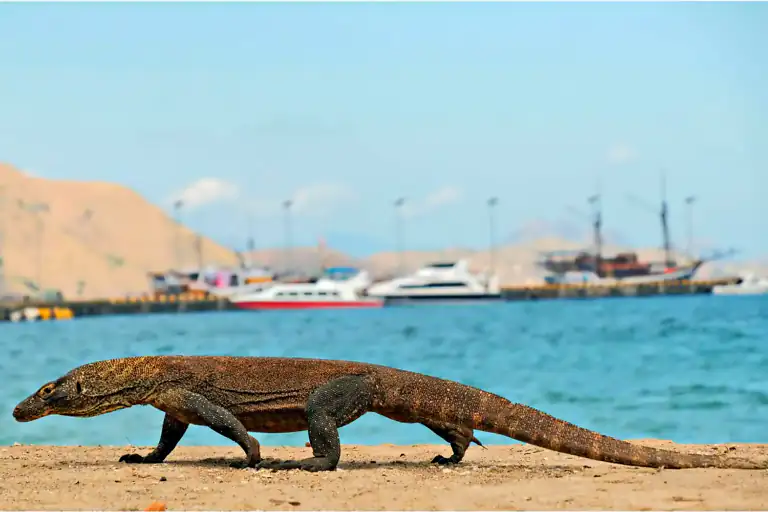
On the dragon walks, the short loop near the ranger station on Komodo Island runs partly in the shade of tamarind trees, and the walk on Rinca is gentle and mostly level. In the heat of the day, choose the shorter route; the dragons often rest close to the stations anyway.
Carry water on every walk, even a short one, and drink before you set off. Wet a cloth or a buff and wear it around your neck, and soak your hat in seawater before a climb if you like the feeling. Take breaks before you need them, not after, and turn back if the heat becomes too much: the view from the boat is beautiful too.
What to wear
The CDC’s chapter on heat illness in travellers recommends lightweight, loose, light-coloured clothing that lets the air move around your body, and notes that a wide-brimmed hat markedly reduces the heat from the sun. Those two tips matter more than anything else you pack.
- A wide-brimmed hat rather than a cap, to shade your face, ears and neck.
- A loose, light-coloured shirt with long sleeves, in linen or a technical fabric.
- Light trousers or long shorts that dry quickly.
- Closed shoes with a good grip for the dusty steps, not flip-flops.
- Sunglasses that block UV light.
- A rash guard or a long-sleeved swim shirt for snorkelling in the sun.
Our Komodo packing list covers everything else to bring, including reef-safe sunscreen.
Drinking, eating and salt
You lose a lot of water and salt in the heat. The CDC notes that sweat rates can reach about a litre an hour during hard exercise in hot conditions, so drinking regularly matters. But more is not always better: the CDC advises drinking enough to relieve your thirst, and warns that forcing large amounts of water on someone who is not thirsty can cause a dangerous drop in the body’s salt levels.
The simple rule is to drink when you are thirsty, and a little before a climb. Eat your meals, because food replaces the salt you sweat out, and keep a salty snack in your bag for the walks. On the boats on this site, mineral water, coffee and tea are included all day, with juices in the afternoon, so there is no reason to run short. Our guide to food on a liveaboard explains what is served.
Go easy on alcohol and very sugary drinks in the heat of the day. Save the cold beer for the sunset, when the work of the day is done and the air is cooling.
Getting used to the heat
The body adapts to heat, but it takes time. The CDC explains that full acclimatisation needs about one to two hours of exercise in the heat each day, with most of the change happening within ten days, and that simply being in a hot place gives only part of the benefit. Few visitors have that time before a three-day trip.
If you arrive from a cool climate, the advice is to take it easy in the first days: shorter walks, slower climbs and more rest. Arriving in Labuan Bajo a day or two before the boat helps, and so does staying active at home in the weeks before the trip, because fitter travellers cope better with exercise in any temperature.
Who is most at risk
Anyone can suffer in the heat, but some travellers need more care. The CDC lists heart disease, diabetes, kidney disease, some medicines, skin conditions that limit sweating, very young or older age, a high body weight, an infection and dehydration among the risk factors, as well as travellers from cooler climates who are not in good condition.
Children heat up quickly and do not always notice that they are thirsty, so offer them water often and keep them in the shade. Older travellers should plan the walks for the cool hours and rest in the middle of the day. Our guides to Komodo with kids and Komodo for seniors cover both in more detail.
Heat exhaustion and heat stroke
Heat exhaustion is the most common heat illness. According to the CDC, it can cause weakness, tiredness, headache, dizziness, nausea, vomiting and diarrhoea, and sometimes irritability or confusion. Stop, rest lying down in the shade or a cool place, and drink water or a mix of water with a little salt and sugar. Recovery usually takes a few hours. Tell the guide straight away, because heat exhaustion can turn into heat stroke if you carry on.
Heat stroke is a medical emergency. The CDC describes a body temperature of 41°C or more with marked changes in behaviour, such as confusion, fits or loss of consciousness. Cool the person at once: move them into the shade, remove excess clothing, sponge or spray them with water while fanning, and put cold packs on the neck, armpits and groin. Do not wait for help to arrive before cooling, and get medical care as fast as possible.
The crews and guides are used to the heat and know what to do. The most important step is yours: speak up early. Saying “I need to stop” on the way up a hill is always the right call.
Heat in Komodo, stop by stop
Each stop on a typical trip feels different in the heat. Knowing what to expect helps you plan your energy for the day.
- Padar, before sunrise: the coolest climb of the trip, but steep. Start slowly and keep water for the way down, when the sun is up.
- Komodo and Rinca, in the morning: walks on dry ground with some shade near the stations. Choose the shorter route on a hot day.
- Pink Beach and the sandbars, around midday: bright and exposed. Swim, snorkel and seek shade rather than lying in the sun.
- Kelor, in the afternoon: short and very steep. Wait for the cooler hours if the boat’s plan allows it.
- Sunset on deck: the reward, with a breeze, a cold drink and the heat of the day behind you.
The order of the stops changes from boat to boat and with the tides, so ask the guide each evening what the next day holds and plan your walks and rests around it.
Sun and sunburn
Heat and sun go together in Komodo. The sun is high in the middle of the day all year, the light reflects off the sea and the pale sand, and a sunburn on the first day makes every following day feel hotter and more tiring. Burnt skin also makes it harder to stay cool.
Cover up rather than relying on sunscreen alone: a hat, a long-sleeved shirt on the walks and a rash guard in the water protect you better than any cream. Use a reef-safe sunscreen on the skin you cannot cover, put it on before you go out and again after swimming, and do not forget your ears, neck and the backs of your hands. Our guide to plastic-free travel explains why reef-safe habits matter in the park.
Sunglasses protect your eyes from the glare on the water, and lip balm with sun protection saves your lips in the dry wind. Small things, but on a three-day trip they add up to a much more comfortable time.
Keeping cool on the boat
- Rest in the shade on deck in the middle of the day, where the breeze helps.
- Use the air-conditioned cabin for a nap after a hot morning.
- Take a swim: the sea is the quickest way to cool down.
- Take a cool shower after a walk.
- Keep a water bottle with you and refill it from the boat’s supply.
Sunbathing on the open sun deck at noon is tempting, but it is the fastest route to sunburn and a headache. Enjoy the sun deck at sunrise and sunset, and the shade in between. Our guide to sleeping on deck covers the cooler hours on board after dark.
Our view
The heat in Komodo is part of the place, like the dragons and the dry hills, and it is easy to manage once you respect it. Walk early, rest at midday, wear a wide hat and loose clothes, drink when you are thirsty, eat your meals and speak up the moment you feel unwell. Do that, and the heat becomes a backdrop to some of the finest days you can spend in a UNESCO World Heritage Site protected since 1991.
In Komodo, the early start is not a punishment. It is the coolest hour of the day, and the best light too.
Ready to plan around the seasons? Compare the sharing trips on this site, with their routes, cabins, live prices and departures in every month of the sailing season.
Questions
How hot does it get in Komodo?
Usually between about 21°C at night and 33°C in the afternoon, with high humidity, according to long-term averages for Labuan Bajo.
What is the hottest month in Komodo?
October and November are the hottest, at the end of the dry season. June to August have the coolest nights.
Is the Padar climb hard in the heat?
It is steep, which is why it starts before sunrise, when the air is coolest. Go at your own pace and carry water.
How much water should I drink?
Drink when you are thirsty, and a little before a climb. Forcing large amounts of water is not recommended, and food replaces the salt you lose.
What are the signs of heat exhaustion?
Weakness, tiredness, headache, dizziness and nausea are common. Stop, rest in the shade, drink and tell the guide.
Do the boats have air conditioning?
Yes. Every boat on this site has air-conditioned cabins, and most have shaded decks for the middle of the day.
What should I wear on the treks?
A wide-brimmed hat, a loose, light-coloured shirt, light trousers or shorts and closed shoes with a good grip.
Can I skip a walk if it is too hot?
Yes. Every walk is optional, and you can stay on board or in the shade. Tell the guide, who may also suggest a shorter route.
Is the heat too much for children?
Not if you plan for it. Walk early, keep children in the shade, offer them water often and use the air-conditioned cabin in the middle of the day.
Is it cooler in the wet season?
Slightly, because the clouds block the sun, but the air is more humid. The coolest nights come in the middle of the dry season.
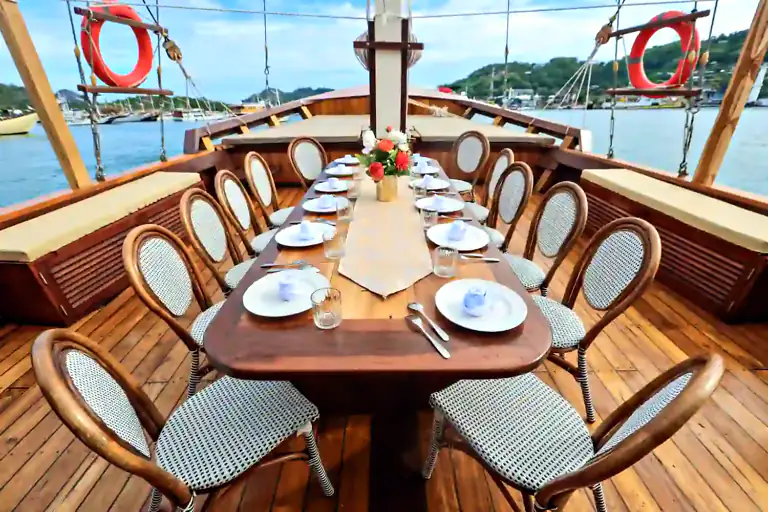
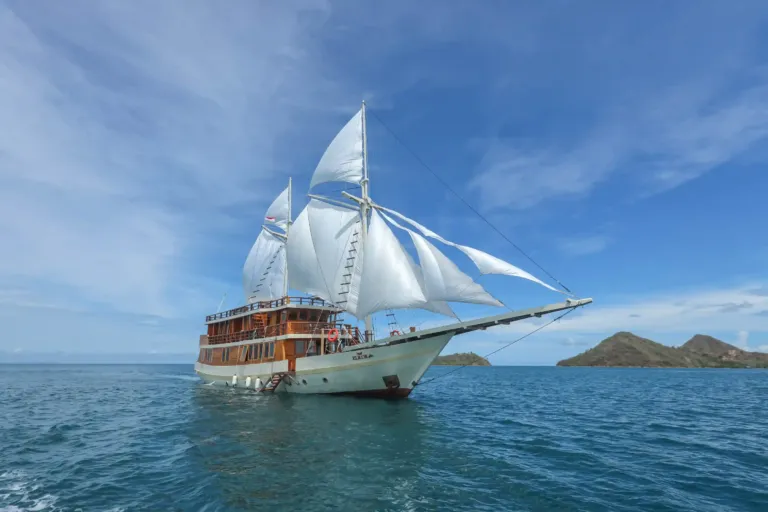
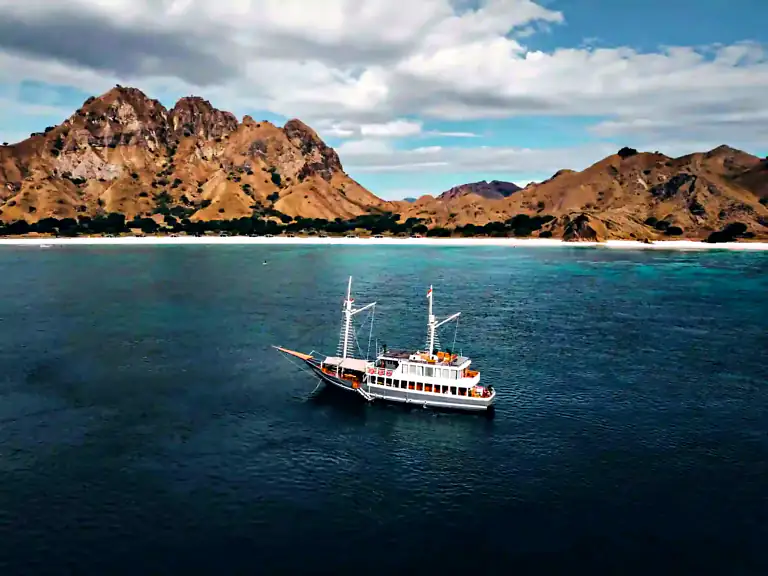
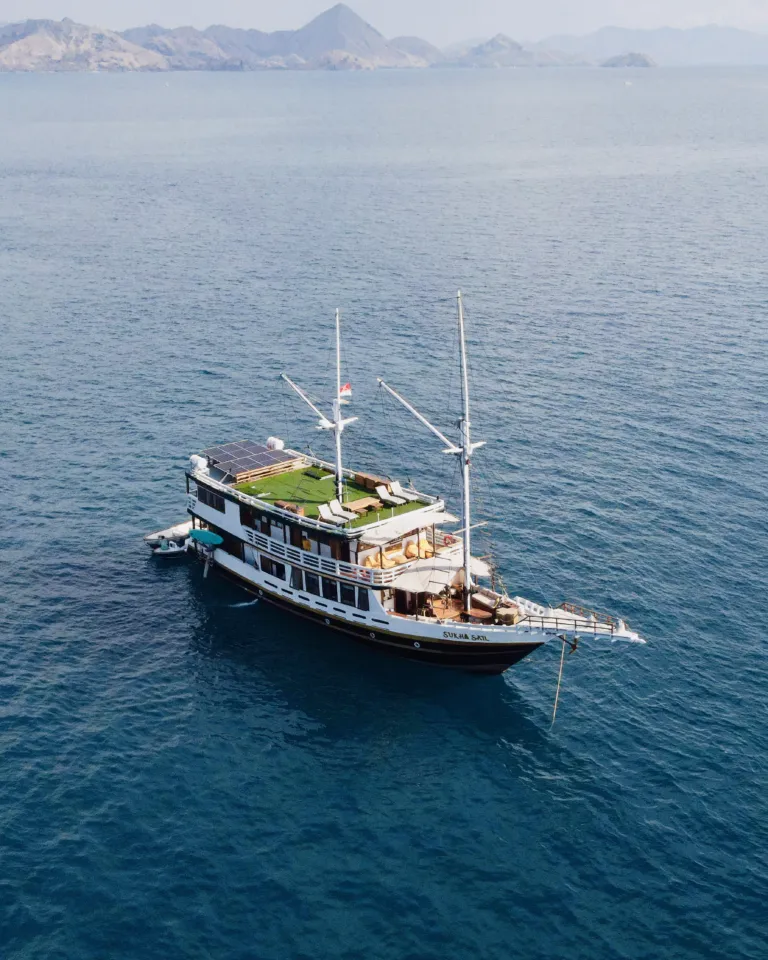
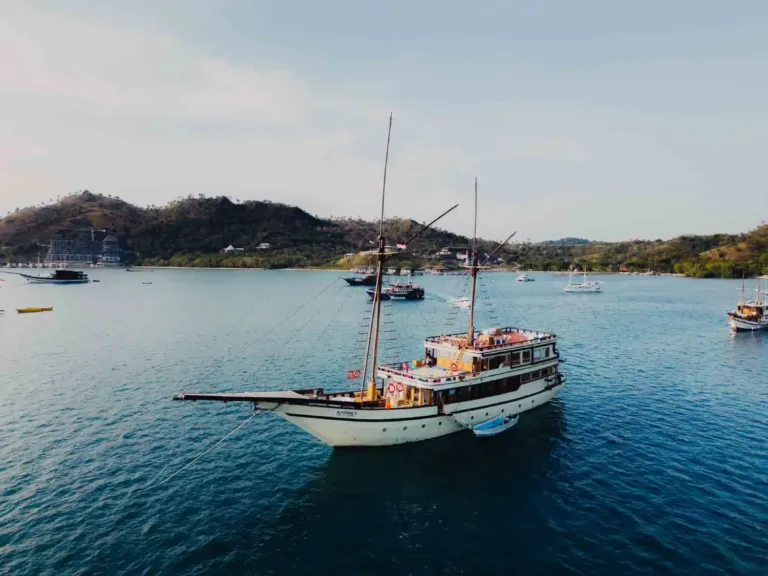
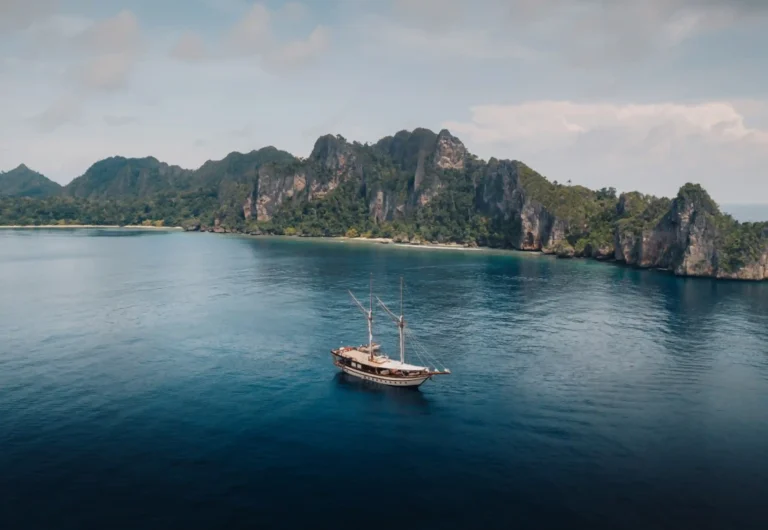
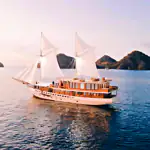 Elbark Cruise
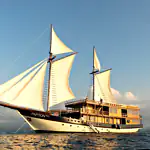 Papiton Allo
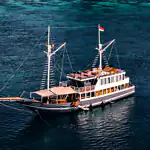 Semesta Voyages
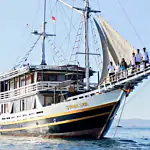 Sukha Sail 1