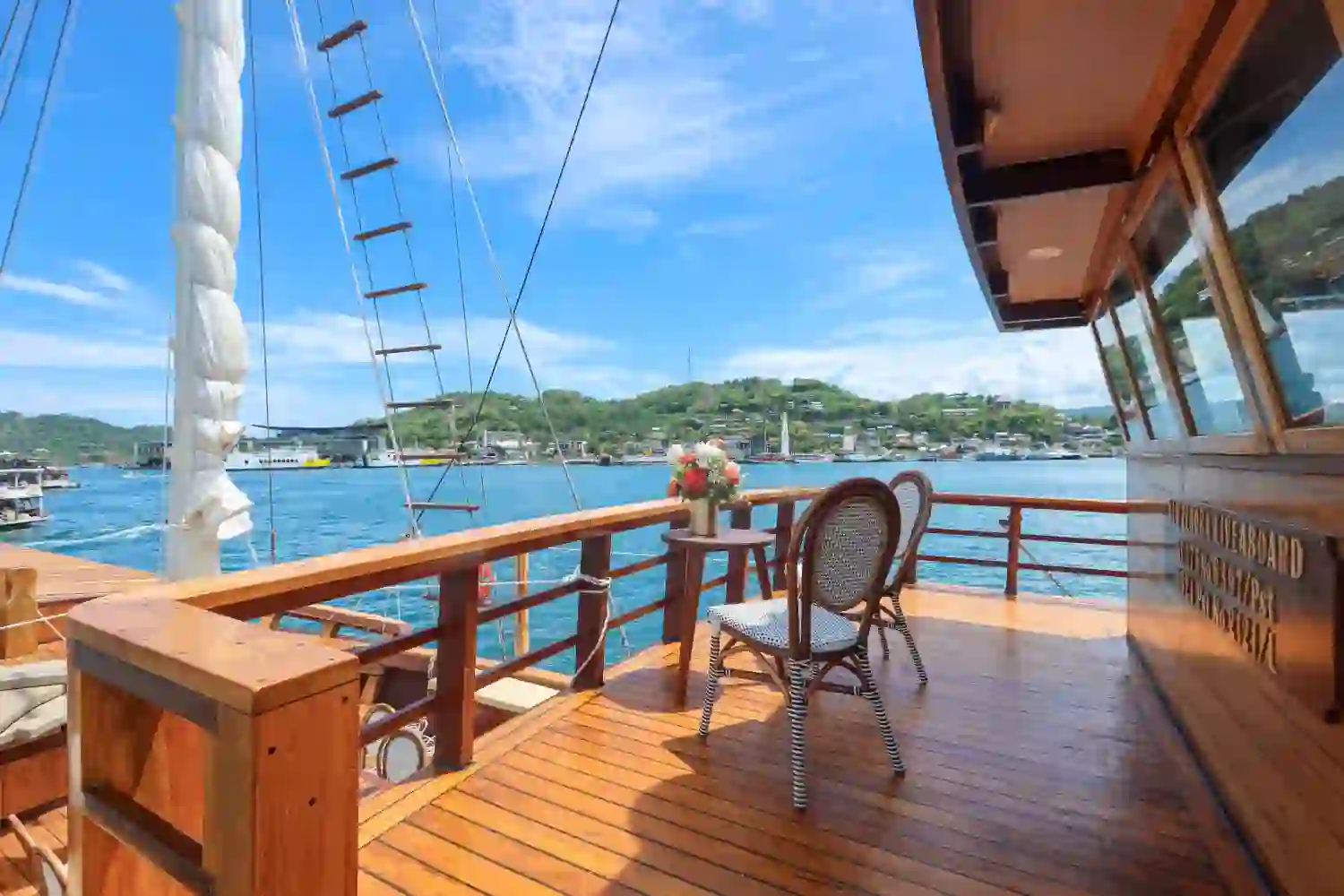
Komodo for seniors is a better match than many people think. You do not need to be an athlete to see the dragons, sail between the islands or watch the sunset from the deck of a phinisi. A liveaboard brings the park to you: you sleep, eat and rest on the boat, and every walk is optional. What helps is a little planning, the right boat and cabin, and an honest look at the heat, the stairs and the steps. This guide is for older travellers who want to enjoy Komodo comfortably and at their own pace.
Every traveller is different, and age says less than health and fitness. If you have a medical condition, talk to your doctor before you book; this guide gives general information, not medical advice.
In short
- The dragon walks on Rinca and Komodo can be gentle; the climbs on Padar and Kelor are steep but optional.
- For seniors, a cabin on the main deck avoids the steepest stairs on board.
- Heat is the biggest challenge: walk early, rest in the shade and drink regularly.
- See your doctor 4 to 6 weeks before you travel and take insurance with medical evacuation.
Komodo for seniors: is it a good fit?
For most healthy older travellers, yes. A Komodo liveaboard is not an expedition: the boat carries you between the islands, the crew cooks every meal, and the cabins have air conditioning and their own bathrooms on most boats. The days start early and the sun is strong, but you choose how much you do, and you can rest on board whenever you like.
What makes Komodo harder than a cruise is the setting. The park is remote, the islands have no roads, and you reach the beaches and jetties by a small tender. The best-known viewpoints are at the top of short, steep climbs, and the heat in the middle of the day can be tiring at any age. Plan around those few points, and the rest is easy.
Many seniors find Komodo more relaxed than a land tour. There are no daily hotel changes, no long bus rides and no packing and unpacking: you unpack once, and the landscape changes outside your window.
What a Komodo trip asks of you
The table shows the main activities on a typical three-day trip, how demanding each one is for seniors and whether you can skip it. The times come from our guides to each island and are averages, not limits.
| Activity | Effort | Can you skip it? |
|---|---|---|
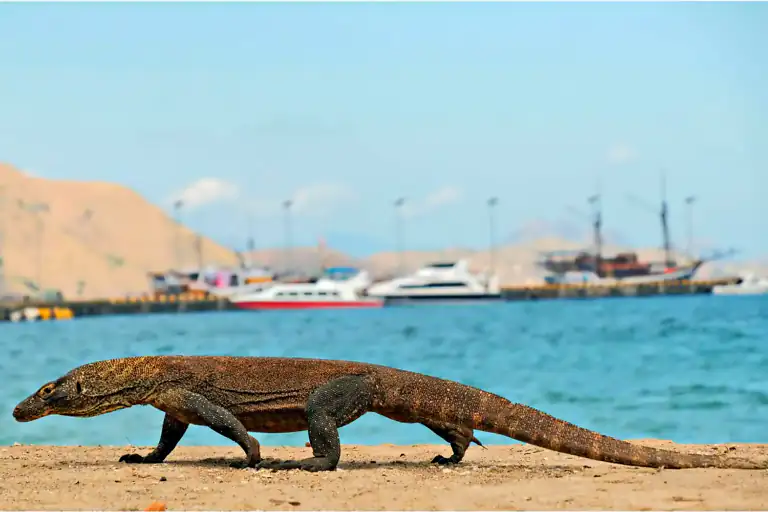
| Dragon walk on Rinca | Gentle, about an hour, with a raised walkway | Yes, but it is the highlight |
| Short walk on Komodo | Gentle loop of under an hour, partly in shade | Yes |
| Kelor climb | Short and very steep, 10 to 20 minutes up | Yes, stay on the beach or the boat |
| Padar climb | Steps and dusty paths, 20 to 45 minutes to the main viewpoint | Yes, or stop at a lower viewpoint |
| Snorkelling | Easy with a life jacket in calm water | Yes, it is always optional |
| Tender rides | A few minutes; stepping in and out needs care | Only by staying on board |
| Sunsets and stars | None: just a seat on deck | Why would you? |
In other words, the essential Komodo, with dragons, islands, beaches and sunsets, is open to almost all seniors who can walk for an hour on uneven ground. The climbs are a bonus, not a requirement.
Choosing the right boat and cabin
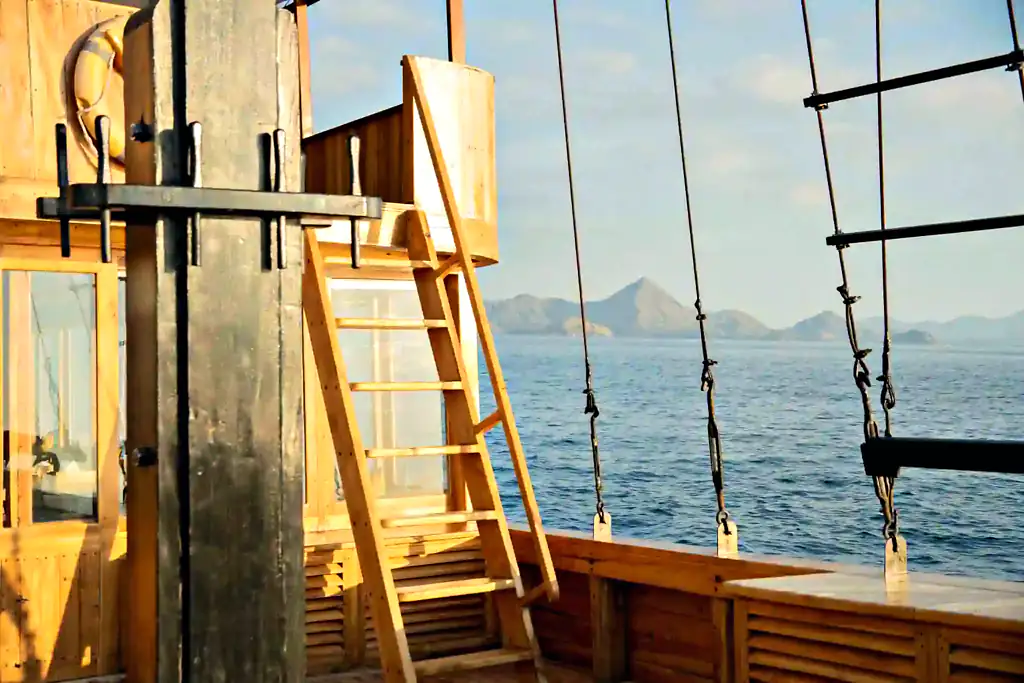
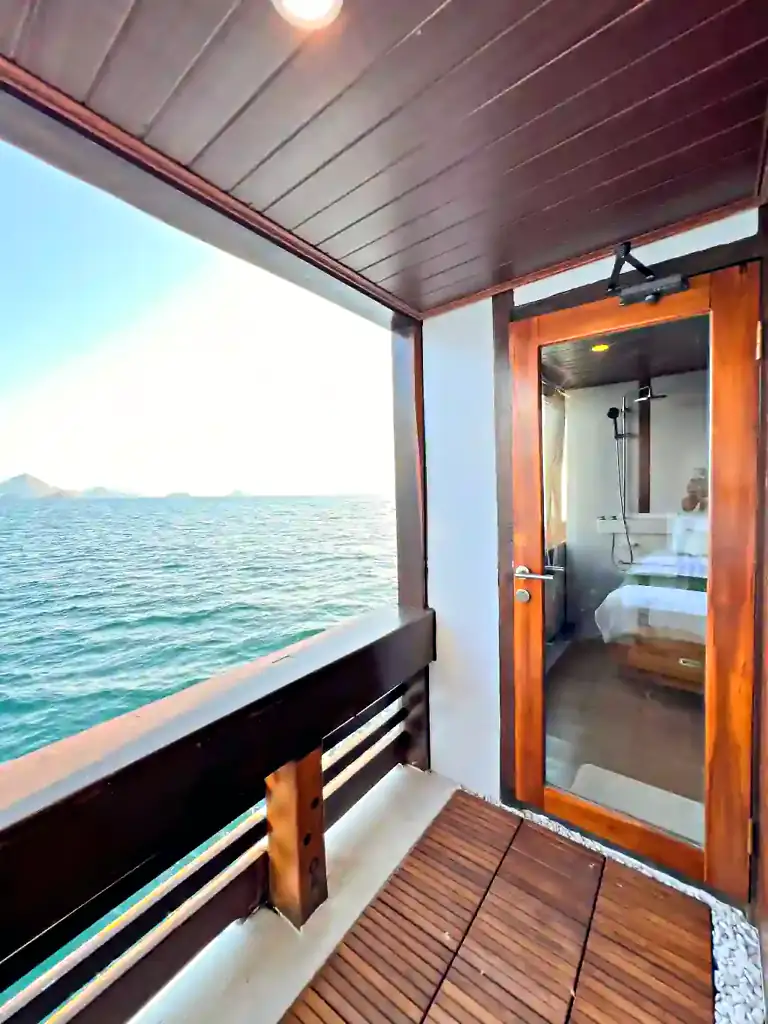
On a phinisi, the stairs between the decks are steep, often closer to a ship’s ladder than to the stairs in a house. Cabins on the lower deck are reached by steps down, and cabins on the upper deck by steps up. A cabin on the main deck saves you the steepest climbs several times a day, and it is the single most useful choice for seniors who are unsteady on stairs.
Many boats on this site have cabins on the main deck. Sea Familia 1 has four of its cabins there, Lady Grace three, and boats such as Le Costa, Sora, Segara, Mosalaki, Semesta Voyages and Kanha Loka have at least one main-deck cabin type. The deck plan on each boat page shows where every cabin lies, so you can choose before you book.
A few other features matter too. A private bathroom in the cabin saves walks at night, hot water makes the showers more comfortable, and a larger boat generally moves less in the waves. Our guide to liveaboard cabin types explains the differences, and our guide on how to choose a Komodo liveaboard covers the rest.
The walks, step by step
Rinca is the easiest place to see the dragons. The visitor area at Loh Buaya has a raised walkway, and most visits last around an hour on dry, fairly level ground. Our guide to Rinca Island explains the walk. On Komodo Island, the rangers offer walks of different lengths, and the short loop of under an hour, through the shade of the tamarind trees near the station, is often enough to see dragons.
Kelor and Padar are different. Both are short but steep climbs, on steps and dusty paths with little shade, and many seniors find the way down harder than the way up. On Padar, you do not need to reach the top: the first viewpoints already show the famous bays. If your knees or balance are a concern, enjoy the view from the boat or the beach and save your energy for the dragons.
Walking poles help older travellers on the steps and on the way down, and closed shoes with a good grip matter more than anything. Take your time, let faster walkers pass and stop whenever you need to. The guide will wait.
Getting on and off the boat
The boats anchor in the bays, and a small tender takes the guests to the jetties and beaches. On Komodo and Rinca there are jetties; at the beaches, you may step out of the tender into shallow water. The crew helps everyone in and out, and it is worth asking for a hand: a steady arm on a moving boat is no sign of weakness, for older travellers or anyone else.
Move slowly when you step between the boat and the tender, keep one hand free to hold on, and wait for the crew’s signal. Put your bag and camera in a dry bag and pass them across first. If the sea is choppy, the crew may choose a calmer place or time to go ashore.
Heat, sun and the time of day
Heat is the biggest challenge in Komodo at any age, and more so for seniors and older travellers. The CDC notes that older age and chronic disease raise the risk of heat illness, and the park is hot and humid all year, with little shade on the hills.
The boats plan the walks for the cooler hours, with Padar before sunrise and the dragon walks in the morning. Use that rhythm: walk early, rest on board in the middle of the day and enjoy the deck again in the late afternoon. Wear light, loose clothes and a wide-brimmed hat, drink regularly and eat salty snacks, and tell the guide straight away if you feel dizzy, sick or confused.
The coolest and calmest months are in the middle of the dry season, from June to August, while October and November are the hottest. Our guide to the best time for a Komodo liveaboard goes month by month.
Health before you go
For older travellers, the CDC’s chapter for travellers with chronic illnesses recommends seeing your doctor and a travel medicine specialist 4 to 6 weeks before you leave, ideally before you pay for anything that cannot be refunded. That leaves time for vaccines, new medicines and any change of plan.
Carry all your medicines in your hand luggage, in their original containers, with enough for the whole trip plus several extra days in case of delays. The CDC also suggests a letter from your doctor that lists your conditions, your medicines with their generic names and doses, your allergies and any medical equipment. Some countries restrict certain medicines, so check the rules for Indonesia with the embassy before you travel.
Older travellers should tell us about any condition, allergy or mobility need when they book, so the boat can prepare. If you use a medical device such as a CPAP machine, ask about power in your cabin before you travel. Our guide to being sick on a liveaboard explains what happens if you fall ill on board.
Medical care and insurance
Komodo is remote, and that is the main reason why older travellers should plan their insurance carefully. If you need a doctor, the crew can bring you back to Labuan Bajo, which has a private hospital, Siloam Hospitals Labuan Bajo, and the public Komodo General Hospital, as well as smaller clinics. For very serious cases, a transfer to a larger hospital, for example in Bali, may be needed.
The CDC’s advice on travel insurance is clear: medical evacuation from a remote place can cost from USD 25,000 to more than USD 250,000, and conditions treated in the months before you travel are often excluded. Travellers over 75 should start looking early, because the choice of policies is smaller. Choose a plan with medical evacuation and a 24-hour assistance line, and declare your conditions honestly.
Travel insurance is not included in the trip price on any boat on this site. Keep the policy number and the emergency phone number on your phone and on paper, and give a copy to the guide on the first day.
Setting your own pace
The secret of a good trip to Komodo for seniors is rest. Arrive in Labuan Bajo the day before the boat, so you start the trip fresh rather than straight off a flight, and keep a quiet day at the end. On board, skip a stop whenever you feel like it: the deck, a book and the view are a fine way to spend an hour while others climb.
A longer trip spreads the same highlights over more days, with more time to rest between them. Our four-day trips are a good choice for seniors who find three days rushed. A private charter goes further: the whole boat is yours, and the timing of every stop can follow your group rather than a shared schedule.
Travelling with family or friends helps seniors too. A multi-generation trip, with children or grandchildren, lets each person choose the climbs and the swims that suit them, and the evenings on deck bring everyone together again.
Food, sleep and comfort on board
Meals on a liveaboard are simple to plan around. You eat three meals a day on board, plus an afternoon snack, and the kitchen can prepare softer, less spicy or special dishes if it knows in advance. The booking form has a notes field for dietary needs: use it, and be specific, because the boat buys its supplies in Labuan Bajo and there are no shops among the islands. Our guide to food on a liveaboard explains what is served.
Sleep matters more on a trip that starts before sunrise. Many seniors like to go to bed soon after dinner and skip the late evenings on deck, and that is perfectly normal on board. Earplugs help with the hum of the generator, a small torch helps on the way to the bathroom at night, and a light layer is useful when the air conditioning is strong.
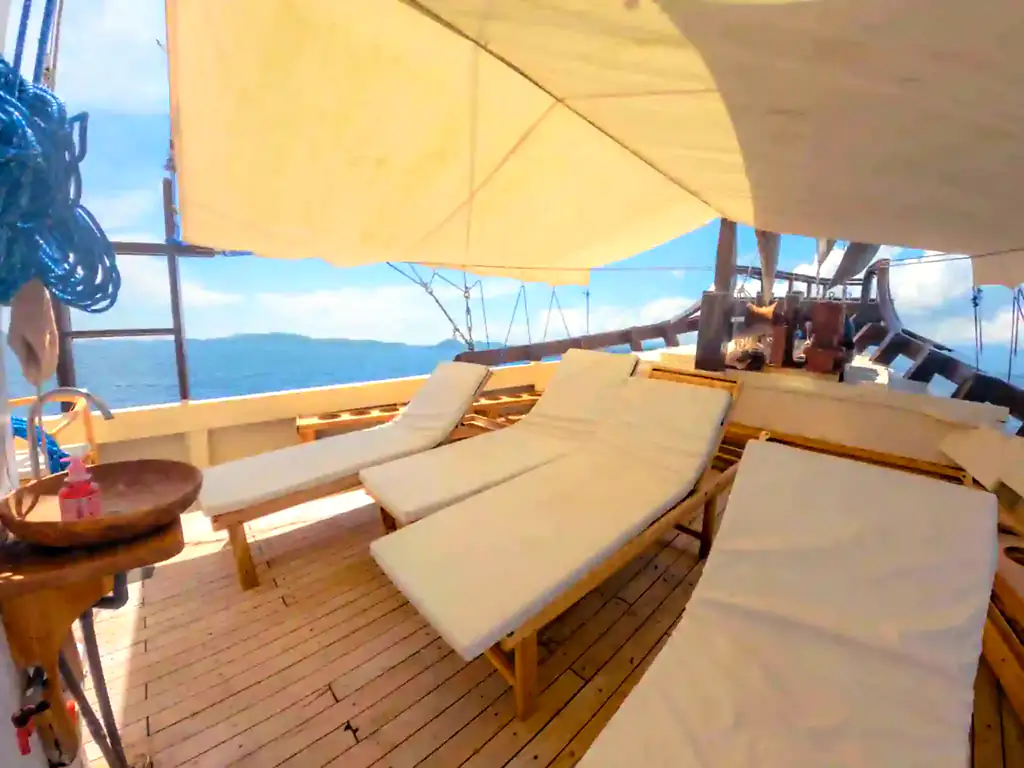
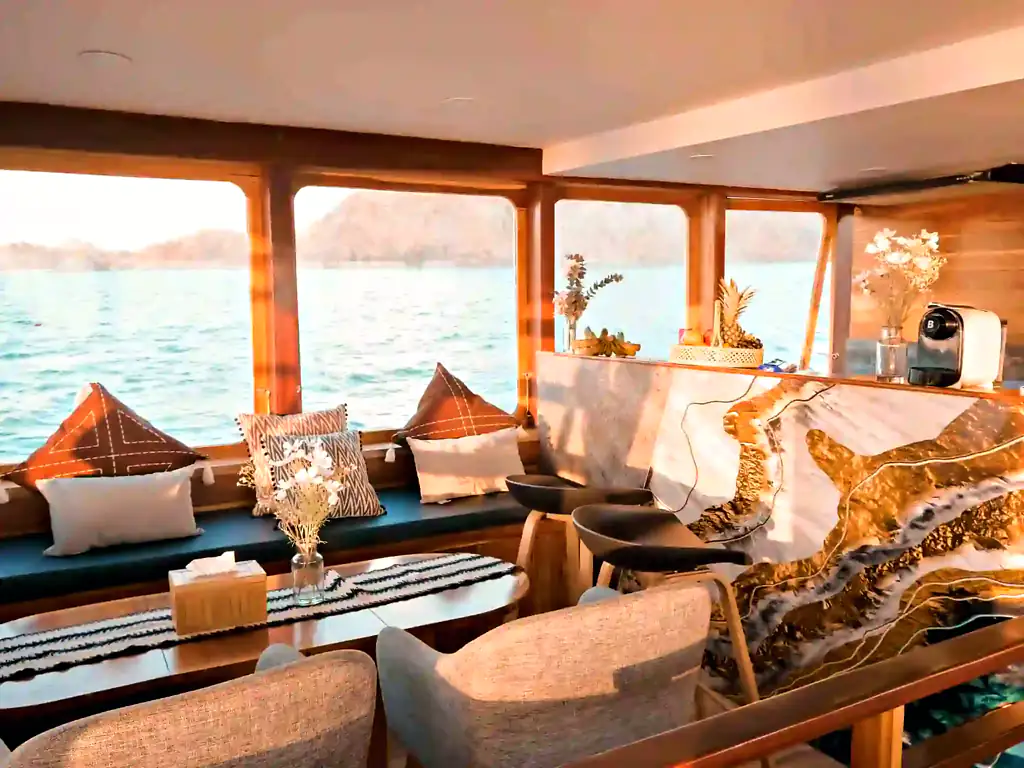
Older travellers who need a nap in the afternoon will find the timing easy: the middle of the day is usually spent sailing or at a beach, with time to rest in the cabin or in the shade on deck. Komodo for seniors works best with this kind of rhythm, active in the cool hours and quiet in the heat.
The sea and seasickness
The sea in Komodo is usually calm inside the bays, but the open crossings can be bumpy, especially in the wet season from December to March. Older travellers who are prone to seasickness should ask their doctor which medicine suits them, because some can make you drowsy or interact with other medicines, and test it at home before the trip.
A cabin low down and near the middle of the boat moves the least, and fresh air on deck, with your eyes on the horizon, helps most people. Our guide to seasickness on a liveaboard covers the remedies in detail.
A checklist for older travellers
- See your doctor 4 to 6 weeks before you travel.
- Buy travel insurance with medical evacuation, and declare your conditions.
- Choose a main-deck cabin with a private bathroom.
- Pack your medicines in your hand luggage, with extra days and a doctor’s letter.
- Bring good shoes, walking poles if you use them, a hat and sunscreen.
- Arrive a day early and plan a quiet day at the end.
- Tell us your needs when you book: mobility, diet, medical devices.
Our Komodo packing list covers everything else to take on the boat.
Our view
Komodo for seniors is not about proving anything on the steepest hill. It is about seeing the dragons with a ranger, sailing between wild islands, swimming in warm water and watching the sun go down from a comfortable deck. Choose a main-deck cabin, walk in the cool hours, rest in the heat and insure yourself well, and Komodo is as rewarding at 75 as at 25, in a UNESCO World Heritage Site protected since 1991.
You do not have to climb every hill. The dragons, the islands and the sunsets are waiting at your pace.
Ready to plan Komodo for seniors in your family? Compare the sharing trips on this site, check the deck plan on each boat page for main-deck cabins, or ask us about a private charter for your family.
Questions
Is Komodo too hard for older travellers?
Not for most healthy older travellers. The dragon walks can be gentle, the climbs are optional and you can rest on board whenever you like.
Is there an age limit on the boats?
The boats on this site do not list an upper age limit, and seniors of all ages join the trips. Tell us about any health or mobility needs when you book, so we can suggest the right boat and cabin.
Which is the easiest place to see the dragons?
Rinca, where a raised walkway and fairly level ground make the walk gentle, or the short loop on Komodo Island.
Do I have to climb Padar?
No. The climb is optional, and the first viewpoints, part of the way up, already show the bays.
Which cabin is best for seniors?
A cabin on the main deck with a private bathroom, which saves the steepest stairs. The deck plan on each boat page shows where the cabins are.
Do I need special travel insurance?
You need a policy with medical treatment and medical evacuation that covers your age and your conditions. Travellers over 75 should start looking early.
Is there a hospital near Komodo?
Labuan Bajo has Siloam Hospitals Labuan Bajo and the public Komodo General Hospital. Serious cases may need a transfer to a larger hospital.
When is the best time for older travellers?
The middle of the dry season, from June to August, is the coolest and calmest time of year in Komodo.
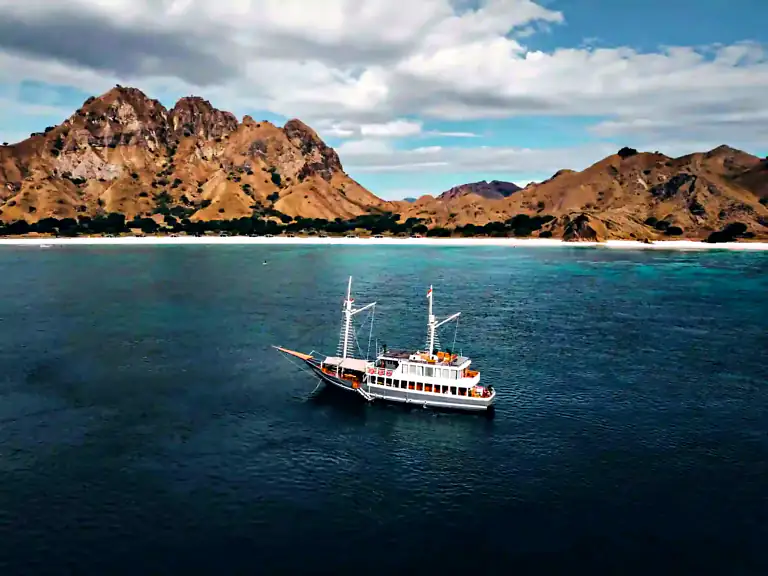
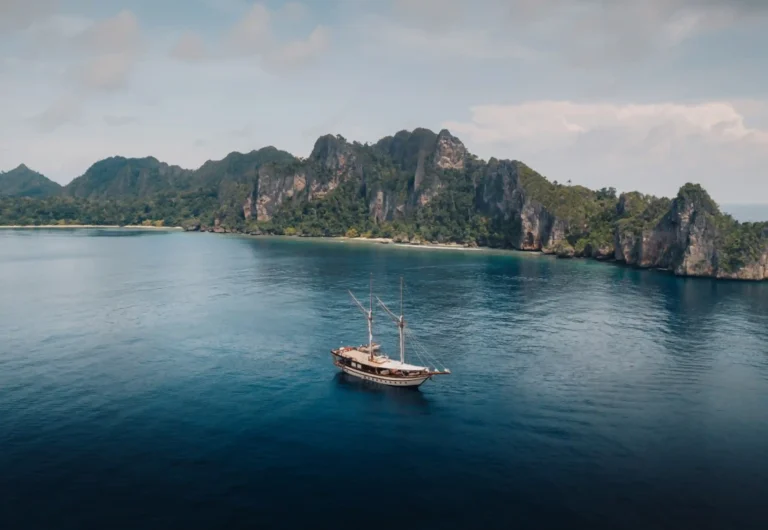
 Elbark Cruise
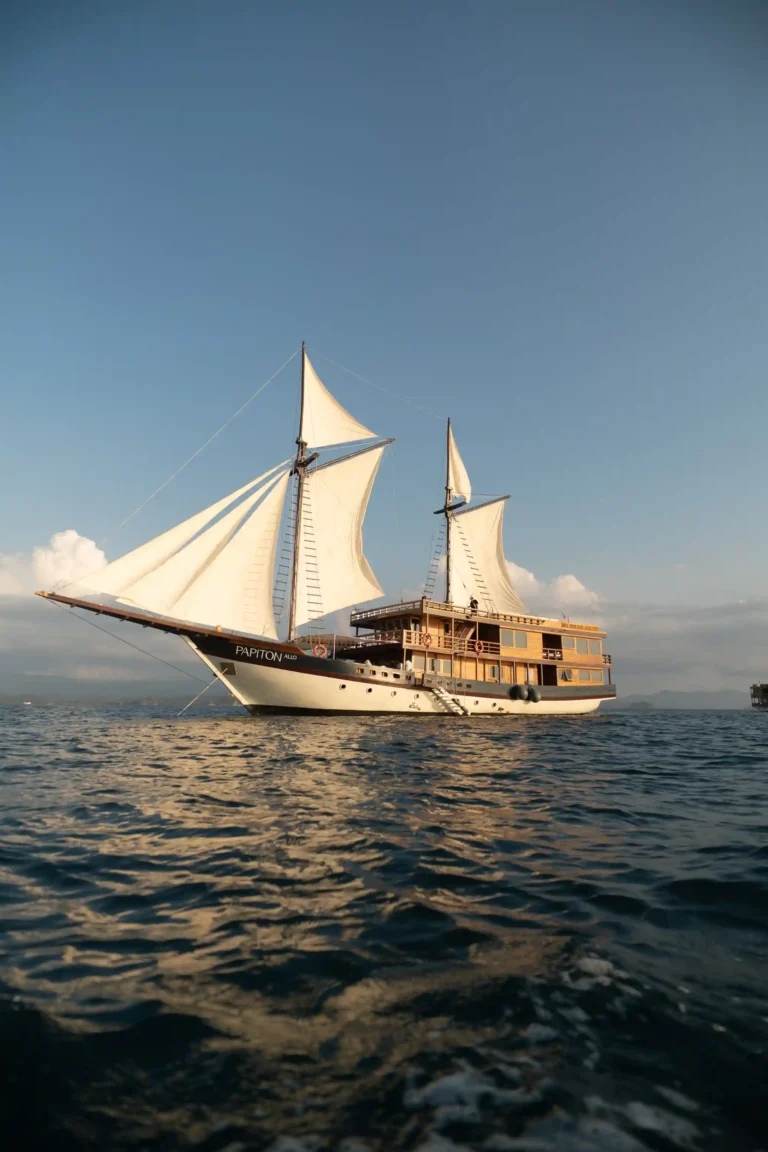
 Papiton Allo
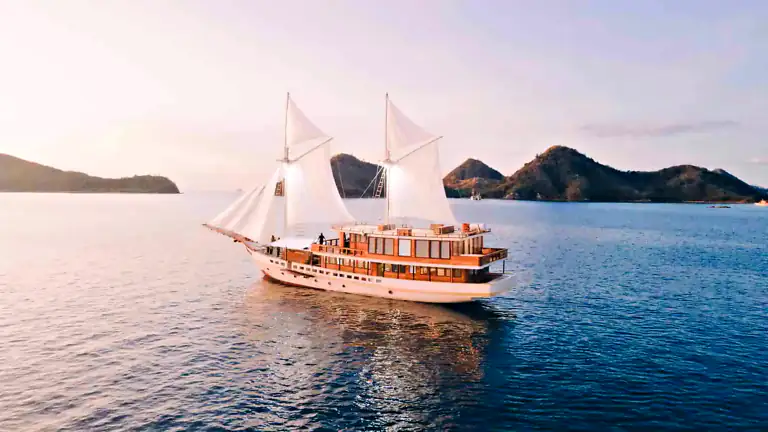
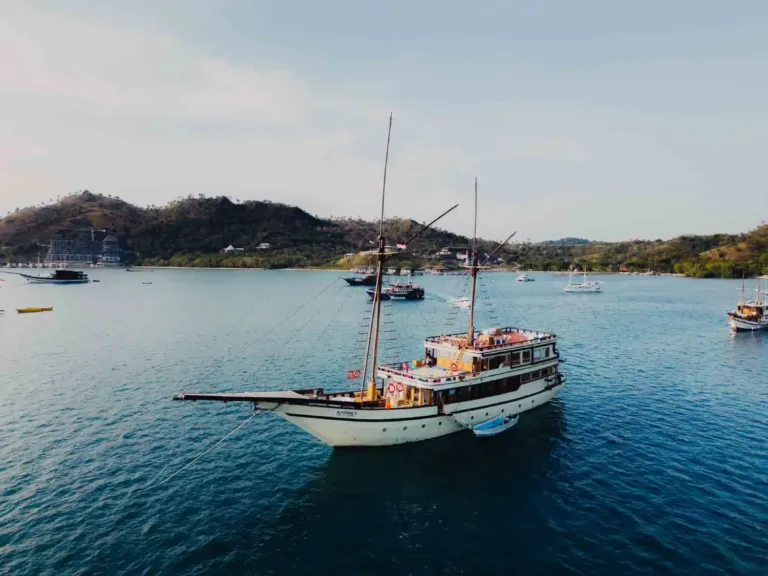
 Semesta Voyages
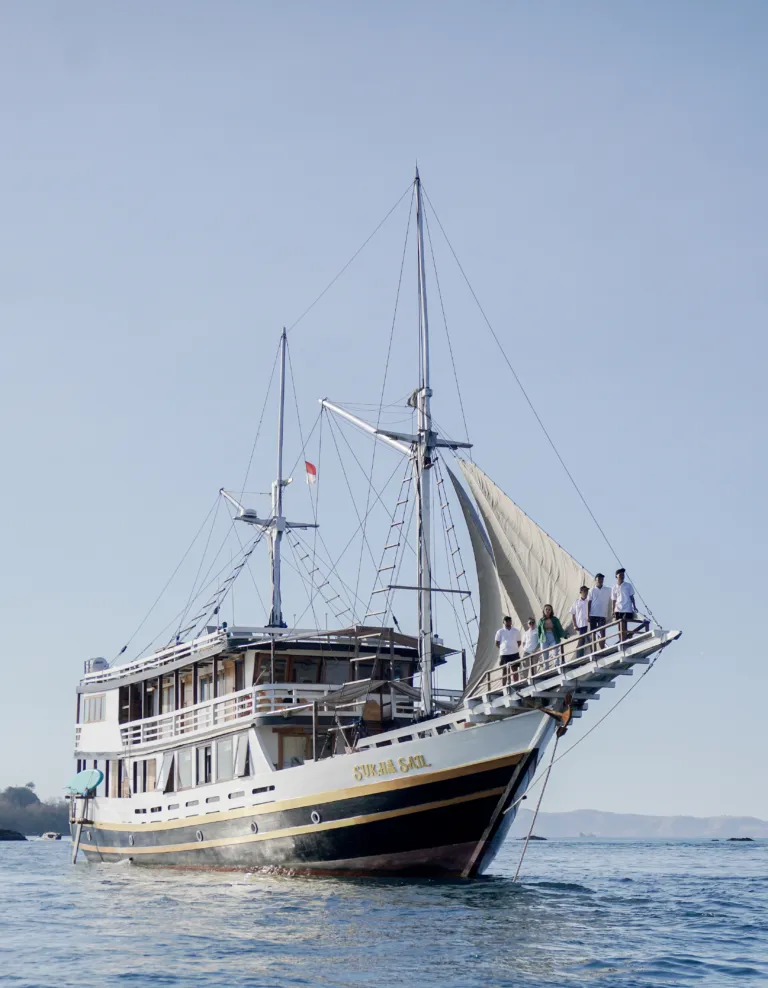
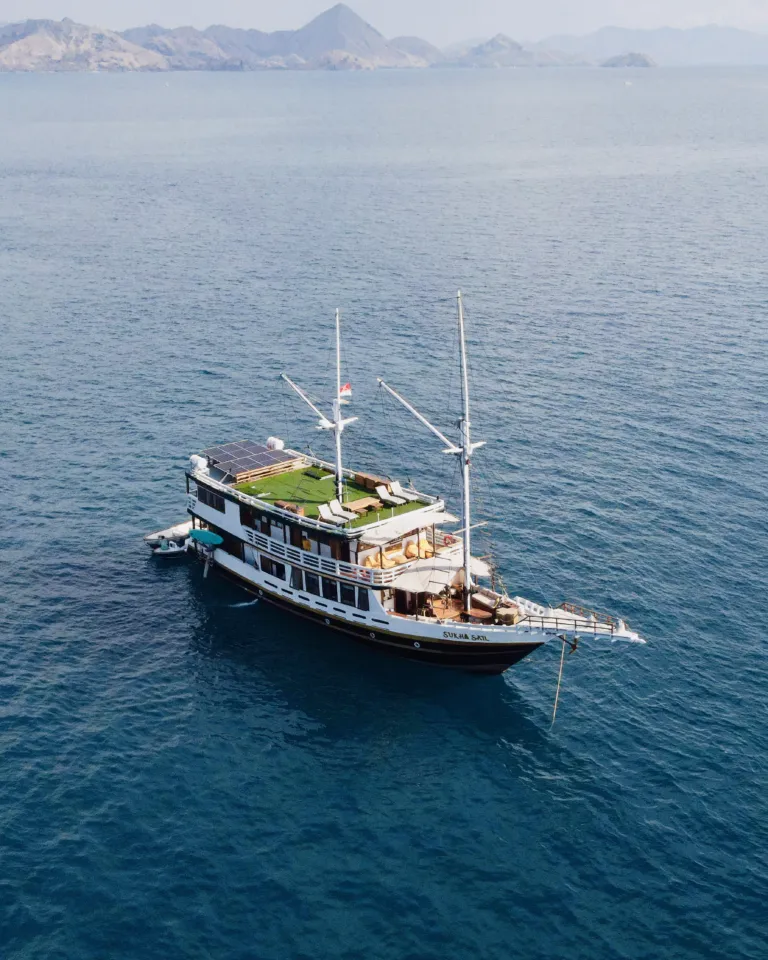
 Sukha Sail 1