
What happens if you get sick on a liveaboard? It is a fair question before any trip on a boat, far from the nearest town. The good news is that most problems on a Komodo liveaboard are small and easy to prevent: a little seasickness, too much sun, a scraped knee or an upset stomach. Serious illness is rare, but it helps to know what the crew can do, how you get back to Labuan Bajo and why travel insurance matters.
This guide explains how to prepare, what to pack and what happens on board if you feel unwell. It is general information, not medical advice, so talk to a doctor or a travel health clinic about your own health before you go.
In short
- Most problems are small and preventable: seasickness, sunburn, dehydration, cuts and upset stomachs.
- If you feel unwell, tell the guide or the crew at once; they can change the plan and, if needed, take you back to Labuan Bajo.
- Bring your own medicines and a small first-aid kit, and see a travel health clinic before you go.
- Take travel insurance with medical evacuation; it is not included in the trip price.
Getting sick on a liveaboard: the short answer
If you get sick on a liveaboard, the first step is always the same: tell the guide or the crew. They see many guests every week, they know the common problems at sea, and they can change the plan for you, from a quiet afternoon in your cabin to skipping a snorkel stop. Most problems pass within hours with rest, water and the medicine you brought.
If something is more serious, the crew can arrange to bring you back to Labuan Bajo, where there are hospitals and clinics. How quickly depends on where the boat is, because the park is spread over many islands, but most stops on a typical trip are within reach of the town by boat on the same day. That is one reason why good travel insurance, with medical evacuation, is so important.
Before you go: health checks and vaccines
See a doctor or a travel health clinic a few weeks before your trip, so there is time for any vaccines or medicines you need. Advice differs between countries and depends on your own health, so the clinic is the right place to ask. For reference, the US Centers for Disease Control and Prevention (CDC) recommends hepatitis A and typhoid vaccines for most travellers to Indonesia, and notes that dogs with rabies are common in Indonesia.
The CDC also lists malaria risk in eastern Indonesia, including the town of Labuan Bajo and the Komodo Islands, and recommends that travellers to those areas take prescription medicine to prevent it. Other health services may give different advice for short trips, so ask your clinic what is right for you. If you have a medical condition, a heart problem or are pregnant, check with your doctor that a few days on a boat are suitable.
If you plan to dive, make sure you are fit to dive, that your certification and log are up to date, and that your insurance covers diving. Ask about the dive sites before you book, because not every boat offers diving, and tell the crew at once if you feel unwell after a dive, even if the symptoms seem mild.
What to pack: your own small medical kit
There are no pharmacies among the islands, so bring what you might need. A small, simple kit covers most problems on a liveaboard:
- Your prescription medicines, enough for the whole trip plus a few days, in their original packaging.
- Seasickness tablets or patches, if you are prone to motion sickness.
- Oral rehydration salts for heat or an upset stomach.
- Plasters, antiseptic and a small dressing for cuts and coral scrapes.
- Pain relief and an antihistamine for headaches, stings and allergies.
- Reef-friendly sunscreen, after-sun and insect repellent.
If you have a serious allergy, bring your emergency medicine and tell the guide on the first day. Our Komodo packing list covers everything else to bring on board.
Seasickness: the most common problem
Seasickness is the problem guests worry about most, and the one that is easiest to manage. Inside the bays of Komodo National Park, the water is often calm, and at anchor the boat barely moves. The open crossings between the islands can be bumpier, especially in the wet season from December to March, when the sea changes more often.
If you are prone to motion sickness, take your medicine before the longer crossings, not once you feel ill. Stay on deck in the fresh air, look at the horizon, eat something light and avoid reading or looking at your phone while the boat moves. When you choose a cabin, remember that a cabin low down and near the middle of the boat moves the least. Ginger, in tea or sweets, helps some people.
Many guests feel the motion most on the first day and get used to it quickly. If you do feel sick, lie down with your eyes closed, sip water and nibble something plain, such as crackers or bread. It usually passes as soon as the boat reaches calm water or the anchorage for the night.

Sun, heat and dehydration
The sun is the most underestimated risk on a Komodo trip. You are close to the equator, on the water, and much of the day is spent swimming, walking and sitting on deck. Sunburn and heat exhaustion can turn a great trip into a miserable one, so cover up with a hat, sunglasses and a long-sleeved swim shirt, and put on sunscreen again after every swim.
Drink more water than you think you need. Drinking water is included on most boats, so bring a reusable bottle and refill it often, especially before the Padar climb and the dragon walk. Go easy on alcohol in the heat of the day. Headaches, dizziness and feeling very tired are early signs of dehydration and heat exhaustion: rest in the shade, drink and tell the crew.
Children and older travellers feel the heat sooner, so keep an eye on them during the walks and make sure they drink between the stops. The climb on Padar starts early for a reason: the first hours of the day are the coolest, and the trail is far easier before the sun is high.
Cuts, coral scrapes and stings
Small cuts are common on any trip near the sea: a scrape on a rock, a graze from coral, a cut foot on a beach. In the tropics, small wounds can become infected quickly, so clean every cut well with fresh water and antiseptic, keep it covered and watch it over the following days. Never stand on coral, both for your sake and for the reef’s.
Jellyfish and other stinging creatures are part of the sea everywhere. A long-sleeved swim shirt or a thin wetsuit protects your skin from both the sun and most stings. If you are stung, get out of the water calmly, tell the guide, and rinse the area with seawater rather than fresh water. If you feel faint, have trouble breathing or the pain is severe, tell the crew straight away.
Several swims a day can also leave water in your ears. Dry them gently after each snorkel and tilt your head to let the water run out. If an ear starts to hurt, give it a rest from the water for a day; an ear problem is easier to treat early than at the end of the trip.

Stomach upsets and food
Meals on a liveaboard are cooked fresh on board, and most guests eat well without any problem. A change of food, heat and a little seasickness can still upset a sensitive stomach. Wash your hands before meals, especially after the beach stops and the dragon walk, and keep a small bottle of hand sanitiser in your day bag.
Use the drinking water provided on board for drinking and for your bottle; the water from the taps is for washing. If your stomach is upset, rest, drink small amounts often, take oral rehydration salts and eat simple food such as rice and bananas. Tell the crew about any food allergy when you book, in the notes field of the booking form, and again on the first day.
Mosquitoes and malaria
Out at sea, there are usually few mosquitoes, but they can be present in Labuan Bajo and near the mangroves, especially at dusk. As mentioned above, the CDC lists malaria risk in eastern Indonesia, including Labuan Bajo and the Komodo Islands, so ask your travel clinic whether you need medicine to prevent it.
Whatever the advice, avoiding bites is always wise. Use insect repellent in the evenings, wear long sleeves and trousers at dusk, and sleep with the cabin door closed and the air conditioning on. If you develop a fever during or after your trip, see a doctor and mention that you have travelled in eastern Indonesia.
What the crew does if you feel unwell
The crew is your first help on board. Crews on the boats on this site speak English and Indonesian, and the guide is with you at every stop. Tell them as soon as you feel unwell, even if it seems small: they can let you rest instead of joining a stop, make you something simple to eat, keep an eye on you during the night and adjust the plan for the rest of the trip.
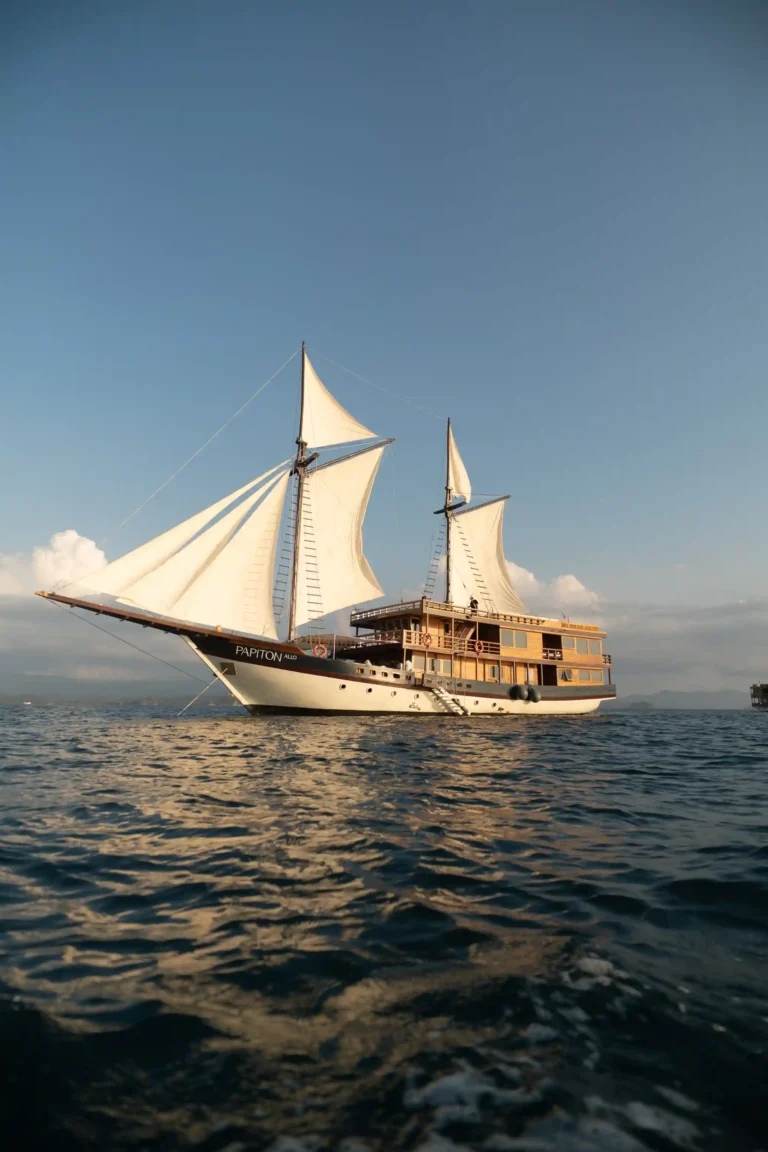
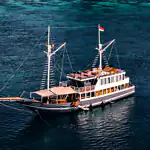
Life jackets are on board on most boats, and some boats list more safety equipment, such as oxygen on Kai Voyage, Gandiva and Carnaby 02, and an emergency beacon on Papiton Allo, Kai Voyage, Gandiva and Carnaby 02. If medical equipment matters to you, ask before you book what the boat carries. Our guide to whether Komodo National Park is safe covers the safety of the boats in more detail.
Mobile signal can be patchy among the islands, so do not count on calling home or your insurer from every anchorage. Give the guide your emergency contact and insurance details on the first day, so the crew can make the calls for you from where there is signal if they need to.

Serious illness or injury: getting back to Labuan Bajo
If you need a doctor, the crew will arrange to bring you back to Labuan Bajo, either on the boat or, when possible, with a faster boat from town. Labuan Bajo has a private hospital, Siloam Hospitals Labuan Bajo, and a public hospital, the Komodo General Hospital (RSUD Komodo), as well as smaller clinics. For very serious cases, a transfer to a larger hospital, for example in Bali, may be needed, and that is where medical evacuation insurance makes all the difference.
The CDC notes that emergency care in Indonesia may not meet the standards you are used to, that trauma centres are uncommon outside urban areas, and that travellers should consider travel health and medical evacuation insurance. Keep your insurance details and your emergency contacts on your phone and on paper, and share them with the guide on the first day.
Travel insurance: why it matters
Travel insurance is not included in the trip price, and it is the single most important thing you can arrange for your health. Choose a policy that covers medical treatment, medical evacuation and the activities you plan, such as snorkelling, hiking and, if you dive, diving. Check that it covers trips on a boat, and that the limit for evacuation is high enough to cover a flight to a larger hospital.
Good insurance also protects your holiday. If you fall ill before the trip and cannot travel, or if a delay caused by illness costs you extra nights or flights, the right policy can cover what our cancellation terms do not.
Read the small print before you leave. Some policies exclude conditions you already have, or ask you to call their emergency line before any treatment, so save the 24-hour number on your phone and write it down too. Declare any medical condition when you buy the policy, so that you are covered when it matters most.
If you fall ill before your trip
If you are unwell in the days before your trip, contact us as early as you can. For sharing trips, you can reschedule up to 65 days before departure, and a cancellation 60 days or more before departure gets a 40% refund of what you paid; after that, there is no refund, which is where travel insurance helps. Do not sail with a fever or an illness that could get worse at sea, far from a doctor.
If you feel only slightly off, talk to the guide when you board. A quiet first day, plenty of water and an early night are often all it takes to be ready for the sunrise climb on the second morning. Our guide on how to book a Komodo liveaboard has the full terms.
Our view
Getting sick on a liveaboard is rare, and when it happens, it is usually something small that passes with rest and water. Prepare well, bring your own medicines, protect yourself from the sun and tell the crew early if you feel unwell. Take travel insurance with medical evacuation, and you can enjoy one of the most beautiful places in Indonesia with peace of mind: Komodo National Park has been a UNESCO World Heritage Site since 1991.
Most problems at sea are solved by three things: water, shade and telling the crew early.
Ready to plan a safe and relaxed trip? Compare the boats on our Komodo liveaboard page, and ask us about the safety equipment on any boat before you book.
Questions
Is there a doctor on board?
Not usually. The crew is your first help, and for medical care they bring you back to Labuan Bajo, which has hospitals and clinics.
What if I get seasick?
Take your medicine before the crossings, stay on deck in the fresh air and look at the horizon. The water inside the bays is often calm.
Do I need vaccines for Komodo?
Ask a travel health clinic. The CDC recommends hepatitis A and typhoid for most travellers to Indonesia, and lists malaria risk in Labuan Bajo and the Komodo Islands.
Is travel insurance included?
No. Take a policy that covers medical treatment, medical evacuation and the activities you plan on the trip.
Can the boat take me back early?
Yes, if you need medical care. The crew will arrange the fastest safe way back to Labuan Bajo from where the boat is.
Is there a hospital in Labuan Bajo?
Yes. Labuan Bajo has Siloam Hospitals Labuan Bajo, a private hospital, and the public Komodo General Hospital (RSUD Komodo).
Can I buy medicine in Labuan Bajo?
Yes, the town has pharmacies, called apotek. Buy anything you need before the boat leaves, because there are no shops among the islands.
What if my child gets sick on the boat?
Tell the crew at once. Bring children’s medicines and rehydration salts, keep them out of the sun at midday and make sure they drink often.

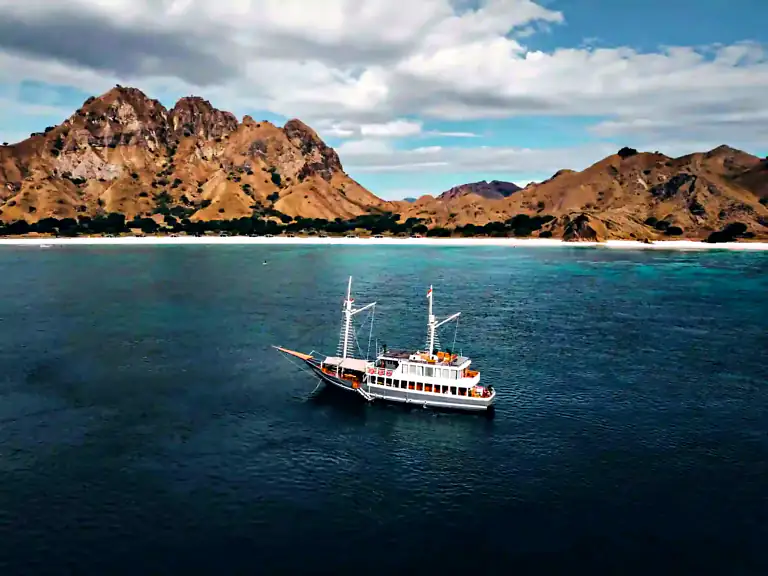
 Elbark Cruise
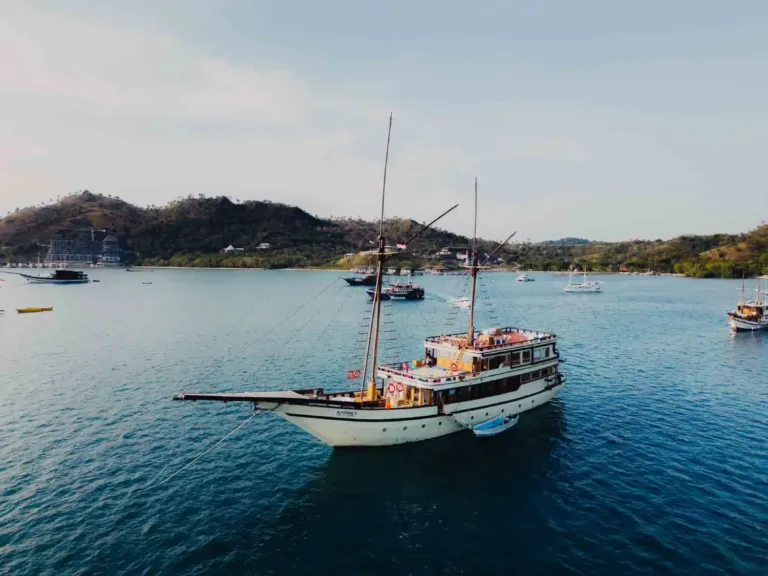
 Papiton Allo
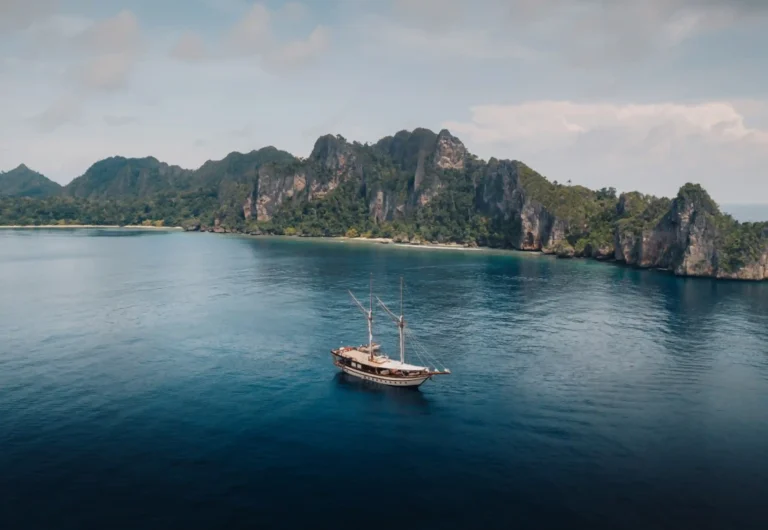
 Semesta Voyages
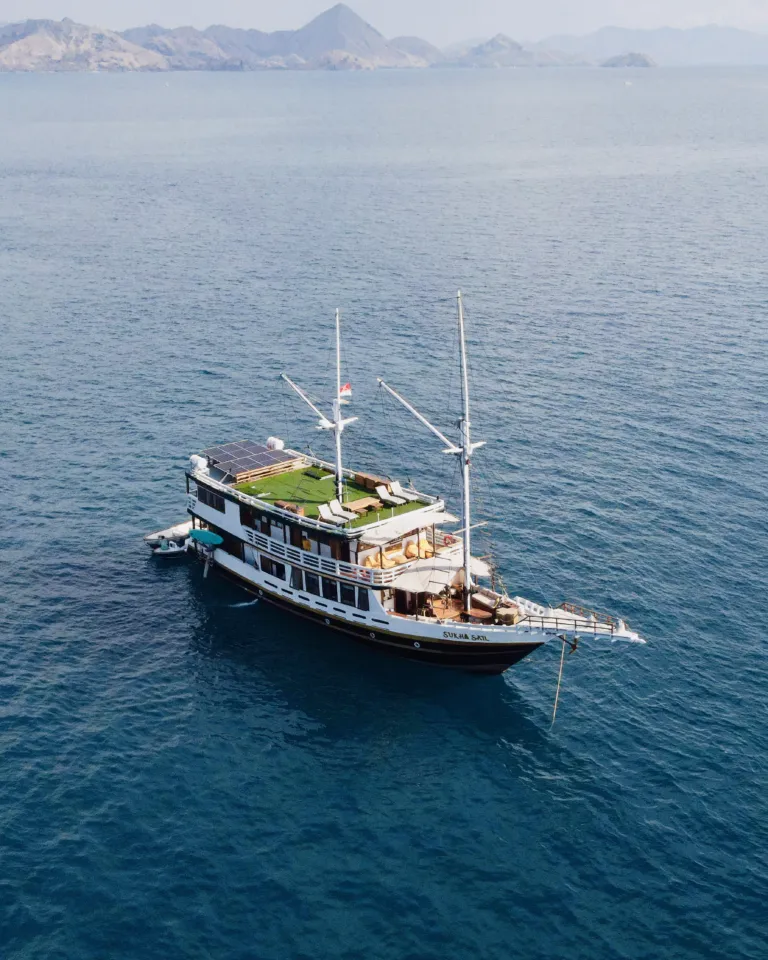
 Sukha Sail 1