Travel insurance for Komodo is not a formality. The park is remote, the islands have no roads or hospitals, and the nearest good medical care is back in Labuan Bajo, or further away in Bali for serious cases. A trip to Komodo also involves flights, a boat, hikes in the heat and time in the water, and the money you pay for a liveaboard is mostly paid in advance. This guide explains what a good policy should cover for a Komodo trip, how it fits with the booking rules on this site and what to check in the small print.
This is general information, not advice on a particular policy or insurer. Policies differ widely from one country and company to another, so always read the policy wording before you buy, and ask the insurer if anything is unclear.
In short
- Travel insurance is not included in the price of any trip on this site.
- The most important cover is medical treatment and medical evacuation.
- Cancellation cover protects the deposit and balance you pay before the trip.
- Check the policy for snorkelling, hiking, diving, existing conditions and age limits.
Do you need travel insurance for Komodo?
Yes. Every boat page on this site lists travel insurance among the things that are not included, along with flights and hotels, and we strongly recommend that every guest has it. The reason is simple: if something goes wrong in a remote park, the costs can be far higher than the price of the trip itself.
Most trips to Komodo go smoothly, and the most common problems are small: a delayed flight, a lost bag, a stomach upset or a cut on a rock. But the rare serious case, such as a fall on a trail, a bite, a heart problem or an accident in the water, can mean a transfer by boat to Labuan Bajo and a flight to a larger hospital. Without insurance, you pay all of that yourself.
Distance is the key. On the second day of a typical trip, the boat may be several hours from Labuan Bajo, between islands with no roads, no doctors and only a ranger station or a small village. The crew knows what to do and how to get help, but the time and the cost of reaching a hospital are what travel insurance for Komodo is really for.
Buy your insurance as soon as you book, not just before you fly. Cancellation cover usually starts on the day you buy it, so a policy bought early protects the money you have already paid if you fall ill or something else stops you from travelling.
What a good policy covers
The table lists the main types of cover and why each one matters on a Komodo trip. Not every policy includes all of them, and the limits vary, so check each line.
| Cover | Why it matters in Komodo |
|---|---|
| Medical treatment | Doctors, hospital stays and medicines abroad |
| Medical evacuation | Transport from a remote island to a hospital that can treat you |
| 24-hour assistance line | Someone to call who can organise care and payment at any hour |
| Trip cancellation | Protects the deposit and balance if you cannot travel |
| Trip interruption | Helps if you must leave the boat or fly home early |
| Delays and missed connections | Extra nights and new flights if a flight to Labuan Bajo is late |
| Baggage and personal items | Lost bags, cameras and phones, up to the policy’s limits |
| Activities | Snorkelling, hiking and, if you dive, scuba diving |
Of all these, medical treatment and medical evacuation matter most. You can live with a lost bag; a large medical bill abroad is another matter.
Medical treatment and evacuation
If you fall ill or are injured on the boat, the crew can bring you back to Labuan Bajo, either on the boat or, when possible, with a faster boat from town. Labuan Bajo has a private hospital, Siloam Hospitals Labuan Bajo, and the public Komodo General Hospital, as well as smaller clinics. For very serious cases, a transfer to a larger hospital, for example in Bali, may be needed.
That transfer is what makes medical evacuation cover so important. The CDC’s guide to travel insurance and medical evacuation insurance notes that an evacuation can cost from about USD 25,000 to more than USD 250,000 from a distant or remote place. It also points out that the decision to evacuate is made by the insurance company, not by the traveller, so read what the policy says about when and where it will move you.
The CDC recommends a policy with a 24-hour assistance centre backed by doctors. Save its number in your phone and on paper, keep your policy number with your passport, and give a copy to the guide on the first day of the trip. Our guide to being sick on a liveaboard explains what happens on board if you need a doctor.
Cancellation and the booking rules
A liveaboard is paid well before you sail. Under the payment policy on this site, a 50% deposit is due within 72 hours of the invoice, and the balance at least 60 days before the trip; if you book less than 60 days ahead, you pay the full amount at once.
The cancellation policy then sets the refunds. If you cancel 60 days or more before departure, you receive 40% of the total you paid; from 59 days to the day of departure, there is no refund. On sharing trips, you can reschedule up to 65 days before your trip. If the boat cannot sail because of an emergency, force majeure, bad weather, government rules or similar reasons, you can choose a new date or a 70% refund.
Those rules are where cancellation cover earns its price. If you fall ill, have an accident or face a family emergency in the weeks before the trip, a good policy can refund the part of the cost that the booking rules do not. Check which reasons for cancelling the policy accepts, and make sure the cover is high enough for the full cost of the trip and your flights.
Flights, delays and missed connections
Most travellers reach Labuan Bajo on a domestic flight from Bali or Jakarta, after a long-haul flight from home. A delay on any leg can push you past the departure of the boat, and the boats cannot wait, because the route, the park tickets and the other guests are all fixed.
Insurance with cover for delays and missed connections helps with the cost of an extra night or a new flight, but the best protection is time. Arrive in Labuan Bajo the day before the boat, keep a spare day before your flight home, and choose flight tickets that can be changed. In the wet season, from December to March, bad weather makes delays more likely, as our guide to Komodo in January explains.
Snorkelling, hiking and diving
A Komodo trip is active. You climb steep viewpoints such as Padar and Kelor, walk with the rangers among wild dragons, snorkel in currents and ride a small tender to the beaches. Most travel policies cover snorkelling and hiking, but some list them as activities that need extra cover, so check the list before you buy.
If you plan to scuba dive, check even more carefully. The CDC advises asking whether a policy covers injuries from high-risk activities such as scuba diving, and the medical care they may need. Many general policies cover diving only to a certain depth or with a certified diver, and some exclude it altogether; divers often buy a specialist dive policy as well.
Whatever you do, follow the crew’s and the rangers’ instructions. A policy may refuse a claim if you ignored safety rules, and the rules exist for good reasons. Our guide to whether Komodo National Park is safe covers the main risks.
Existing conditions and older travellers
Pre-existing medical conditions are the most common reason for a refused claim. The CDC notes that conditions that needed hospital care or a change of treatment in the 90 days before departure are often excluded, and that in one study, insurers fully paid only two-thirds of travellers’ claims, mostly because of pre-existing illness and poor records of the costs.
Declare every condition honestly, even if it seems minor, and keep the insurer’s written confirmation. Travellers over 65 may need a specialised policy, and the CDC advises travellers over 75 to start looking early, because cover for existing conditions is harder to find. Our guide to Komodo for seniors covers the rest of the planning for older travellers.
Cameras, phones and drones
Komodo is a photographer’s trip, and many guests bring expensive equipment. Most travel policies have a limit for a single item and for all valuables together, and that limit is often lower than the value of a good camera or a drone. Some exclude drones altogether, or cover them only on the ground.
If your equipment is valuable, check whether your home insurance covers it abroad, or buy specific cover. Keep receipts or photos of serial numbers, never leave valuables unattended on a beach, and use dry bags on the tender. Our guide to flying a drone in Komodo explains the park fee and the rules for drones.
Reading the small print
- The excess. How much do you pay yourself on each claim?
- The limits. Are the medical and evacuation limits high enough for a remote place?
- Exclusions. Many policies exclude claims linked to alcohol or drugs, or to ignoring official advice.
- The region. Does the policy cover Indonesia and every country you transit?
- Your age and your trip length. Some policies have upper limits for both.
- Card cover. If you rely on a credit card’s insurance, check what it covers and whether you must pay the trip with that card.
Your health insurance at home may not cover you abroad at all, and the CDC notes that most domestic medical insurance in the United States does not cover care outside the country. Check before you assume.
If something in the wording is unclear, ask the insurer before you buy, and keep the answer in writing. A short email that confirms, for example, that snorkelling from a boat in Indonesia is covered, or that your existing condition is accepted, is worth far more than a phone call you cannot prove later. Compare two or three policies side by side: the cheapest insurance is rarely the one with the highest limits for a remote trip.
Insurance for families and groups
Every traveller needs cover, including babies and children. Many family policies include children travelling with their parents, but check that every name is on the policy and that the limits apply to each person, not to the family as a whole. If grandparents travel with you, their age may need a separate policy.
Groups of friends, clubs and companies often travel on different policies from different countries. That is fine, as long as each person has the right cover, but agree before the trip who keeps a list of everyone’s insurer and emergency number. On a private charter, one person in the group often pays for the whole boat, so cancellation cover for that payment matters even more. Our guide to Komodo with kids covers the rest of a family trip.
Travel insurance for Komodo: a checklist
Before you buy, check that your travel insurance for Komodo includes each of these points, and keep the policy where you can find it on the trip:
- Medical treatment with a high limit, valid in Indonesia.
- Medical evacuation from a remote place, with a 24-hour assistance line.
- Cancellation and interruption cover for the full cost of the trip and your flights.
- Delays and missed connections, for the flights to and from Labuan Bajo.
- Activities: snorkelling, hiking and, if you dive, scuba diving.
- Existing conditions declared and accepted in writing.
- Valuables, with limits that match your camera, phone or drone.
Then save the policy number and the assistance number on your phone, print a copy for your bag and share it with someone at home.
How to make a claim
Call the assistance line as soon as something happens, before you pay for major treatment if you can. Keep every receipt, medical report, prescription and boarding pass, and ask the hospital for a written diagnosis in English. For theft, report it to the police and get a written report, because most insurers ask for one.
If a trip is cancelled or changed, keep the emails and invoices from us, the airline and your hotel. We can provide a written confirmation of your booking, your payments and any change to the trip for your insurer. Good records are the difference between a paid claim and a refused one. Send the claim to your insurer as soon as you are home, while the details are fresh, and keep copies of everything you send.
Our view
Travel insurance for Komodo is part of the trip, like your flight and your park fee. Choose a policy with high limits for medical treatment and evacuation, a 24-hour assistance line, cancellation cover for the full cost of the trip and cover for the activities you plan. Declare your conditions, read the exclusions and keep your records, and you can enjoy a remote and beautiful UNESCO World Heritage Site with real peace of mind.
The best insurance is the one you never use, but in a remote park, you never want to be without it.
Ready to book? Compare the sharing trips on this site, then read our guide on how to book a Komodo liveaboard for the steps from deposit to departure.
Questions
Is travel insurance included in the trip price?
No. Travel insurance is not included on any boat on this site, so arrange your own before you travel.
What is the most important cover for Komodo?
Medical treatment and medical evacuation, with a 24-hour assistance line. The park is remote, and an evacuation can be very expensive.
When should I buy travel insurance?
As soon as you book, so that cancellation cover protects the deposit and the balance you pay before the trip.
Does insurance cover snorkelling?
Most policies do, but some list it as an extra. Check the list of activities in your policy before you buy.
Do I need special insurance for diving?
Check carefully. Many general policies limit or exclude scuba diving, and divers often buy a specialist dive policy.
What happens if bad weather cancels my trip?
Under the cancellation policy on this site, if the boat cannot sail because of bad weather or force majeure, you can choose a new date or a 70% refund.
Will my insurer cover an existing condition?
Only if the policy says so. Declare every condition, and note that conditions treated in the 90 days before departure are often excluded.
Does insurance cover a missed boat?
Some policies cover a missed departure caused by a delayed flight. Check the wording, and arrive in Labuan Bajo the day before the boat.
Do children need their own insurance?
Every traveller needs cover. Many family policies include children, but check that every name is on the policy.
Can you help with documents for a claim?
Yes. We can confirm your booking, your payments and any change to the trip in writing for your insurer.
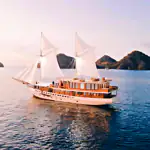 Elbark Cruise
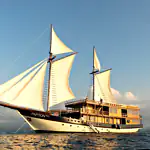 Papiton Allo
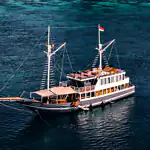 Semesta Voyages
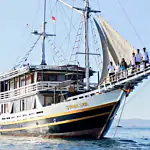 Sukha Sail 1