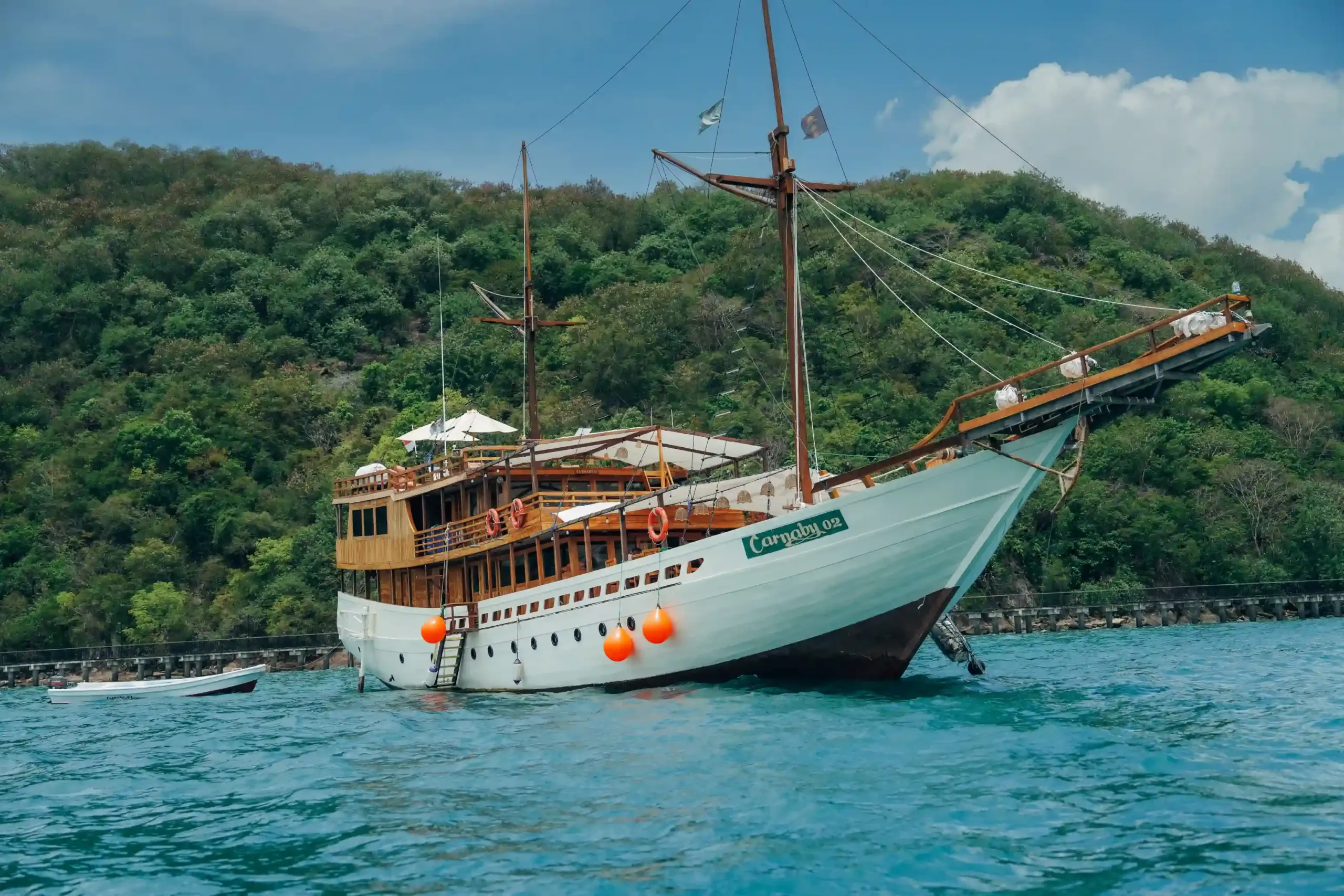
Komodo in January is a different place from the golden, sunny park on most postcards. It is the heart of the wet season: warm, humid and green, with heavy showers, cloudy skies and seas that change from one day to the next. It is also the quietest month on the water, because very few boats sail. This guide explains what the weather is really like, which trips run, what you can still see and how to plan if January is the only time you can travel.
The figures in this guide come from long-term climate averages and from the live departures of the boats on this site. Weather is never an average, so treat them as a guide to what is likely, not a forecast for your dates.
In short
- January is the heart of the wet season: warm, green, cloudy and often rainy.
- It is the windiest month of the year, so open crossings can be bumpy.
- On this site, only three boats depart in January 2027, all on 1 January; none in February.
- For the green season with plenty of choice, plan for December or March instead.
What is the weather like in Komodo in January?
Warm, wet and cloudy. Komodo lies close to the equator, so the temperature hardly changes through the year. According to Weather Spark’s averages for Labuan Bajo, daily highs in January are around 30°C and rarely fall below 28°C or rise above 32°C, while nights cool to about 24°C. The air feels muggy almost all the time.
What changes is the sky. January is the cloudiest month of the year, with the sky overcast or mostly cloudy for close to nine hours in every ten, and rain falls on more than half of the days. The same data makes January and February the two wettest months, while August, in the middle of the dry season, sees almost no rain at all.
Rain in January usually comes in showers rather than all day. A bright morning, a heavy downpour in the afternoon and a clear, cooler evening is a common pattern, and there are dry, sunny days too. Climate-Data.org still averages about seven and a half hours of sunshine a day in January, the lowest of the year, but far from a month without sun.
January in numbers
The table puts January next to August, the driest month, so you can see the difference at a glance. The figures are long-term averages for Labuan Bajo from Weather Spark, rounded.
| January | August | |
|---|---|---|
| Daily high | About 30°C | About 32°C |
| Night low | About 24°C | About 21°C |
| Chance of a wet day | About 56–59% | About 4% |
| Rain over the month | About 220 mm | About 10 mm |
| Sky | Cloudiest month of the year | Clearest month of the year |
| Wind | Windiest month, mostly from the west | Light, mostly from the east |
| Sea temperature | About 29°C | About 27°C |
| Sunrise and sunset | About 05:50 and 18:25 | About 06:10 and 18:00 |
Different climate models give different totals for January rain, and some make January wetter than February. They agree on the picture: January is wet, cloudy and warm, with very warm sea water, and August is dry and clear.
The sea and the wind
For a boat trip, the sea matters more than the rain. In January the west monsoon is at its strongest: Weather Spark’s data makes it the windiest month of the year, with the wind blowing mostly from the west. The open crossings between the islands can be rough on some days, while the bays and the water in the lee of the islands are often calm.
That is why the captain and the guide plan each day around the weather. On a windy day they may change the order of the stops, spend longer in a sheltered bay or skip a stop that is too exposed. The anchorages for the night are chosen for shelter, and the tender rides to the beaches can be bumpy and wet, so keep your phone and camera in a dry bag.
If you are prone to seasickness, take it seriously in January. Take your medicine before the longer crossings, stay on deck in the fresh air and choose a cabin low down and near the middle of the boat. Our guide to seasickness on a liveaboard explains what works.
Which boats sail in January?
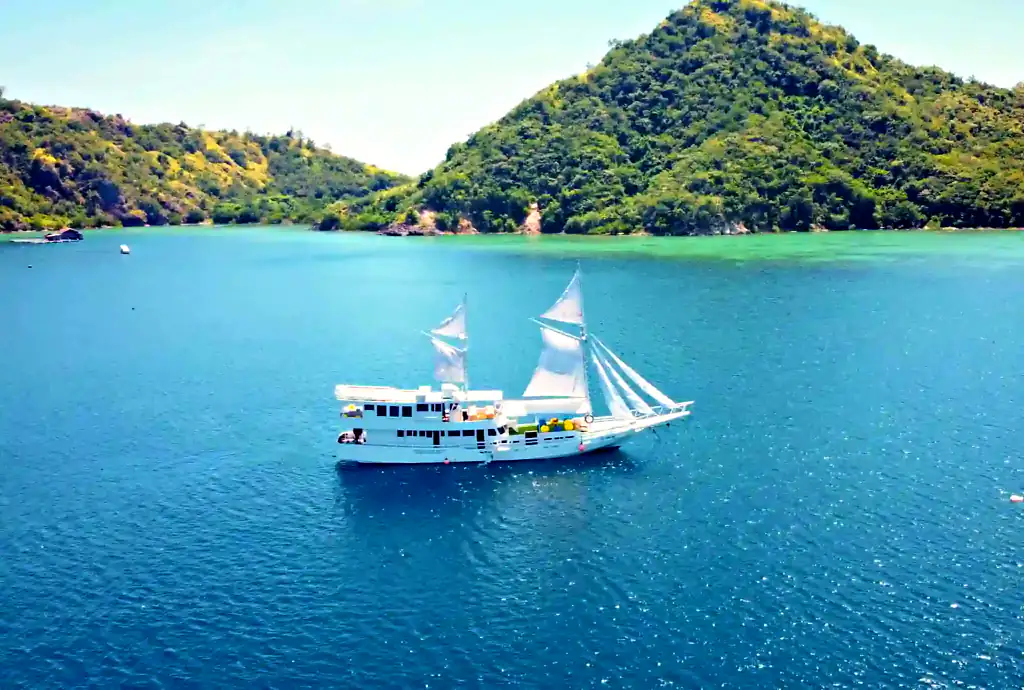
Very few. Most boats on this site have no sharing departures in January and February, the wettest and windiest weeks of the year, and start again in March. In the 2027 schedule on this site, January has just three departures, all on 1 January: Kai Voyage, Neptune Cruise and Cordelia. February has none.
Compare that with the months around it. December 2026 has more than 180 sharing departures on 28 boats, and March 2027 has more than 140 departures on 19 boats, rising again in April. If you want the green season with a real choice of boats and cabins, December and March are the months to look at.
The live departures on each boat page are the final word. Schedules can change, a departure can fill up, and a boat may add or cancel a date, so check the boat page or the sharing trips overview before you book your flights. Online booking closes the day before departure.
Trips that cross into January
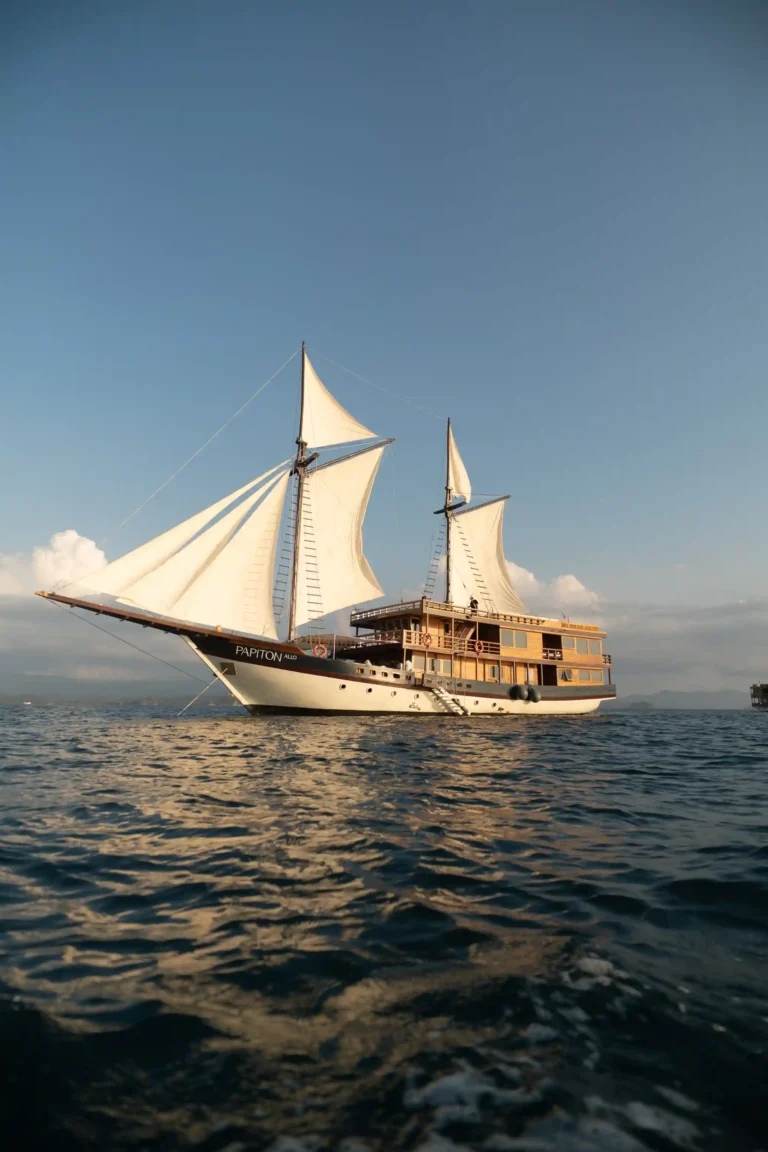
Many travellers see Komodo in January without starting their trip in it. The year-end holidays are one of the busiest times on the water, and the last departures of the year, on 31 December, return to Labuan Bajo on 2 January. On this site, Segara, Vinca Voyages and Papiton Allo sail on 31 December, so the guests on board see the new year in at anchor in the park.
The three departures on 1 January start the year on the water and return on the third day. Like the year-end trips, they are popular, so book early if your holiday falls over the new year. Our guide to New Year in Komodo covers the holidays, the busy days and what a celebration on a boat looks like.
After the first days of January, the park goes quiet. If your dates are fixed later in the month, ask us about a private charter. Whether a boat can sail depends on the boat, the crew and the weather, and the route always follows the conditions on the day.

What you can still see and do
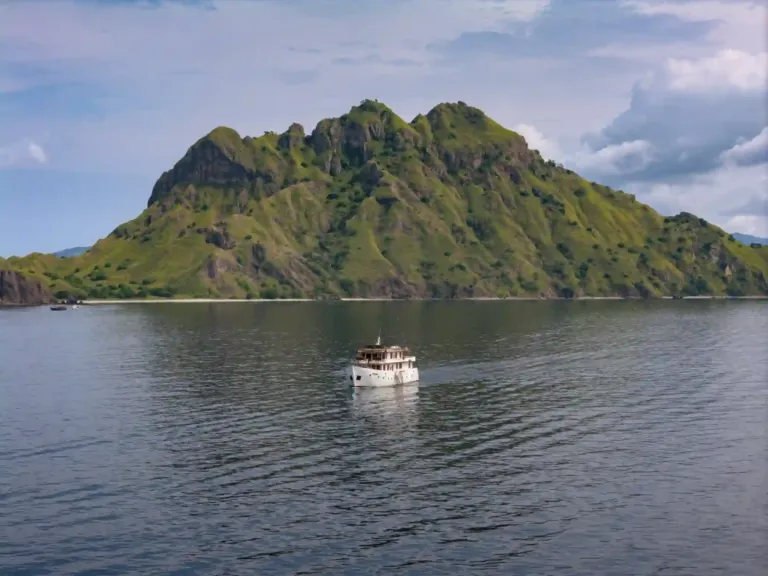
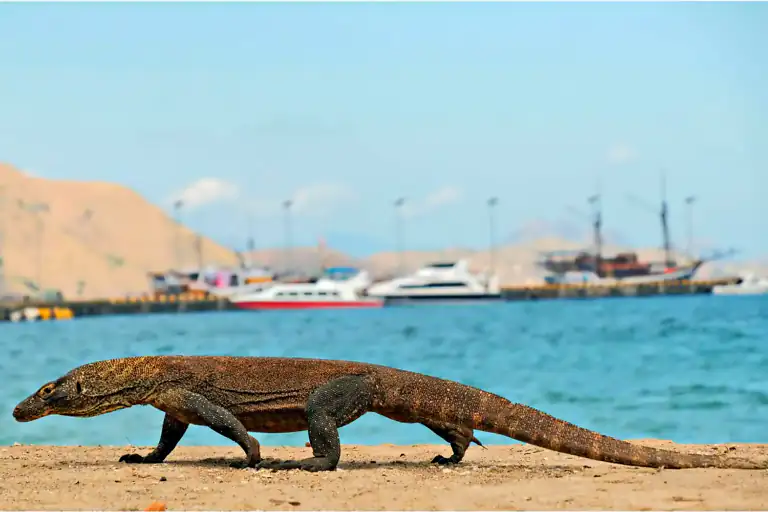
Almost everything, if the weather allows. The ranger walks with the Komodo dragons continue through the wet season on Komodo and Rinca, against a green backdrop that few visitors ever see. Padar is at its greenest, although the steps and the dirt path can be slippery after rain, and Pink Beach, the sandbars and the reefs remain on the route.
The sea is very warm in January, at around 29°C, so snorkelling is comfortable without a wetsuit. Near the shore the water can be less clear after heavy rain, and the guide chooses the snorkelling sites and the times around the current and the weather. Manta Point is still a highlight, although manta sightings are never guaranteed in any month.
Some sights depend on the sky. The flying foxes still leave Kalong Island at dusk, and on clear nights the stars are bright over the anchorage, but a cloudy evening can hide the sunset and the Milky Way. Sunrise on Padar is a gamble in January: some mornings are spectacular, and others are grey. Our guide to Padar Island explains the climb.
A day on board in the wet season
A wet-season day on a boat follows the same rhythm as in the dry season, with more room for change. The crew wakes the group early for the walk up Padar, when the air is coolest and the light is soft. If the morning is clear, the view over the three bays is green from end to end; if a shower passes, the guide may wait for it to clear or move the climb to another time.
The middle of the day belongs to the dragons and the reefs, with lunch on board between the stops. Afternoon showers are the time for the lounge: a book, a nap in the cabin, coffee and a snack while the rain drums on the roof of the deck. When it clears, the light after the rain is often the most beautiful of the day, with rainbows over the hills and the sea turning silver.
Dinner is served at anchor, in a bay chosen for shelter, under the roof of the deck or in the indoor dining room. The evenings are often clear and cooler after the afternoon rain, and on a calm night the stars come out over the water. Our guide to a day on a Komodo liveaboard shows the full schedule of a typical trip.
Pros and cons of Komodo in January
- Pro: a green park. Padar, Rinca and Komodo look lush and green instead of dry and golden.
- Pro: quiet trails. After the first days of January, the viewpoints and beaches are almost empty.
- Pro: warm water. At about 29°C, the sea is at its warmest of the year around the turn of the year.
- Con: very few departures. Only three boats on this site depart in January 2027, all on 1 January.
- Con: rain and wind. Showers, cloudy skies and rougher crossings are likely.
- Con: changes to the route. Stops may move or be skipped, and flights are more likely to be delayed in bad weather.
If the pros matter more to you than the cons, January rewards a flexible traveller. If you want sunshine, calm seas and a wide choice of boats, the dry season from April to November is the safer bet. Our guide to the best time for a Komodo liveaboard goes through every month.
Planning a trip around January
If your holiday is in January but your dates are flexible, you have three good options. You can travel at the end of December and sail over the new year, you can join one of the departures on 1 January, or you can move the boat part of your trip to March, when the season starts again and the hills are still green.
If you are already in Indonesia in January, a wet-season holiday works best with flexibility built in. Keep a spare day in Labuan Bajo before the boat, so a delayed flight does not cost you the first day of the trip, and another at the end, in case the return is late. Book flights and hotels that can be changed, and read our guide on how to plan a Komodo trip for the order of the bookings.
Whatever you choose, travel insurance with good cover for delays and cancellations is worth even more in January than in the dry season. Read the policy before you buy it, and check what it says about bad weather and missed connections.

What to pack for January
Pack as you would for any Komodo trip, with a few additions for the rain. Our Komodo packing list covers the basics; for January, add these:
- A light rain jacket that packs small, for the walks and the tender rides.
- Dry bags for your phone, camera, passport and anything that must stay dry.
- Quick-dry clothes, because cotton stays damp for a long time in the humid air.
- Shoes or sandals with good grip for wet steps and muddy paths.
- Insect repellent, as mosquitoes are more active in the wet season.
- Seasickness tablets, even if you rarely need them.
Sunscreen and a hat still matter. Even under clouds, the equatorial sun is strong, and the breaks in the clouds come quickly.
Health and safety in January
The wet season brings more mosquitoes, so protect yourself from bites from dusk to dawn and during the day. Use a repellent, wear long sleeves in the evening and ask your doctor or a travel clinic about malaria and other risks before you travel. Our guide to malaria in Flores summarises the official advice.
On the boat, follow the crew’s instructions in rough weather, hold on with one hand when you move around and take extra care on wet decks and ladders. On the islands, the paths can be slippery, so walk slowly on the way down, and stay with the ranger on the dragon walks, whatever the weather. The guide and the captain decide when it is safe to go ashore or into the water.
Heat is less of an issue than in October, but the humidity makes every climb feel harder. Drink regularly, rest in the shade and take the walks at your own pace. If a stop is cancelled for safety, the crew will offer another, and a flexible plan makes the whole trip more relaxed.

Our view
Komodo in January is beautiful, green and quiet, but it is also wet, windy and nearly empty of departures. If your holiday falls over the new year, sail on one of the last trips of December or on 1 January, and enjoy a side of the park few visitors see. If you can choose, March gives you the same green islands with many more boats, in a UNESCO World Heritage Site that has been protected since 1991.
In January, Komodo trades its golden hills for green ones, and the crowds for rain clouds.
Ready to choose your dates? Compare the sharing trips on this site, with their routes, cabins, live prices and departures from December to March and beyond.
Questions
Is January a good time to visit Komodo?
It is a green and quiet time, but also the heart of the wet season, with rain, wind and very few departures. December and March are better choices for the green season.
Does it rain every day in Komodo in January?
No. Rain falls on more than half the days, usually in showers, and dry, sunny spells are common between them.
Do boats sail in January?
Only a few. In the 2027 schedule on this site, three boats depart on 1 January and there are no departures in February.
How hot is Komodo in January?
Warm and humid, with daily highs around 30°C and nights around 24°C, according to long-term averages for Labuan Bajo.
Is the sea rough in January?
It can be. January is the windiest month, so open crossings can be bumpy, while the bays are often calm. The crew plans the route around the weather.
Can I see Komodo dragons in January?
Yes. The ranger walks on Komodo and Rinca continue in the wet season, if the weather allows the boat to reach the islands.
Is the water warm enough to snorkel?
Yes. The sea is around 29°C in January, among the warmest of the year, although it can be less clear near the shore after heavy rain.
Can I charter a private boat later in the month?
Ask us with your dates. It depends on whether a boat and its crew are available and on the weather, and the route always follows the conditions on the day.
What is the best alternative to January?
Sail at the end of December, over the new year, or wait for March, when the boats return and the hills are still green.


 Elbark Cruise
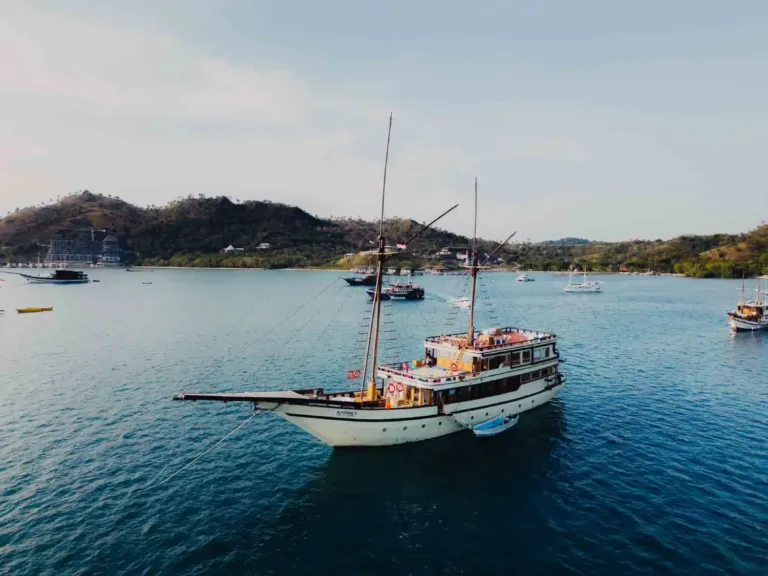
 Papiton Allo
 Semesta Voyages
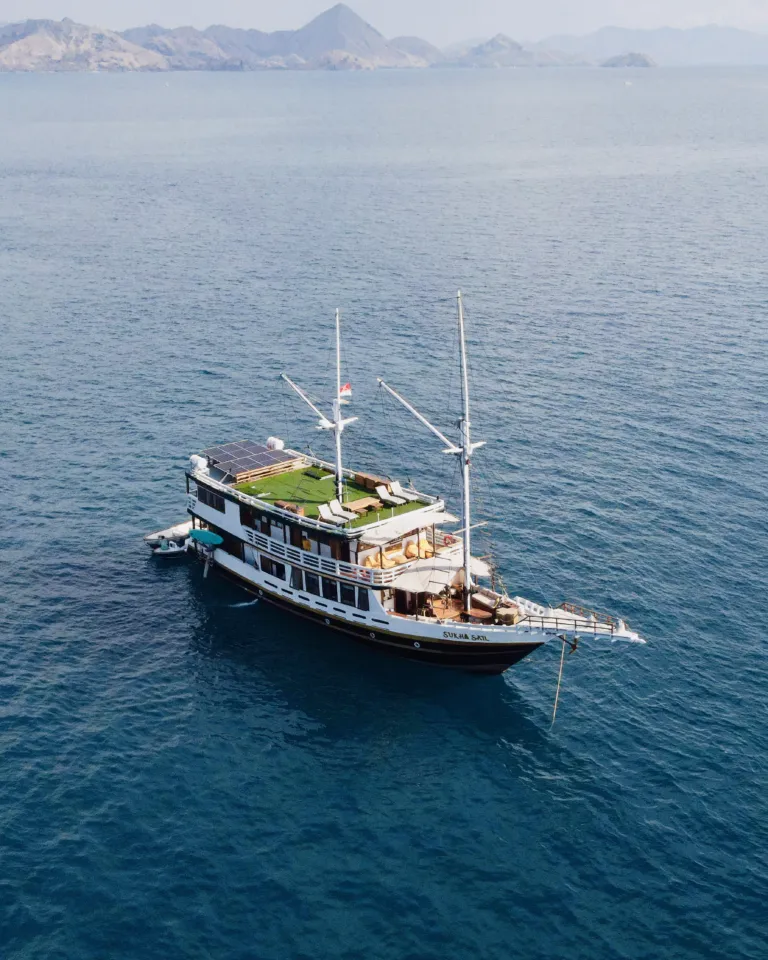
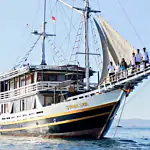 Sukha Sail 1