
Malaria in Flores is a question every traveller to Komodo should ask before the trip, not after it. The island of Flores, with the harbour town of Labuan Bajo on its western tip, lies in the eastern half of Indonesia, where health agencies still list a risk of malaria. The risk can be managed with good advice, the right medicine where it is recommended and simple habits that keep mosquitoes away. This guide explains what the official sources say, why advice can differ, how to avoid bites on land and on a liveaboard, and when to see a doctor.
It is general information, not medical advice. See a doctor or a travel health clinic, ideally a month or more before your trip, for advice about your own health.
In short
- The CDC lists malaria risk in eastern Indonesia, including Labuan Bajo and the Komodo Islands.
- It advises travellers to those areas to take prescription medicine to prevent malaria; ask your doctor.
- Avoid bites with repellent, long sleeves and air-conditioned rooms, especially from dusk.
- A fever during or after the trip, even months later, needs a doctor and a blood test.
Malaria in Flores: what the CDC says
The US Centers for Disease Control and Prevention (CDC) lists malaria risk in all areas of eastern Indonesia, naming the provinces of Maluku, North Maluku, East Nusa Tenggara, Papua and West Papua, and including the town of Labuan Bajo and the Komodo Islands. Flores is part of East Nusa Tenggara, so the whole of a typical Komodo trip falls within that area.
The same page lists places in Indonesia with no malaria transmission, such as Jakarta, Ubud, the resort areas of Bali and Java and the Gili Islands. That matters if your trip combines Bali and Komodo: the advice for the two parts of your journey may differ, and your doctor will want to know your whole route.
For travellers going to areas with risk, the CDC advises taking prescription medicine to prevent malaria. Its page was last updated in August 2026, but advice changes, so always check the current version, or the travel health service of your own country, before you go.
Do you need malaria tablets for Komodo?
That is a question for your doctor, who will weigh the official advice, your route, the length of your stay and your own health. The CDC lists four options for preventing malaria in Indonesia: atovaquone-proguanil, doxycycline, mefloquine and tafenoquine. Each has its own schedule and possible side effects, and not every medicine suits every traveller.
Timing matters. Some of these medicines must be started days before you travel, and all of them are taken for a period after you leave the risk area, so see your doctor early rather than in the last week before your flight. Bring enough for the whole course, keep the tablets in your hand luggage and take them exactly as prescribed, even after you are home.
Medicine lowers the risk, but no medicine is fully protective, and none of them prevents other mosquito-borne diseases. Avoiding bites is just as important, whatever your doctor advises about tablets.
Tell your doctor about any other medicines you take, any health conditions, and whether you are pregnant or planning a pregnancy, because these affect the choice. Ask what to do if you miss a dose or feel side effects on the boat, where there is no pharmacy, and keep the leaflet with the tablets. If you are travelling as a family, each person may need a different medicine or dose, so plan the whole group’s advice together.
Why health advice can differ
You may hear different advice from different sources, and there are good reasons for that. Indonesia has made real progress against malaria and aims to be certified malaria-free by 2030, according to the World Health Organization. The country certifies its districts one by one when local transmission has been stopped.
In East Nusa Tenggara, the Ministry of Health has named the city of Kupang and the regencies of Manggarai and East Manggarai among the districts that have reached elimination, according to a ministry release. Manggarai lies next to West Manggarai, the regency of Labuan Bajo. At the same time, the CDC still lists the whole province, including Labuan Bajo and Komodo, as an area with risk.
Health services in different countries also weigh the same data differently, especially for short trips. That is why a travel health clinic, which knows your route and your health, is the right place to decide. Tell them exactly where you are going, including any nights in Labuan Bajo and days on Flores.
How malaria spreads
Malaria is caused by a parasite carried by Anopheles mosquitoes. According to the CDC, most people get malaria from the bite of an infected mosquito, and the disease does not spread from person to person like a cold or the flu. The CDC advises avoiding places with many mosquitoes, especially in the late evening and at night.
Malaria can be a serious illness. The CDC describes early symptoms such as fever, chills, headache, muscle aches and tiredness, sometimes with nausea, vomiting or diarrhoea, and warns that it can become deadly if it is not diagnosed and treated quickly. It can be treated and cured with the right medicine, which is why a fast diagnosis matters so much.
Dengue and other mosquito-borne diseases
Malaria is not the only reason to avoid bites. Dengue, a viral illness spread by mosquitoes, occurs across Indonesia, including in towns, and there is no tablet that prevents it. The mosquitoes that carry dengue also bite during the day, so protection matters from morning to night, not only after sunset.
The CDC also describes Japanese encephalitis, a rarer disease spread by mosquitoes in rural Asia. It recommends the vaccine for longer stays and frequent travellers, and suggests considering it for shorter trips with rural visits, camping or nights without screens, nets or air conditioning. Your clinic can tell you whether it applies to your plans.
Avoiding mosquito bites
The best protection is not to be bitten. On its Indonesia page, the CDC recommends these simple measures:
- Cover your skin with long sleeves, long trousers and a hat, especially from dusk.
- Use an insect repellent, such as one with 20 percent or more DEET, and reapply it after swimming.
- Treat clothing and gear with permethrin, but never put permethrin on your skin.
- Sleep in air-conditioned or screened rooms, and use a bed net if you sleep outdoors.
Put sunscreen on first and repellent on top. Light-coloured clothes make it easier to see mosquitoes, and a small travel fan helps too, because mosquitoes struggle to fly in a breeze.
Repellent washes off in the sea, so reapply it after the last swim of the day, especially before the sunset stops. Bring enough for the whole trip, because there are no shops among the islands, and keep a small bottle in your day bag for the beach and the evening on deck. If you are unsure which product to choose, especially for children, ask a pharmacist before you travel.
Mosquitoes on a liveaboard
A boat is one of the easier places to avoid bites. Away from land, a breeze usually blows across the deck and there are fewer mosquitoes than in town. Every boat on this site has air-conditioned cabins, so at night you can sleep with the door closed and the air conditioning on, which keeps mosquitoes out.
The moments to be careful are close to land around dusk: the sunset at Kalong Island, where the boats anchor near the mangroves to watch the flying foxes, and beach dinners or evening walks on some itineraries. Put on repellent and long sleeves before those stops, and keep a small bottle of repellent in your day bag.
Inside the boat, keep your cabin door closed in the evening, and do not leave windows or hatches open with the lights on, which attracts insects. If you see a mosquito in your cabin, ask the crew for help before you go to sleep. On most nights at anchor, a closed, air-conditioned cabin is one of the best places to avoid bites in the whole of Flores.
If you like the idea of a night on deck under the stars, ask about it and use repellent, or spend a few hours outside and sleep in your cabin. Our guide to sleeping on deck has more tips for a comfortable night outside.

In Labuan Bajo and on land
Most travellers spend a night or two in Labuan Bajo before or after the boat. Choose a hotel with air conditioning or screens on the windows, keep doors and windows closed in the evening, and use repellent when you go out for dinner, especially at restaurants near the water or in gardens.
The sunset is the highlight of an evening in town, and it is also when mosquitoes become active. Put on repellent and a light long-sleeved shirt before you head out to watch it, and carry the repellent with you to reapply later in the evening. These small habits cost nothing and protect you against malaria and dengue alike.
If you plan to travel further into Flores, to villages, waterfalls or the mountains, you will spend more time in rural areas, where the advice on bites and medicine matters even more. Mention these plans to your clinic. Our guide to what happens if you get sick on a liveaboard covers the other health questions of a boat trip.
Travelling further into Flores
Many travellers add a few days on Flores itself after the boat: the mountain village of Wae Rebo, the cool town of Ruteng, or the long road east across the island. Flores is a beautiful and welcoming island, and it is also largely rural, with villages, rice fields, forests and rivers, the kind of places where mosquitoes are more common than on a boat at sea.
The CDC’s advice covers all of East Nusa Tenggara, so it applies across Flores, not only to Labuan Bajo and the Komodo Islands. If you plan to travel overland, tell your clinic, because a longer stay in rural areas may change their advice about medicine and vaccines. Pack enough repellent for the whole journey, and choose rooms with air conditioning, screens or a bed net wherever you stay.
Symptoms: when to see a doctor
Take any fever seriously, during your trip and after it. The CDC advises seeing a healthcare provider as soon as possible if you have symptoms of malaria and have travelled in the last year to or from an area where malaria occurs. Only a doctor can diagnose malaria, with a test on a small sample of blood.
Always tell the doctor that you have been in eastern Indonesia, even if it was months ago, because the symptoms can look like the flu. If you fall ill during the trip, tell the crew at once: they can bring you back to Labuan Bajo, which has a private hospital, Siloam Hospitals Labuan Bajo, and a public one, the Komodo General Hospital (RSUD Komodo).
Travel insurance with medical cover and evacuation is essential for a trip to a remote area, and it is not included in the price of a boat trip. Keep the emergency number of your insurer on your phone and on paper.
Back home, keep a note of the dates of your trip and the places you visited, and of any medicine you took to prevent malaria. If you feel unwell in the weeks and months after you return, this makes it easier for your doctor to think of malaria and order the right test quickly. Fever after a trip to the tropics is common and usually not serious, but it should never be ignored.

Children and pregnancy
Children need the same protection as adults, adapted to their age. Ask your doctor about medicine and the right repellent for each child, dress them in light long sleeves in the evening and make sure they sleep in an air-conditioned cabin. Our family guide to Komodo with kids has more tips for a trip with children.
Malaria can be especially serious during pregnancy, and some preventive medicines are not suitable for pregnant women. If you are pregnant or planning a pregnancy, talk to your doctor before you book a trip to an area with malaria risk, so you can decide together what is right for you.
A checklist before you go
- See a doctor or travel clinic a month or more before you travel, with your full route.
- If medicine is advised, bring the whole course and know when to start and stop.
- Pack repellent, light long sleeves and trousers for the evenings.
- Choose air-conditioned or screened rooms in town.
- Take travel insurance with medical cover and evacuation.
- Remember: a fever after the trip needs a doctor, and a mention of your travel.
Our Komodo packing list includes the clothes and the small first-aid kit to bring on board.
Our view
Malaria in Flores is a real consideration, but it is not a reason to stay away from one of the most beautiful places in Indonesia. Get advice early, follow it, protect yourself from bites from dusk onwards and take any fever seriously, during the trip and after it. With those simple steps, you can enjoy Komodo National Park, a UNESCO World Heritage Site since 1991, with peace of mind.
Ask your doctor early, cover up at dusk and never ignore a fever: three habits that keep a Komodo trip a happy memory.
Planning your trip? Every boat on our Komodo liveaboard page has air-conditioned cabins, and you can ask us about any boat before you book.
Questions
Is there malaria in Flores?
The CDC lists malaria risk in eastern Indonesia, including East Nusa Tenggara, the town of Labuan Bajo and the Komodo Islands.
Do I need malaria tablets for Komodo?
The CDC advises prescription medicine for travellers to these areas. Ask your doctor, who will consider your route and your health.
Is there malaria in Bali?
The CDC lists no malaria transmission in Ubud and the resort areas of Bali, so the advice for Bali and Komodo may differ.
Are there many mosquitoes on the boats?
Usually fewer than on land, but some come out near the shore at dusk. Every boat on this site has air-conditioned cabins for the night.
When do malaria mosquitoes bite?
The CDC advises avoiding mosquito-heavy places especially in the late evening and at night. Dengue mosquitoes also bite during the day.
What should I do if I get a fever after the trip?
See a doctor as soon as possible and say that you have been in eastern Indonesia. Malaria is diagnosed with a blood test.
Which insect repellent should I bring?
The CDC mentions repellents with 20 percent or more DEET. Ask a pharmacist for the right product for you and for children.
Is there malaria in Labuan Bajo?
The CDC includes the town of Labuan Bajo and the Komodo Islands in its list of areas with malaria risk in eastern Indonesia.
Do I need vaccines for a Komodo trip?
Ask a travel health clinic. The CDC recommends hepatitis A and typhoid vaccines for most travellers to Indonesia, and Japanese encephalitis for some trips.
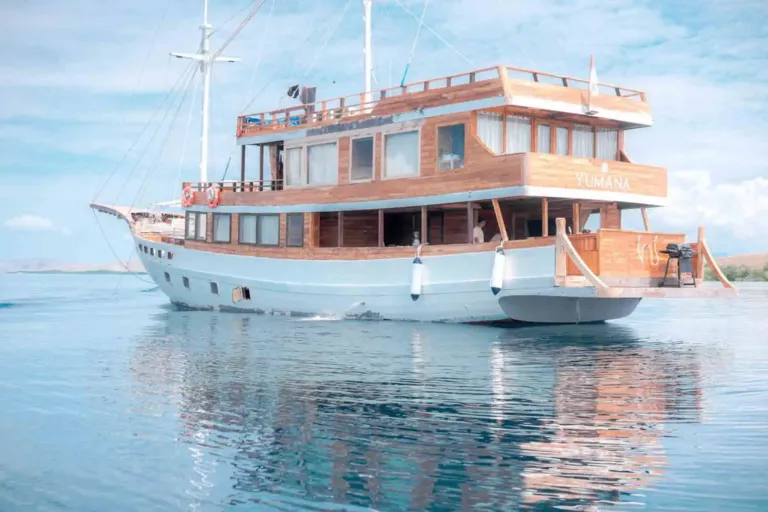

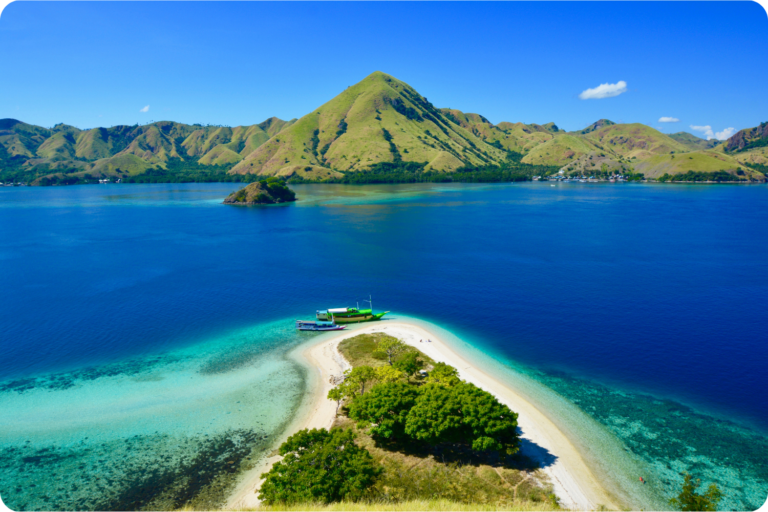
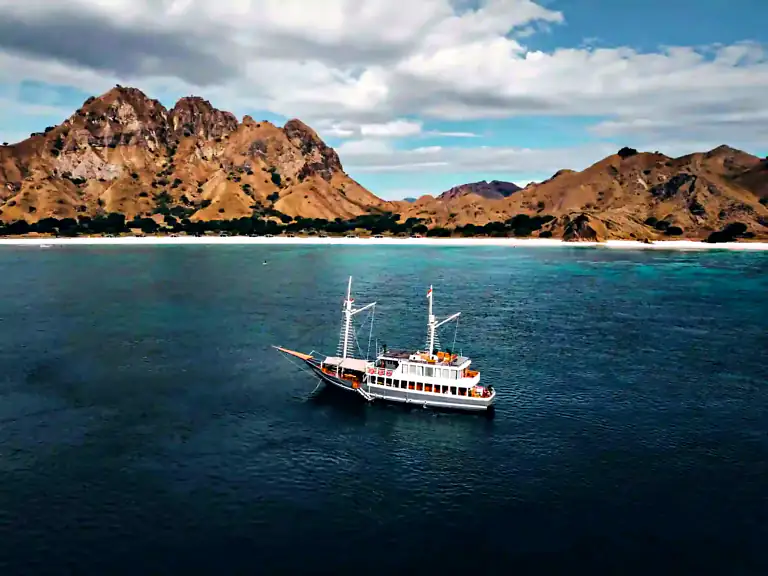
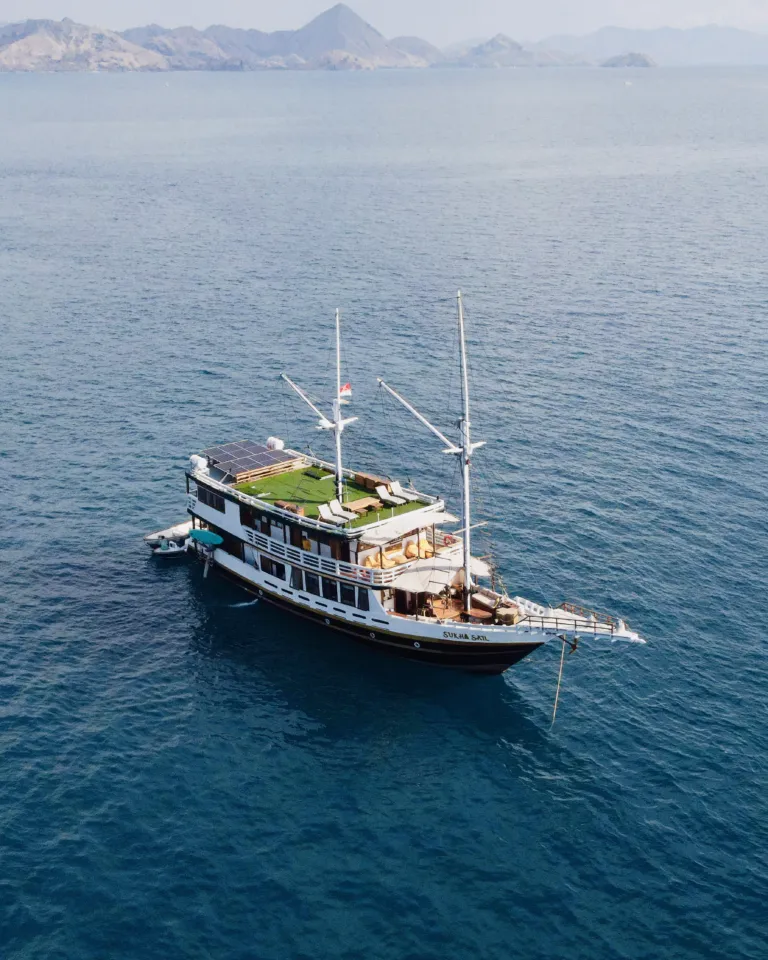
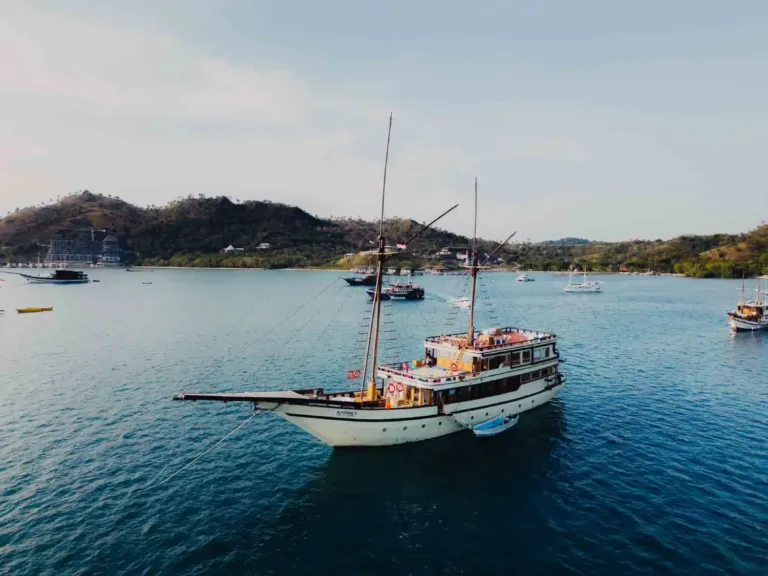
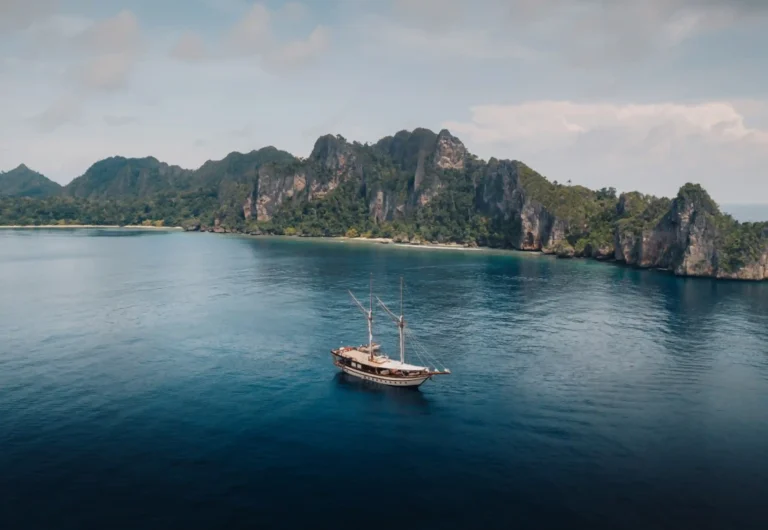
 Elbark Cruise
 Papiton Allo
 Semesta Voyages
 Sukha Sail 1