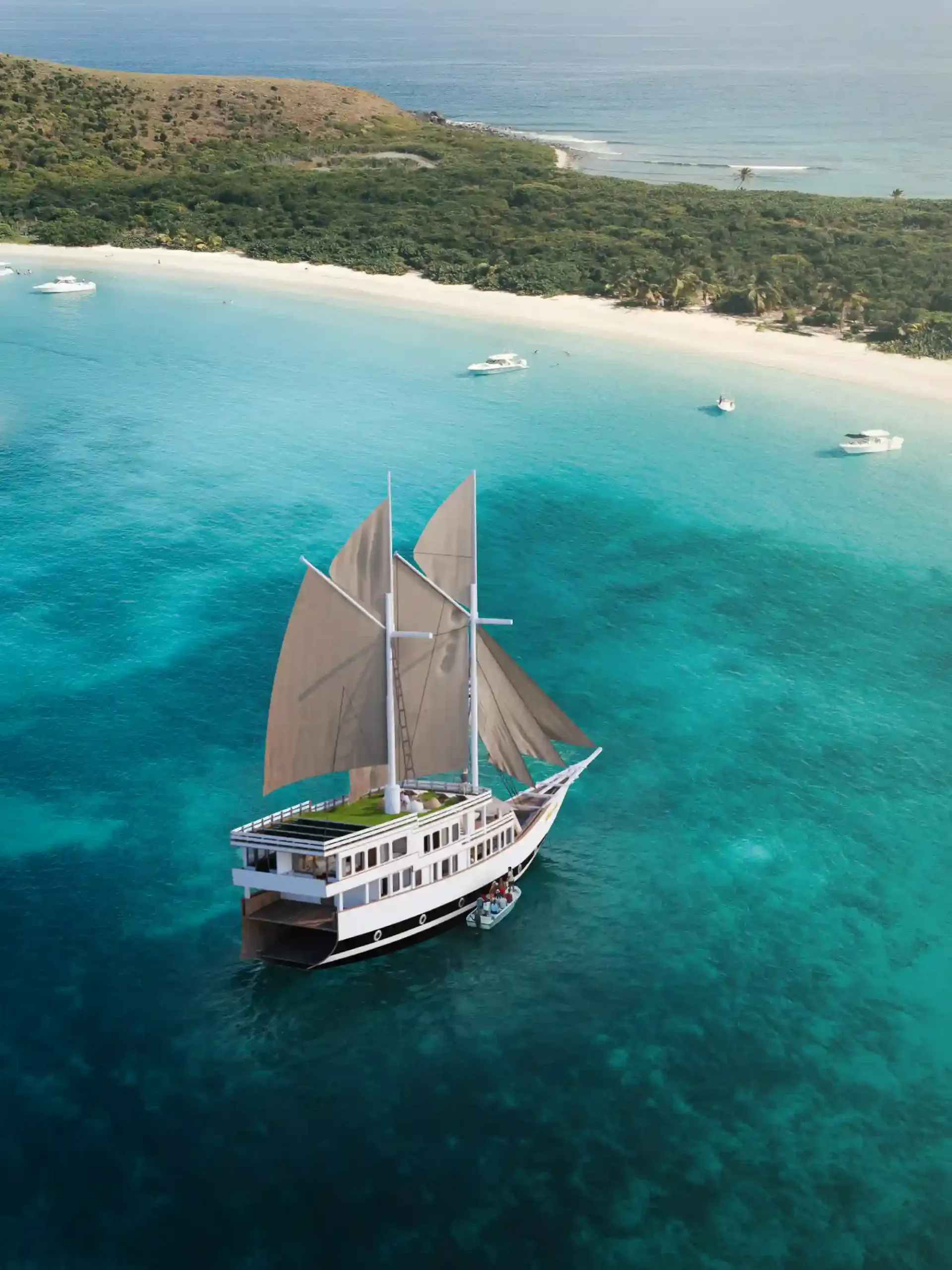
The Komodo wet season runs from December to March, and it has a reputation it does not fully deserve. Yes, there is more rain, the sea changes more often and fewer boats sail. But the islands turn a deep green, the trails are quiet, and on many days the sun shines between the showers. For the right traveller, it is a beautiful time to visit. This guide explains what the wet season is really like, month by month, the honest pros and cons, how many boats sail and how to plan a trip that works whatever the weather.
In short
- The Komodo wet season runs from December to March; the dry season from April to November.
- Expect showers, green hills, quieter trails and seas that change more often.
- On this site, December and March have many departures; January and February very few.
- Choose a longer trip and flexible plans, and take travel insurance.
What is the Komodo wet season?
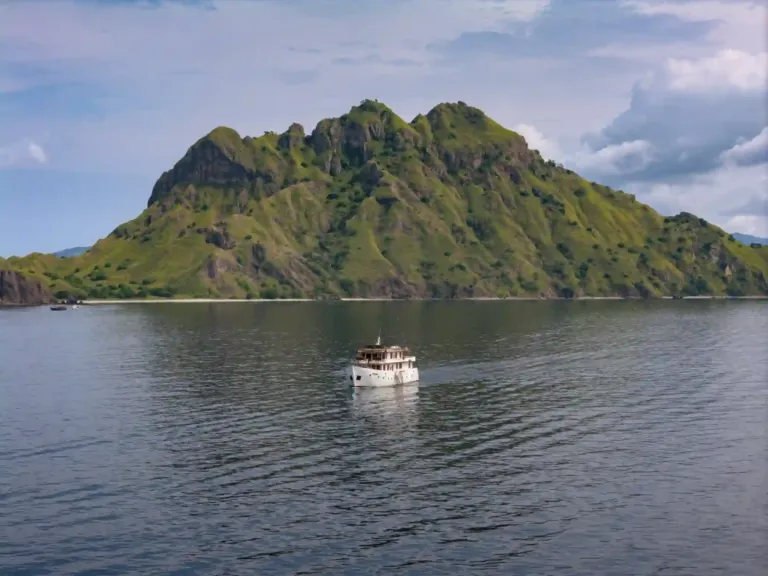
Komodo National Park has two seasons. The dry season, from April to November, brings clear skies, dry trails and generally calmer seas, and the hills fade to golden brown from about September. The wet season, from December to March, brings the rain back: clouds build up, heavy showers come and go, and within weeks the dry grass on the hills turns green.
It is warm all year, because the park lies close to the equator, and the sun still rises at around six in the morning and sets at around six in the evening. The wet season is not a time of constant rain, but of changeable weather: a bright morning, a downpour in the afternoon and a clear, cool evening are a common pattern.
The rains arrive with the west monsoon, the seasonal wind that brings moist air across Indonesia at the turn of the year. When it fades in March and April, the drier east winds return, the skies clear and the long dry season begins again. That rhythm shapes everything on the water, from the routes the boats take to the number of departures each month.
| Wet season (December to March) | Dry season (April to November) | |
|---|---|---|
| Weather | Showers, changeable days | Clear skies on most days |
| Sea | Changes more often, rougher on open crossings | Generally calmer |
| Landscape | Green hills | Golden brown hills from about September |
| Crowds | Quieter, except over the year-end holidays | Busiest in July and August |
| Departures on this site | Many in December and March, very few in January and February | Most boats sail |
The wet season, month by month
December opens the wet season. The rains return, the hills begin to turn green, and the first half of the month is quiet. The second half is one of the busiest times of the year, with the Christmas and New Year holidays. On this site, 28 boats have sharing departures in December 2026, with more than 180 departures over the month.
January and February are the heart of the wet season, with the most rain and the most changeable seas. They are also the quietest months on the water: only a few boats sail in the first days of January, and most boats on this site have no sharing departures in January and February. If you want to travel in these months, a private charter on a boat that is free may be the only option, and the weather decides the route.
March is the end of the wet season and the start of the new sailing season. The hills are at their greenest, the rain eases towards the end of the month, and the boats return: on this site, 19 boats have sharing departures in March 2027, with more than 140 departures. Our guide to Komodo in December covers the first month of the season in detail.

The pros of the wet season
- A green Komodo. Padar, Rinca and Komodo look completely different, lush and green instead of dry and golden.
- Fewer people. Outside the year-end holidays, the trails and viewpoints are much quieter than in July and August.
- Dramatic skies. Clouds, rainbows and soft light after a shower make for beautiful photos.
- Cooler evenings. The air cools down after the afternoon rain, perfect for dinner on deck.
- A choice of cabins. In early December and in March, it is often easier to find the cabin you want.
- A fresh landscape for return visitors. If you have seen Komodo in the dry season, the green season feels like a new place.
The cons of the wet season
- Rain. Heavy showers and some grey days are part of the deal.
- Changing seas. The open crossings can be rough, and stops may change or be skipped.
- Fewer departures. Very few boats on this site sail in January and February.
- Slippery trails. The steps and the dirt path on Padar can be slippery after rain.
- Less clear water near the shore after heavy rain, at some snorkelling sites.
- Flight delays are more likely in bad weather.
- Less sunbathing. The deck is often more pleasant in the shade than in the open.
The sea and the boats in the wet season
For a boat trip, the sea matters more than the rain. In the wet season, the wind and the waves change more often, and the open crossings between the islands can be bumpy on some days. Inside the bays and in the lee of the islands, the water is often calm, and the anchorages for the night are chosen for shelter.
The captain and the guide watch the weather closely and decide when to sail and when to wait. On a rough day, they may change the order of the stops, spend longer in a calm bay or skip a stop that is too exposed. In the wet season, some boats pause and others change their routes with the weather, so check the departure list of each boat before you plan. A larger boat generally moves less in the waves, and a cabin low down and near the middle of the boat moves the least.
The short tender rides to the beaches and the snorkelling sites can be bumpy and wet on a windy day. Keep your phone and camera in a dry bag, hold on with one hand and follow the crew’s instructions when you climb in and out. If you are prone to seasickness, take your medicine before the longer crossings and stay on deck in the fresh air.
What you can still see and do
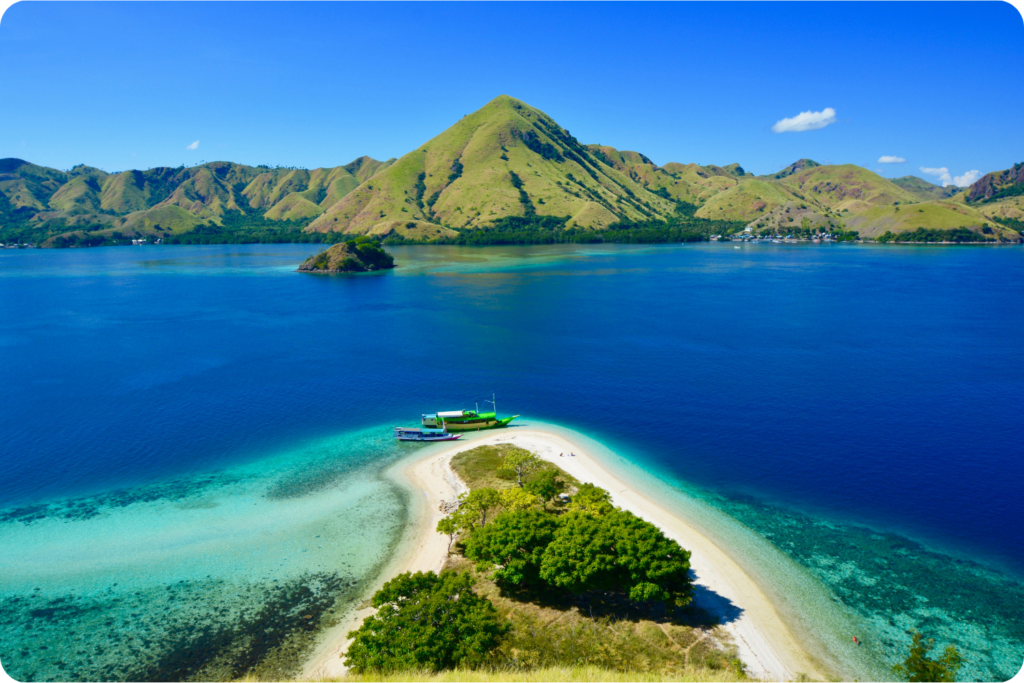
Almost everything. The ranger walks with the Komodo dragons continue through the wet season on Komodo and Rinca, against a green backdrop that few visitors see. The climb on Padar is still possible, although the path can be slippery after rain, and the view of the three bays is at its greenest. Pink Beach, the sandbars and the snorkelling sites remain on the route, with the reefs as colourful as ever.
Manta Point is still a highlight, although sightings are never guaranteed in any season, and the guide chooses the time and the place depending on the current. The flying foxes still leave Kalong Island at dusk, and on clear nights the stars are bright over the anchorage. What changes is the order and the timing: the crew plans each day around the weather, and a little flexibility on your part makes the trip far more relaxed.
On a longer trip, the extra day adds quieter stops such as Gili Lawa, with hills that glow at sunrise and sunset, Siaba, where green turtles are often seen, and Kanawa, with its white beach and reef. In the wet season, those extra hours are worth even more, because they give the crew the freedom to wait for the right weather at each place.
Photography in the green season
Many photographers prefer the wet season. The green hills against a turquoise sea, the towering clouds, the rainbows after a shower and the soft, washed light make some of the most striking pictures of Komodo, and the classic view from Padar looks completely different from the golden version on most postcards.
Protect your gear: keep your camera in a dry bag on the tender, carry a small cloth for raindrops on the lens and give your camera a few minutes to adjust when you come out of the air-conditioned cabin, or the lens will fog. Watch the sky: the best light often comes just after a shower passes. Our Komodo photography guide covers the spots and the light in every season.
The Lombok route in the wet season
Three boats on this site, Alfathran 3, Lady Grace and Sukha Sail 1, sail between Lombok and Labuan Bajo in four days and three nights, along the north coast of Sumbawa. In the wet season, these open crossings can be rougher than the waters inside the park, and the crew adjusts the stops with the weather, so check the departures of each boat for the months you have in mind.
The route has one big draw at this time of year: in Saleh Bay, where the boats look for whale sharks early in the morning, researchers have recorded whale sharks all year, with the most sightings in March and April, according to the Important Shark and Ray Areas assessment for the bay. Sightings are never guaranteed, but the end of the wet season is a good time to try.
How to plan a wet season trip
Choose December or March if you want the green season with plenty of departures, and book early for the year-end holidays. If you can, choose a trip of four days and three nights: in the wet season, a longer trip gives the crew room to move a stop to another day when the weather changes. Plan to arrive in Labuan Bajo the day before your boat leaves, and leave a buffer day before your flight home, because flights can be delayed in bad weather.
Read the cancellation terms before you pay. If a boat cannot sail because of bad weather or government rules, you can reschedule or take a 70% refund. For other reasons, you can reschedule up to 65 days before departure, and a cancellation 60 days or more before departure gets a 40% refund of what you paid. Take travel insurance that covers delays and changes. Our guide on how to book a Komodo liveaboard has the details.
Choosing a boat for the wet season
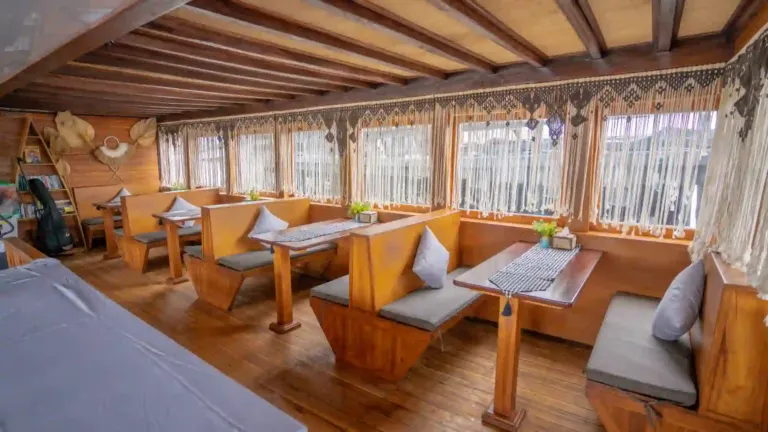
A few things matter more in the wet season than in the dry months. A boat with a covered dining area or an indoor lounge gives you a dry place to sit through a shower. A larger boat is generally more stable in the waves. And a longer trip, or a private charter with flexible plans, gives the crew more room to work around the weather.
Every boat on this site has air conditioning and ensuite bathrooms, so the cabins stay comfortable whatever the weather outside. Each boat page shows its sailing months and its live departures, so you can see at a glance which boats sail in the month you have in mind. Our guide to choosing a Komodo liveaboard covers the rest.

What to pack for the wet season
Pack as you would for any liveaboard trip, with a few additions. A light rain jacket, a dry bag for the tender rides and quick-drying clothes are the most useful. Shoes with a good grip are a must for the walks on wet trails, and a small towel and a spare T-shirt in your day bag help after a sudden shower. Leave heavy cotton and jeans at home: they take days to dry in the humid air.
The sun is still strong between the clouds, so bring reef-friendly sunscreen, a hat and sunglasses. Add insect repellent for the evenings near the mangroves, something for seasickness and a waterproof case for your phone. Our Komodo packing list has everything else.
Who should travel in the wet season?
The wet season suits travellers who are flexible, who do not mind a shower and who would rather see Komodo green and quiet than golden and busy. Photographers love the skies and the colours, couples enjoy the calm trails outside the holidays, and anyone who has already seen Komodo in the dry season gets to know a different side of it.
Families can enjoy the wet season too, especially in March, when school holidays in some countries begin and the boats are back on the water. Keep the plan simple, choose a boat with a covered area for the children to play in during a shower, and have a few games or books ready for the hours at sea.
If you have only one chance to visit, are prone to seasickness or need everything to go exactly to plan, the dry season from April to November is the safer choice. April to June and September to October are often the best balance of good weather and fewer people. Our guide to the best time for a Komodo liveaboard goes month by month.

Our view
The Komodo wet season is not a reason to stay away, but a reason to plan well. Go in December or March for the best choice of boats, choose a longer trip if you can, pack for showers and leave room for the weather to have its say. You will be rewarded with green hills, quiet trails and dramatic skies. Komodo National Park has been a UNESCO World Heritage Site since 1991, and it is beautiful in every season.
The dry season shows you Komodo’s bones. The wet season shows you its green heart.
Ready to see the green season? Compare the December and March departures on our sharing trips page, or request a private charter for your own dates.
Questions
When is the wet season in Komodo?
From December to March. The dry season runs from April to November.
Is it still hot in the wet season?
Yes. Komodo is warm all year, and the sun is strong between the clouds, so bring sunscreen and a hat in every season.
Does it rain all day in the wet season?
Rarely. Rain often comes in heavy showers that pass, with bright spells in between and clear, cool evenings.
Do boats sail in January and February?
Very few. Most boats on this site have no sharing departures in January and February and sail again from March.
Can I see the Komodo dragons in the wet season?
Yes. The ranger walks continue on Komodo and Rinca, although the trails can be slippery after rain.
Is the sea dangerous in the wet season?
It can be rough on the open crossings. The crew decides when to sail and chooses sheltered bays, and a boat that cannot sail because of the weather can be rescheduled or refunded at 70%.
What is the best month in the wet season?
Early December or March, when the hills are green, the trails are quiet and many boats still sail.
Is March a good time to visit Komodo?
Yes, for many travellers. It is the end of the wet season, the hills are at their greenest and, on this site, 19 boats have sharing departures in March 2027.
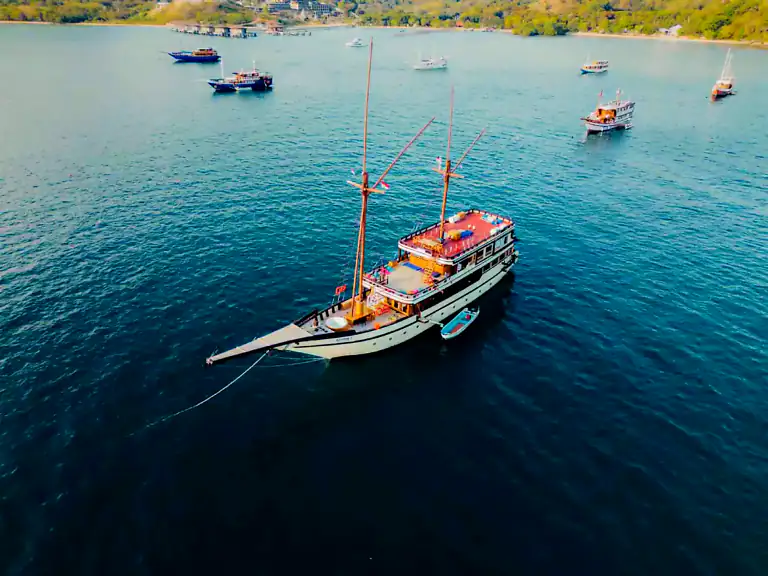
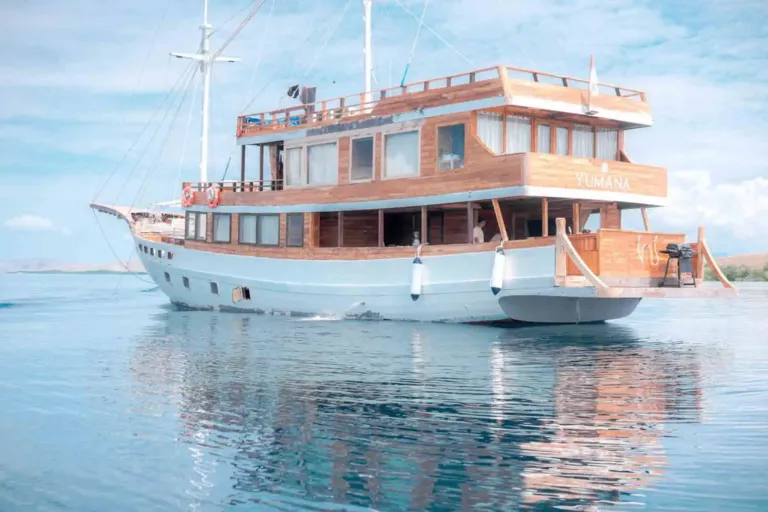
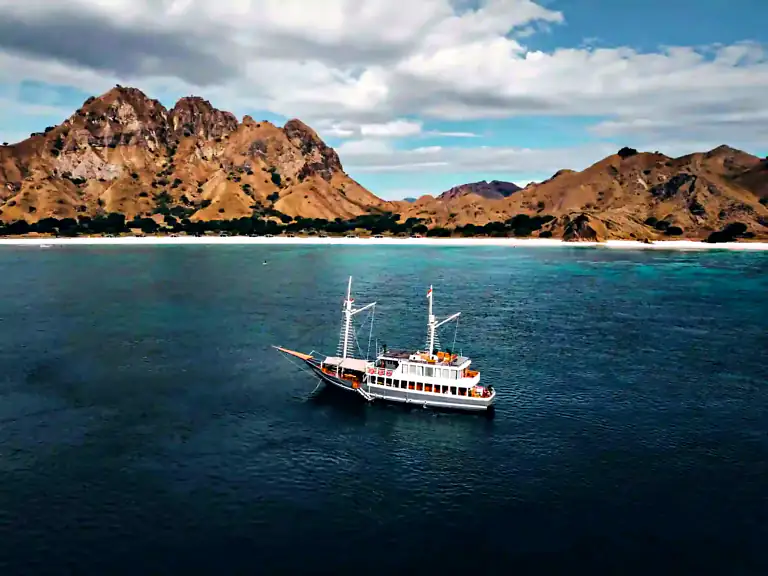
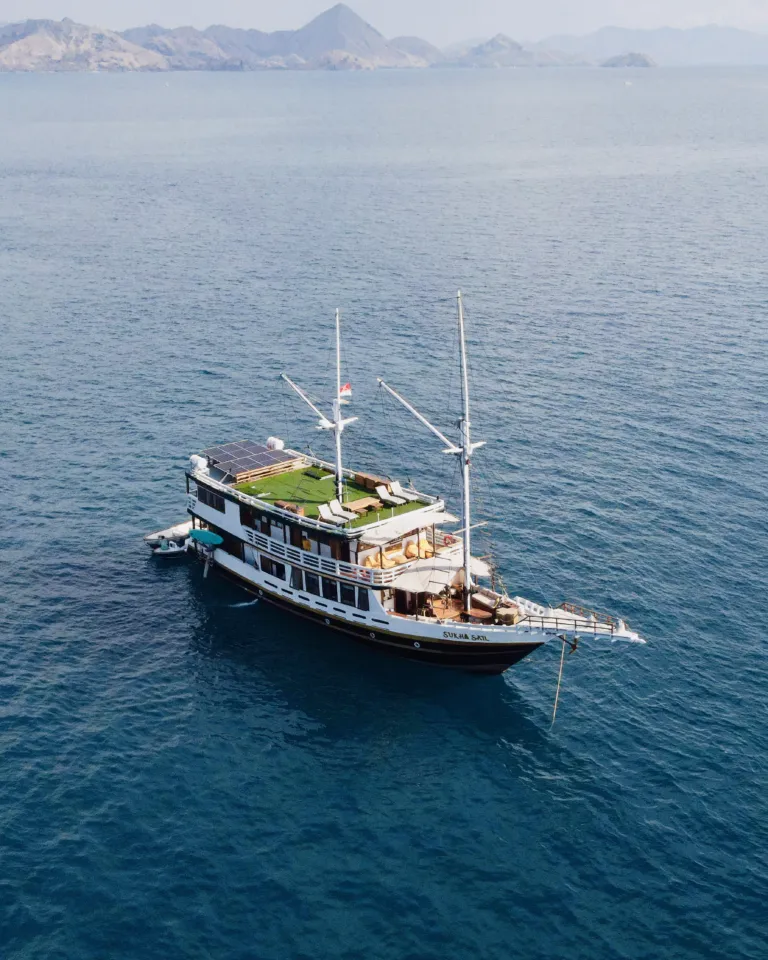
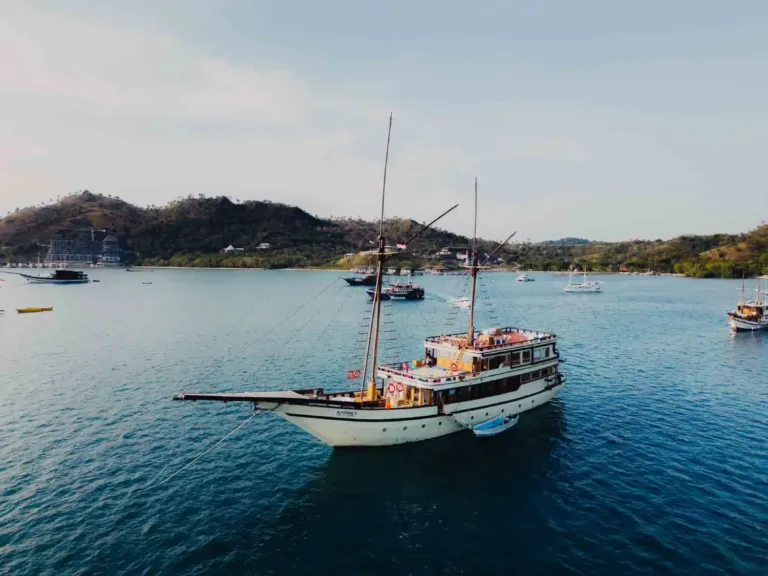
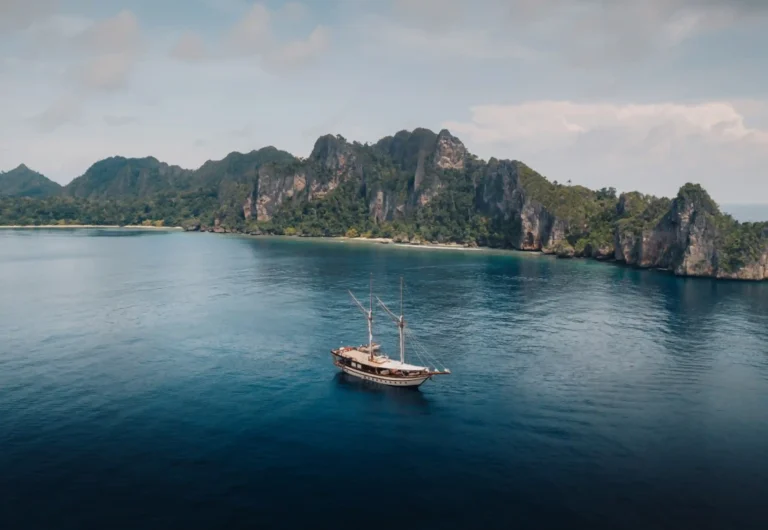
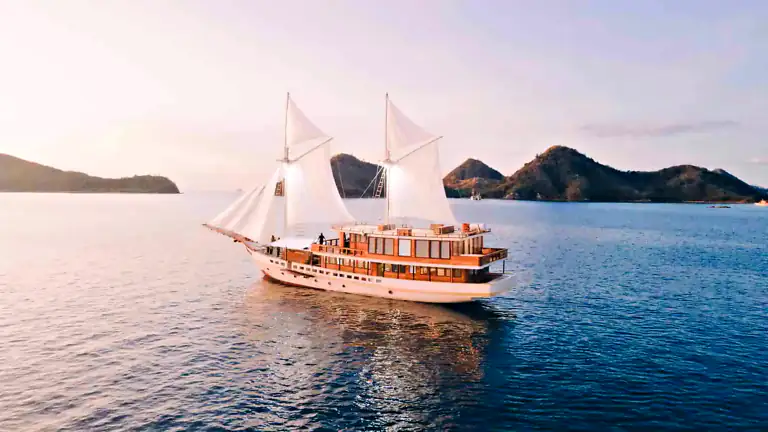
 Elbark Cruise
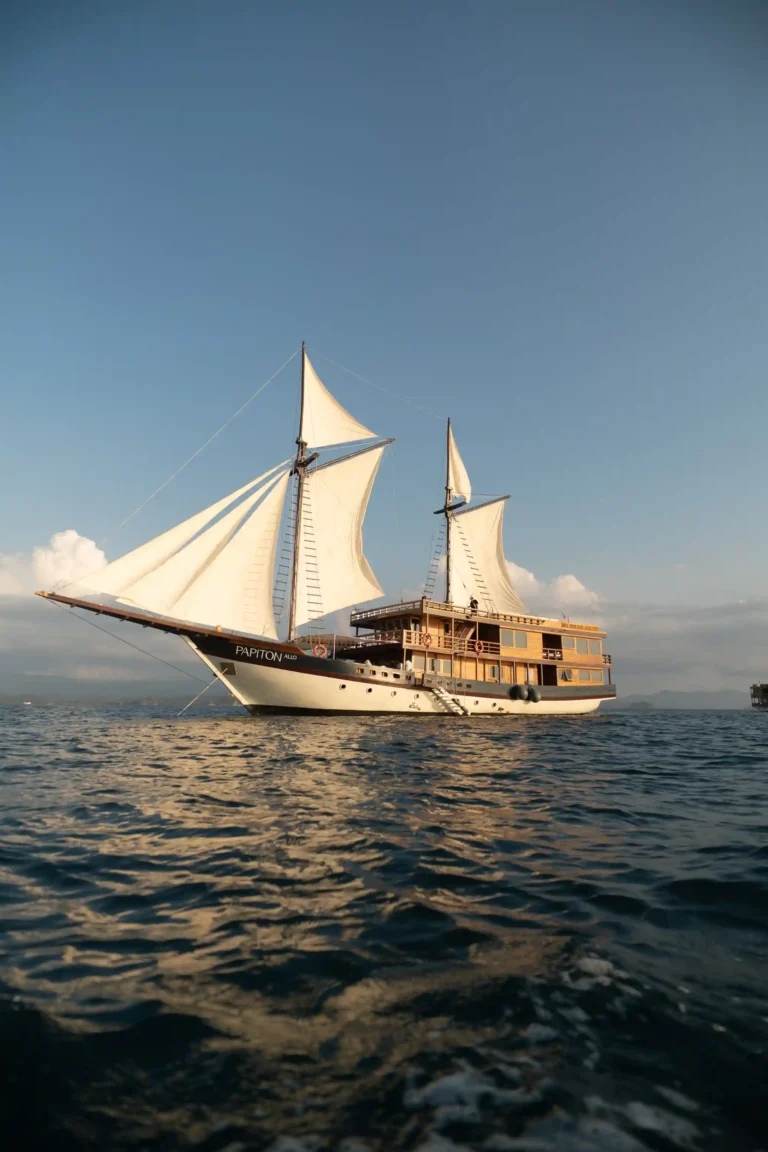
 Papiton Allo
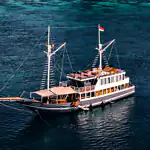 Semesta Voyages
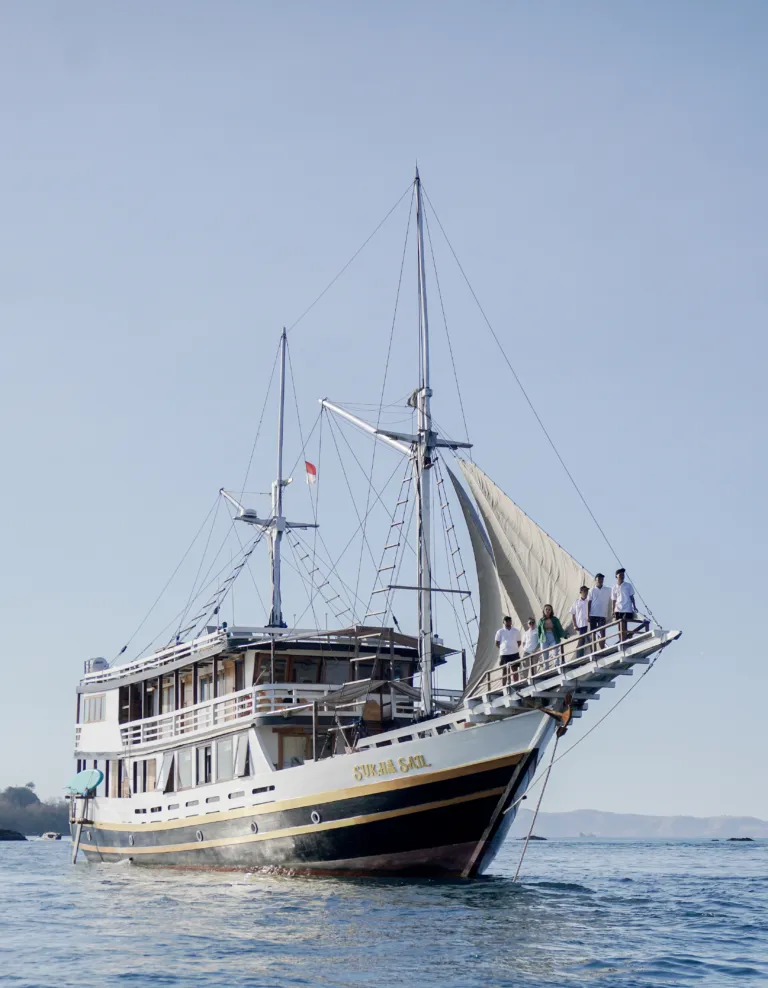
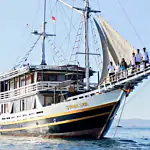 Sukha Sail 1